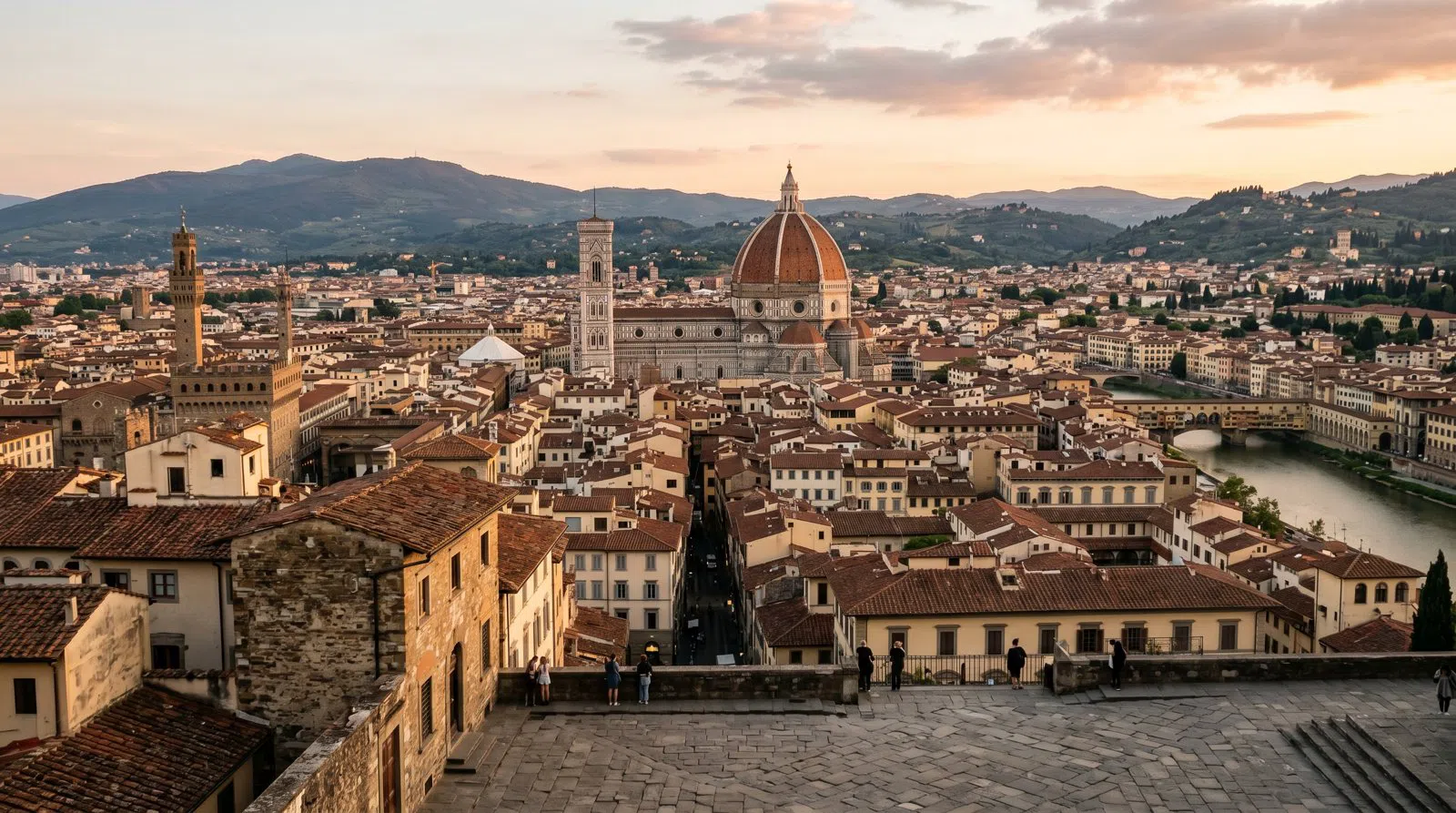
The Florence issue, October 2026
Florence
Florence is a city defined by its physical limits and its artistic density.
Plan your Florence trip
Live prices from our booking partners.
Guests & rooms
Free cancellation on many rooms. We may earn a commission when you book.
The Florence reading list
All 35 Florence stories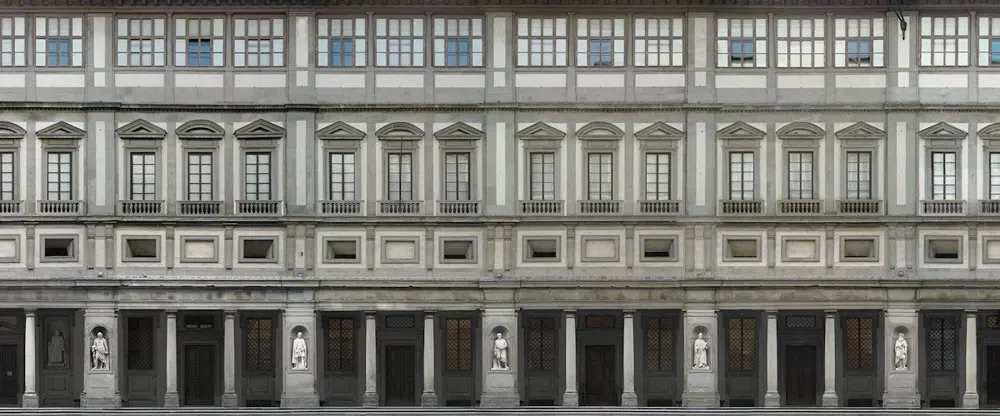
Tours and ticketsThe lead story
How to See the Uffizi in Florence Without the Crush
Florence's most-queued gallery is bearable once you know the hours it fills, the ticket tier to buy and the rooftop door that stays quiet.
Élodie Fournier
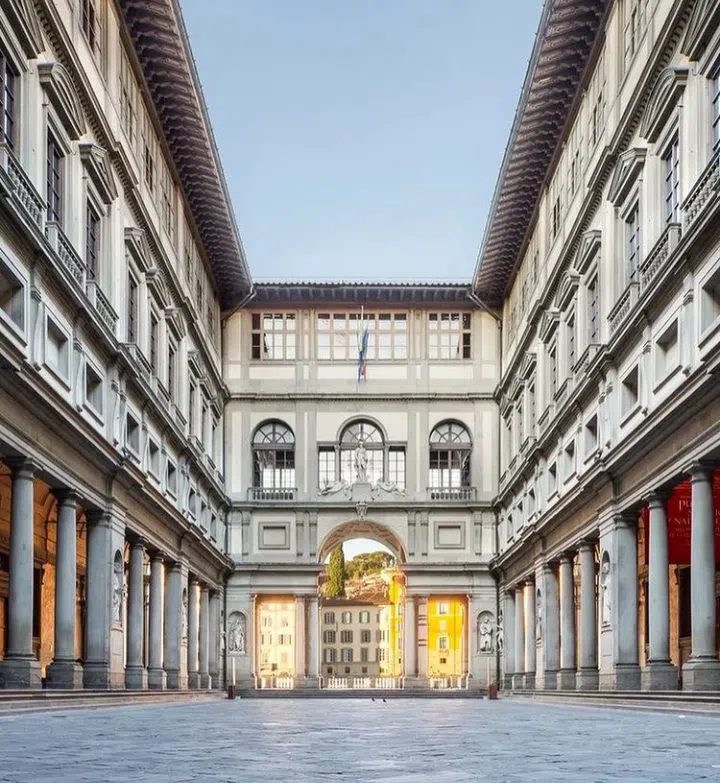
When Florence Actually Fills Up and How to Book Around It
Florence's crowds and room rates peak in the mild months, not the hot ones, and three tickets plus three fixed dates decide whether the trip works.
Élodie Fournier
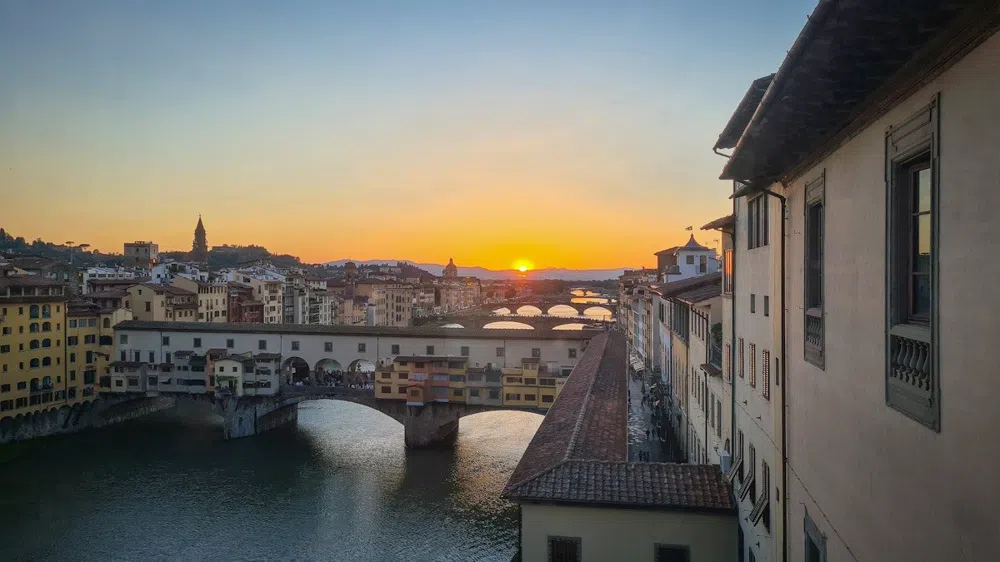
Planning Florence Around the Tickets That Won't Move
Only three Florence sights run on a fixed clock. Here is how to book those, what the passes are actually worth, and how to spend the hours in between rather than a morning in a queue.
Élodie Fournier
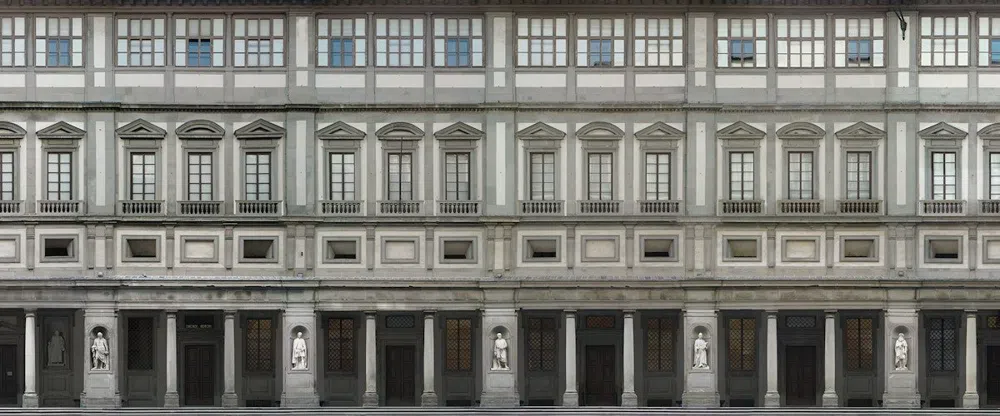
Florence in September Without the Two-Hour Queues
Almost every major sight in Florence now sells a timed slot, so whether your morning works comes down to a booking made weeks before you fly.
Élodie Fournier
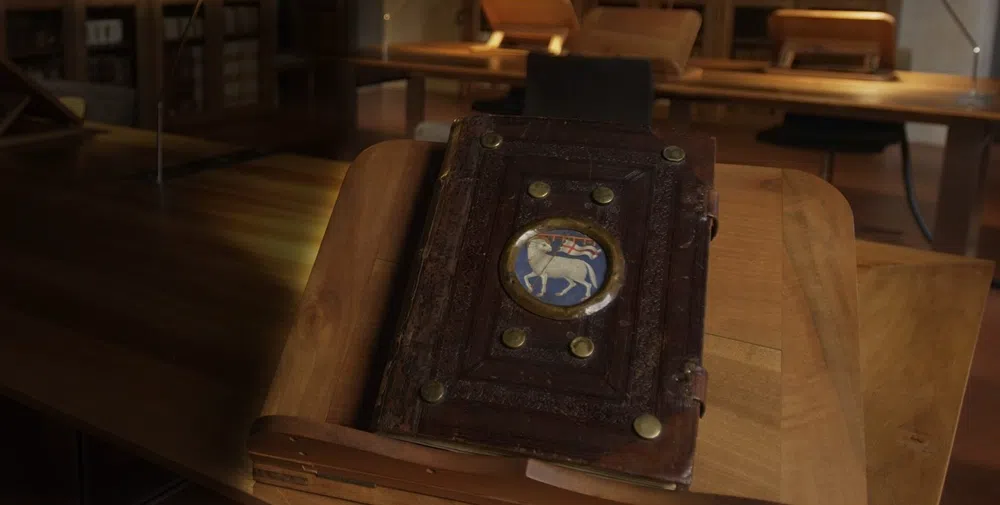
Florence in October Without Losing a Day to Queues
The centre fills up, but some hours, some days and some rooms still work. Prices, opening times and what you actually have to book for an October trip.
Élodie Fournier
More from the Florence issue
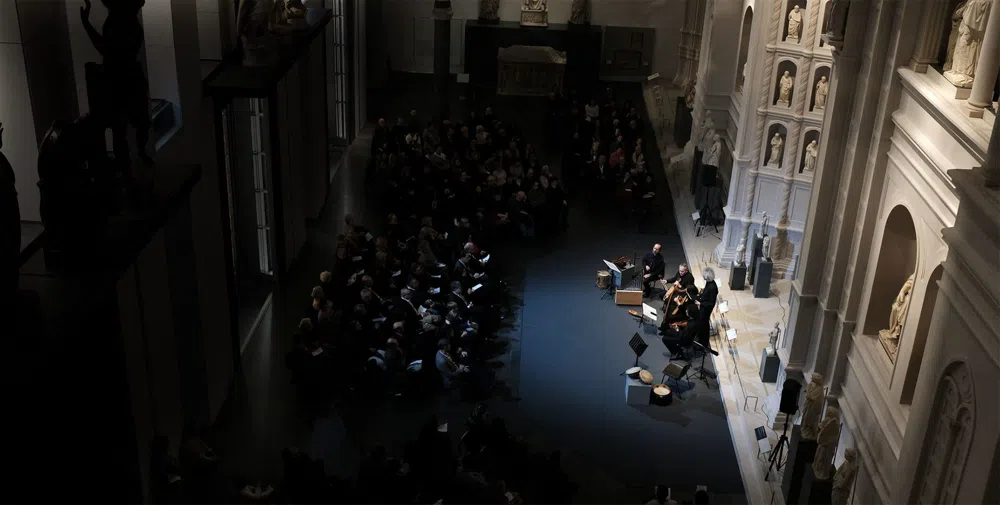
Three Days in Florence Without the Scramble
Élodie Fournier
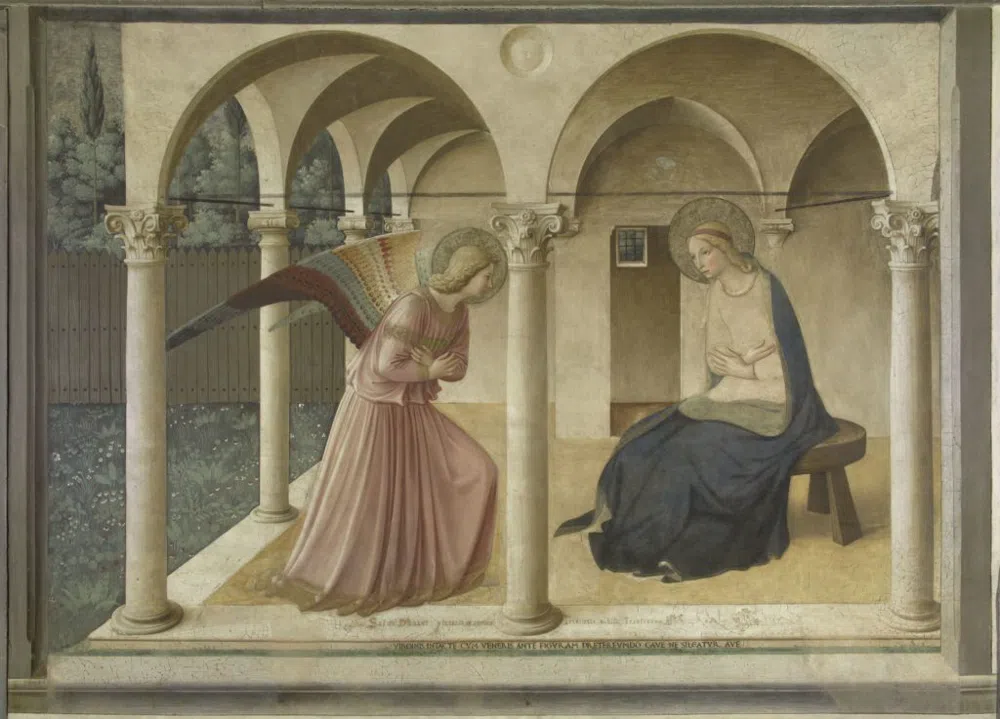
Florence's Great Art Without the Uffizi Queue
Élodie Fournier
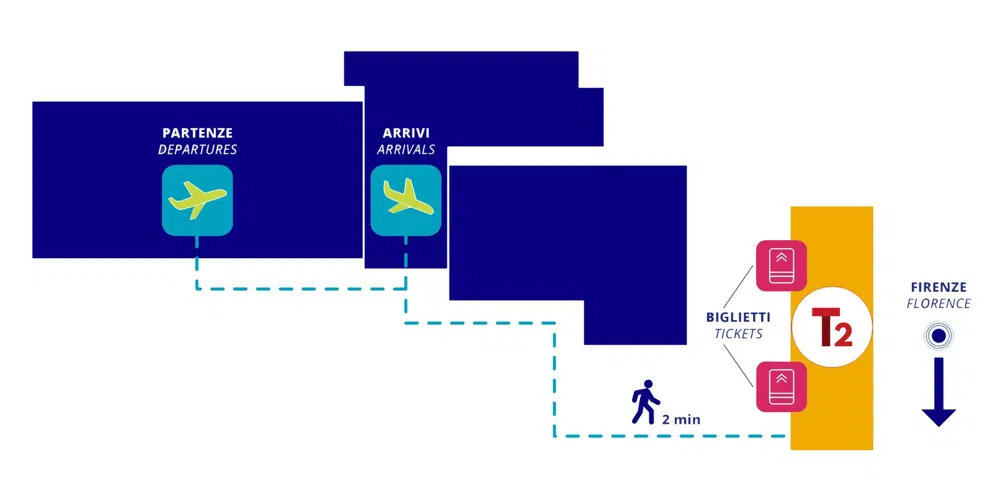
Landing at Florence Airport and Still Making Dinner
Élodie Fournier
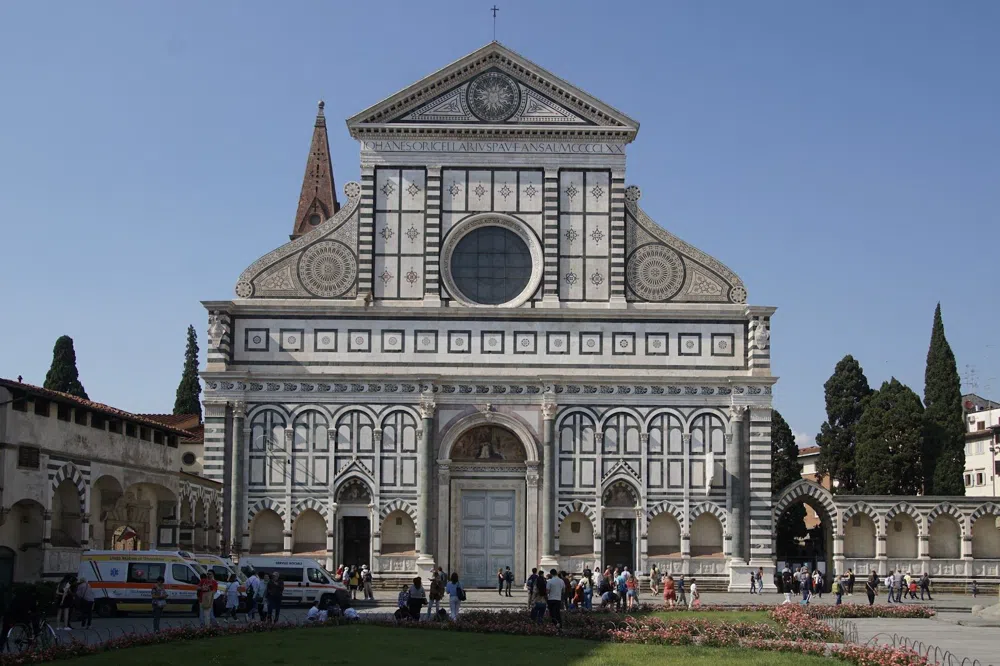
The Car-Free Way Through Florence and Out Into Tuscany
Élodie Fournier
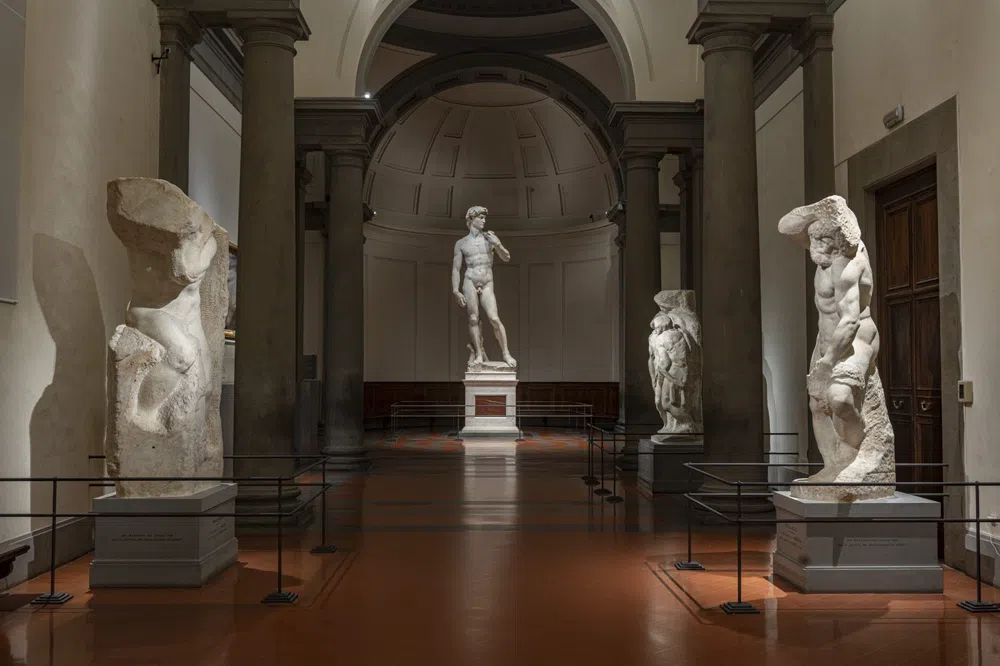
Taking Florence Slowly on a First Visit
Élodie Fournier
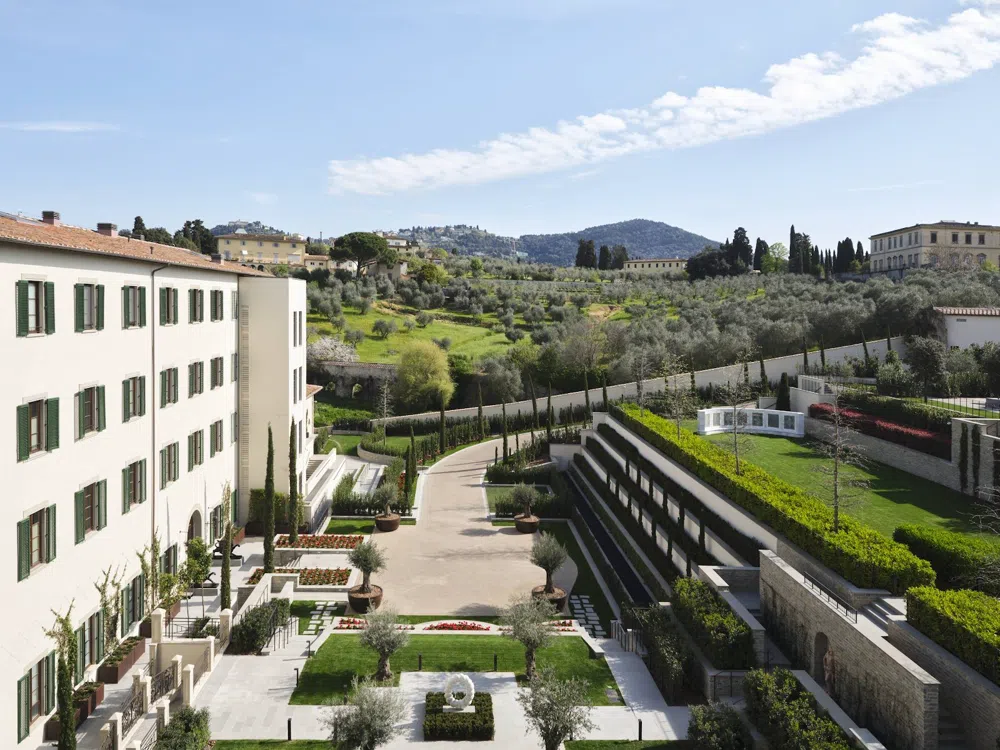
Where to Sleep in Florence When Autumn Rates Double
Élodie Fournier
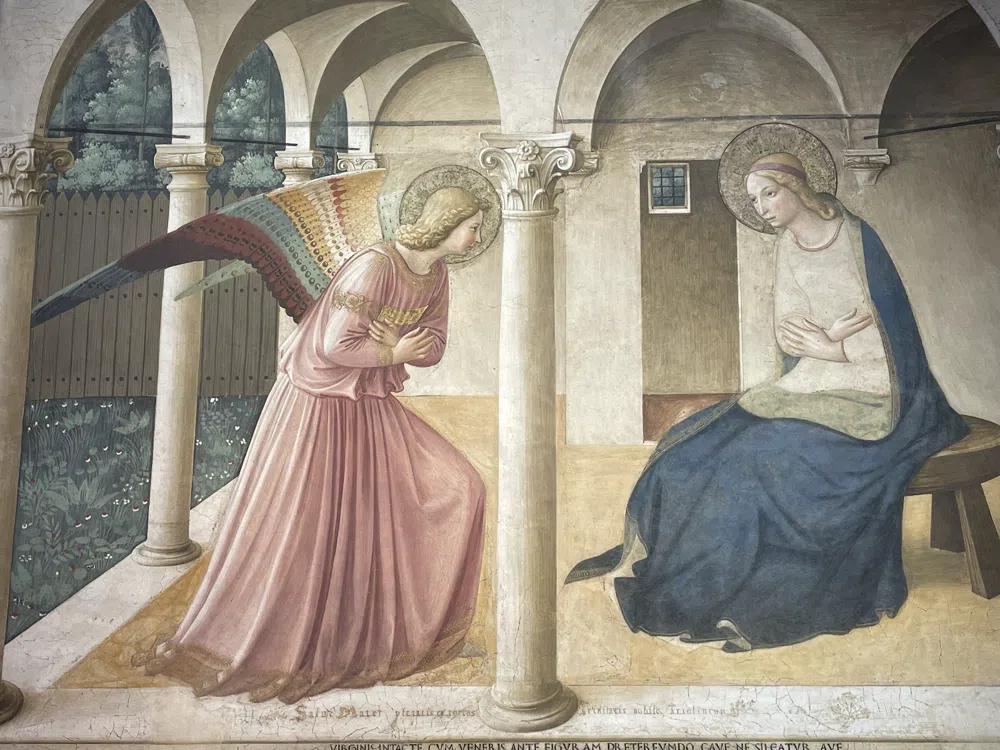
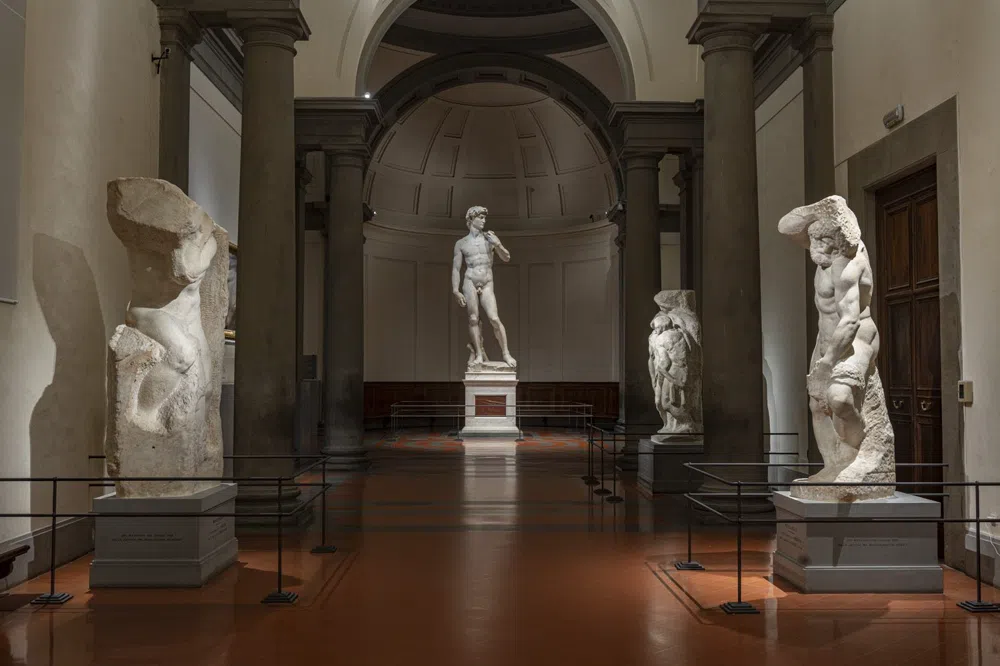
Florence's San Marco quarter, from David to the botanic garden
Élodie Fournier
Florence in November, Planned Around a 4:45 Sunset
Élodie Fournier
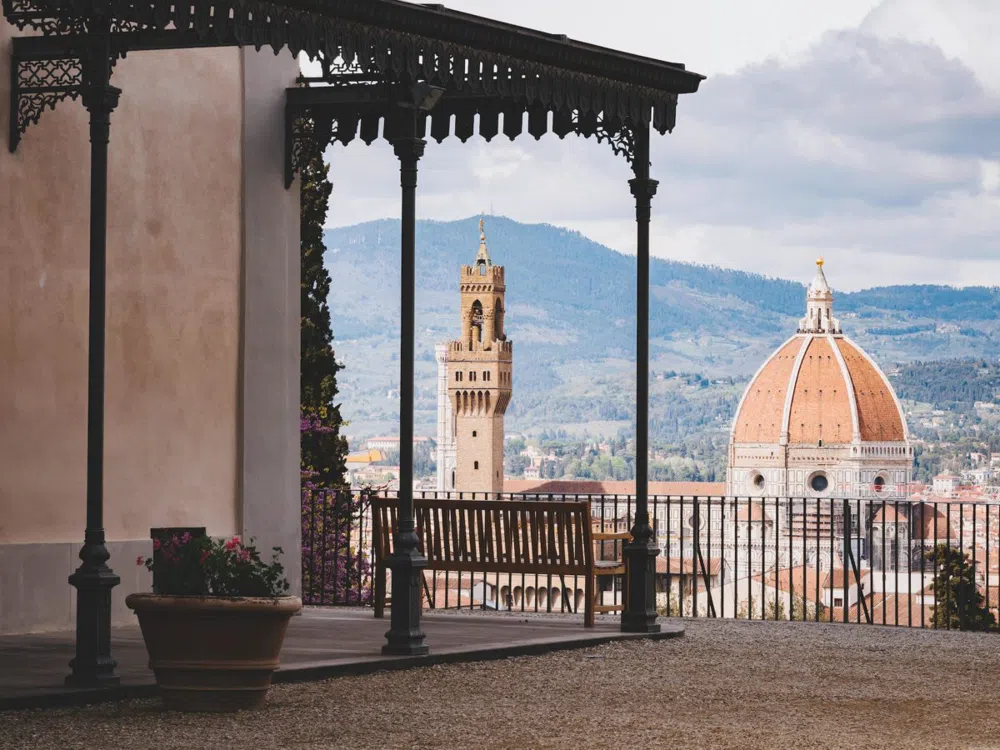
Florence Garden Walks for When the Piazzale Is Full
Élodie Fournier
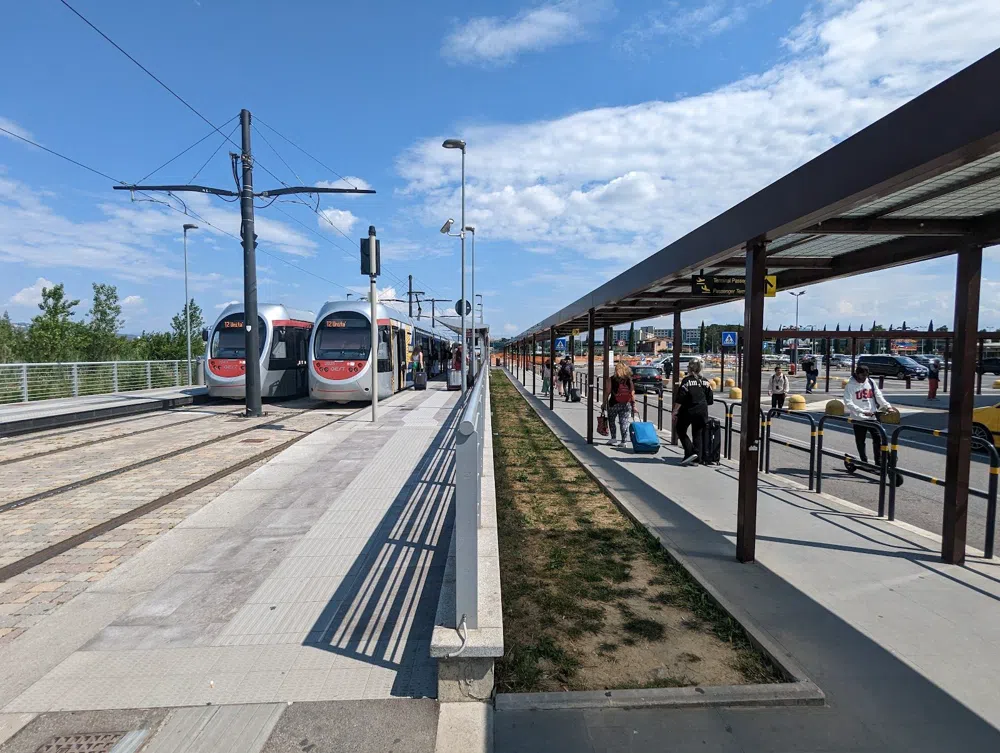
Crossing Florence by Tram and Bus on a €2 Ticket
Kat Reinhardt
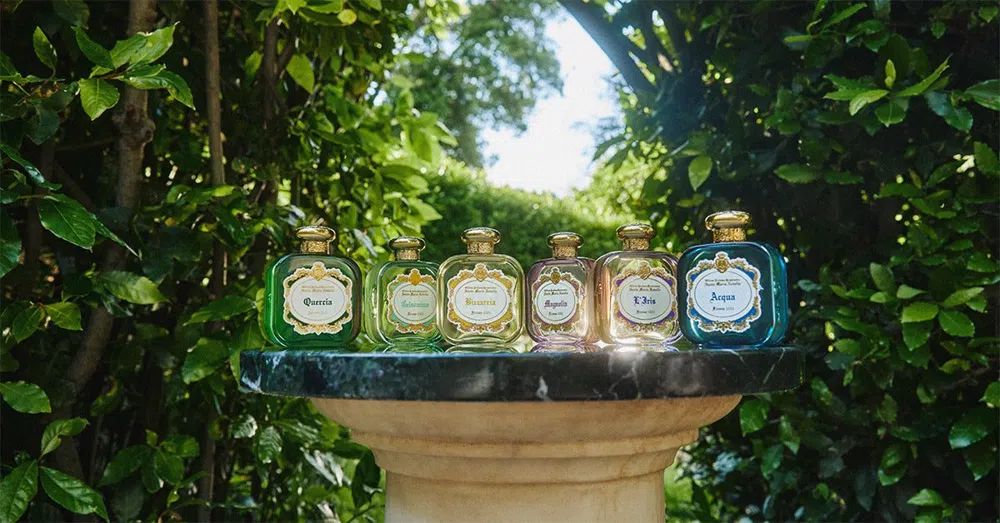
The Oltrarno Botteghe: Where Florence's Renaissance Never Ended
Élodie Fournier
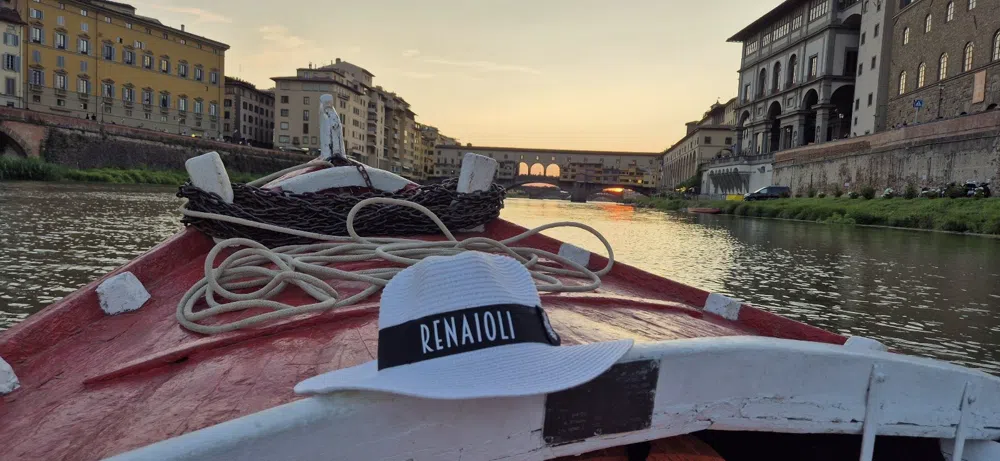
Florence Comes Quiet: A Night Walk Along the Arno
Kat Reinhardt
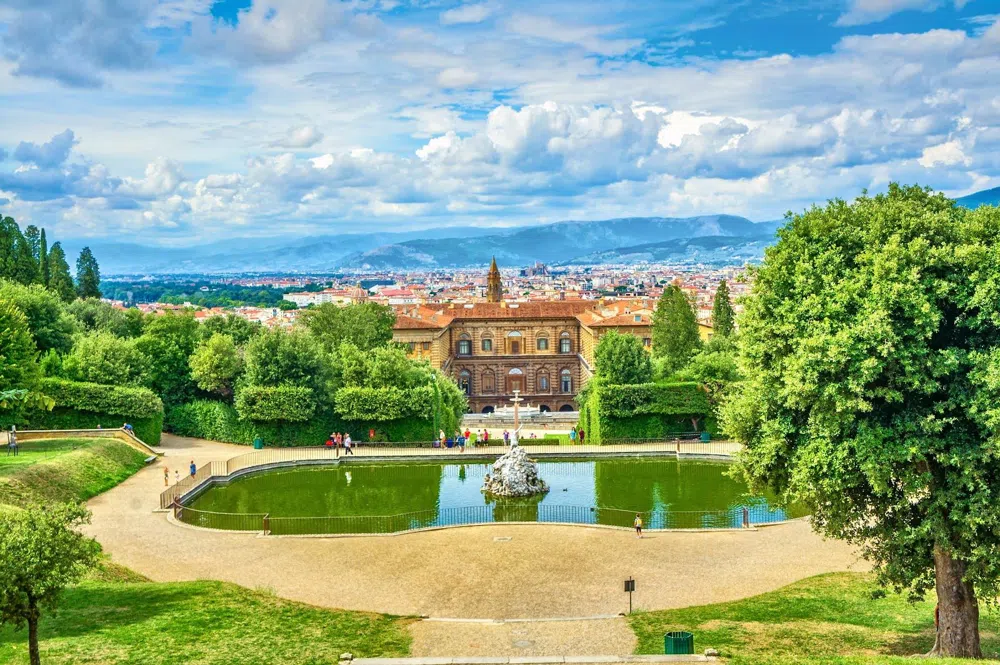
Walking Boboli and Porta Romana in Florence
Élodie Fournier
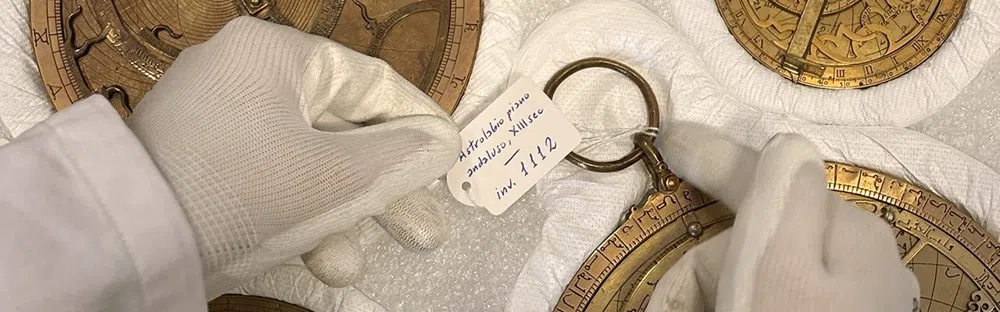
Florence With Kids on Two Sights a Day
Élodie Fournier
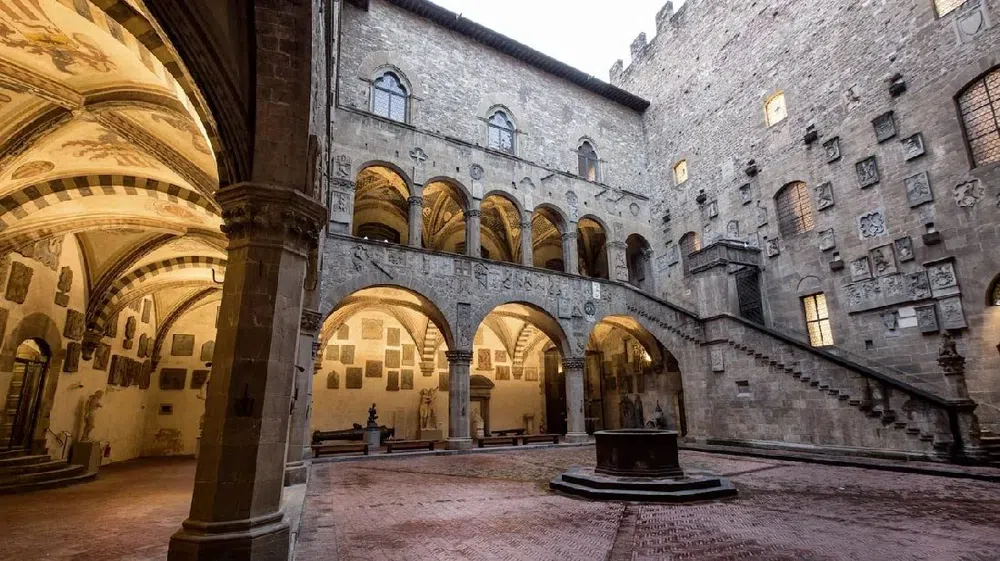
Florence at 40C and Where to Hide From It
Lorenzo Bencini
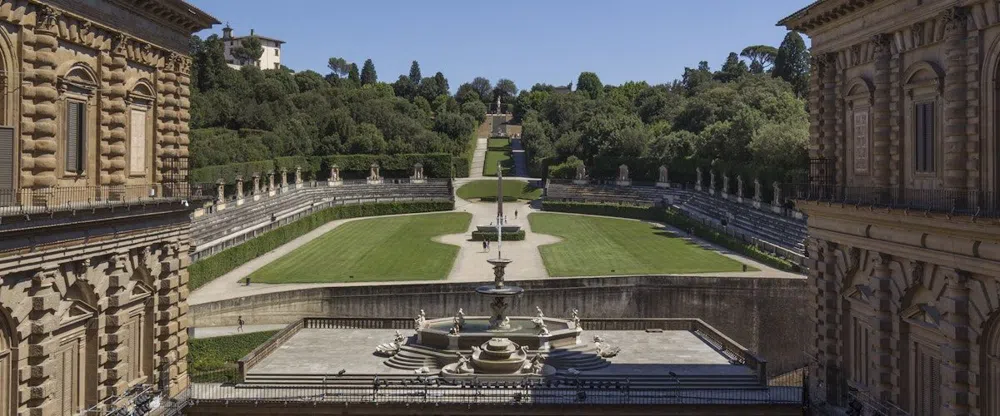
Where to Spend a Slow Sunday in Florence
Élodie Fournier
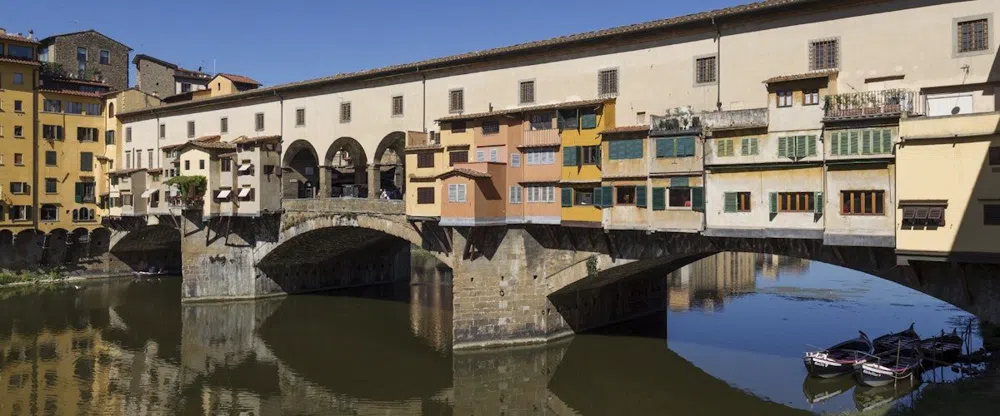
The Vasari Corridor: Florence's Secret Elevated Walkway and the Medici's Private Commute
Élodie Fournier
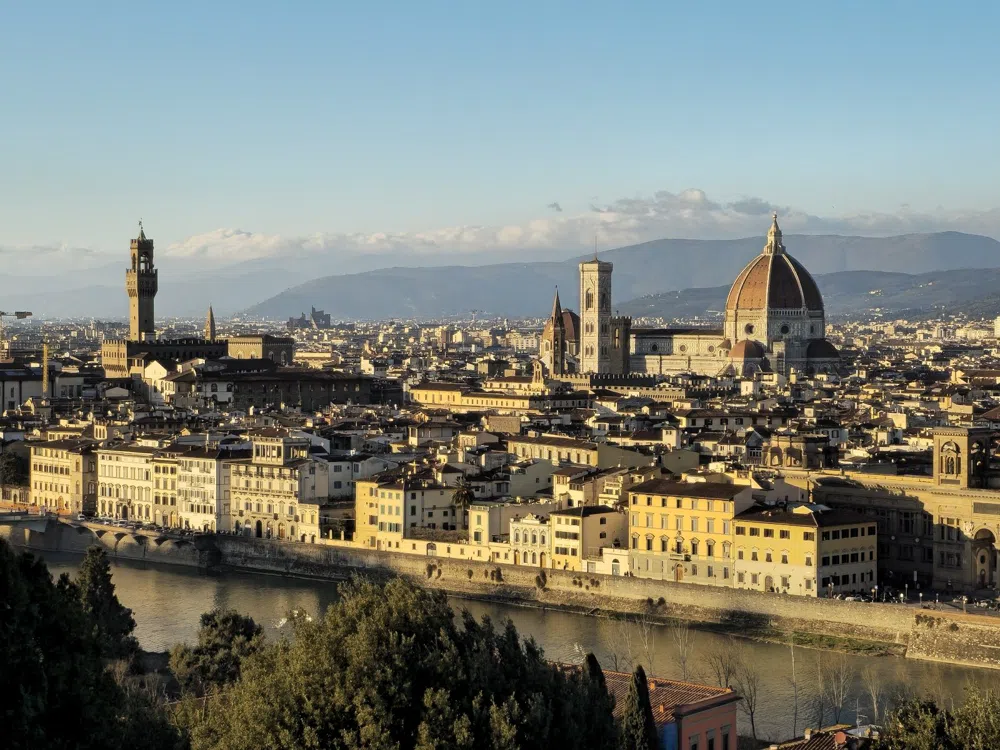
Tours and tickets
Florence Sunsets and Pizza Dough at Piazzale Michelangelo
Élodie Fournier
Tours and tickets
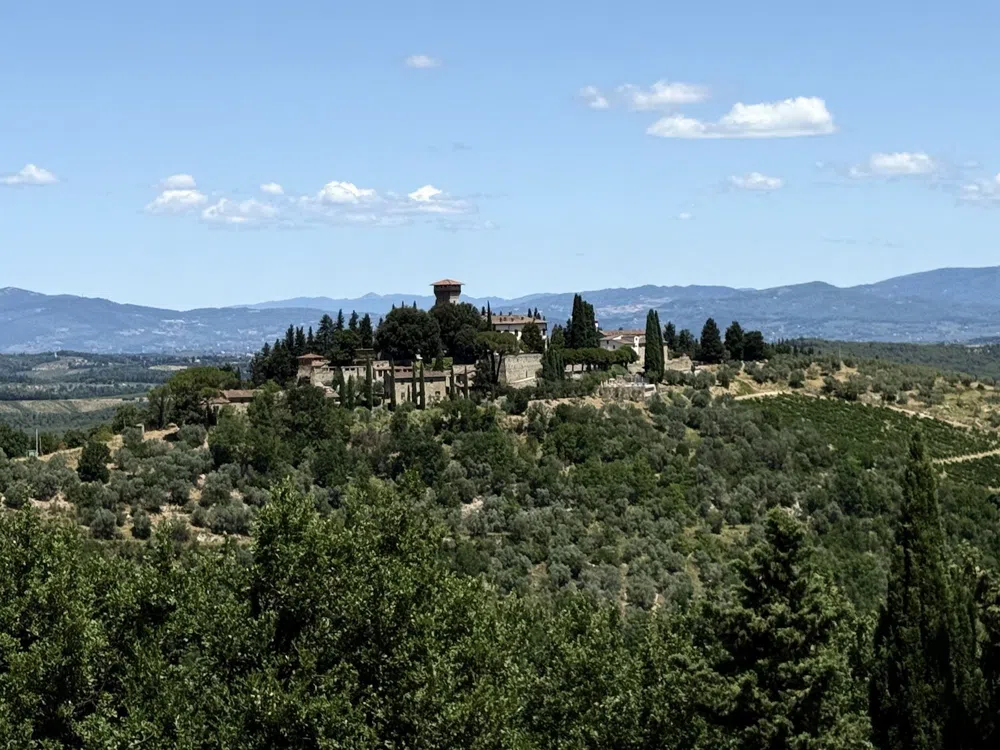
How a Small-Group Wine Safari Works Out of Florence
Lorenzo Bencini
Six Days in Florence Without the Famous Sights
Élodie Fournier
Eating Florence Beyond the Steak and the Gelato Queue
Lorenzo Bencini
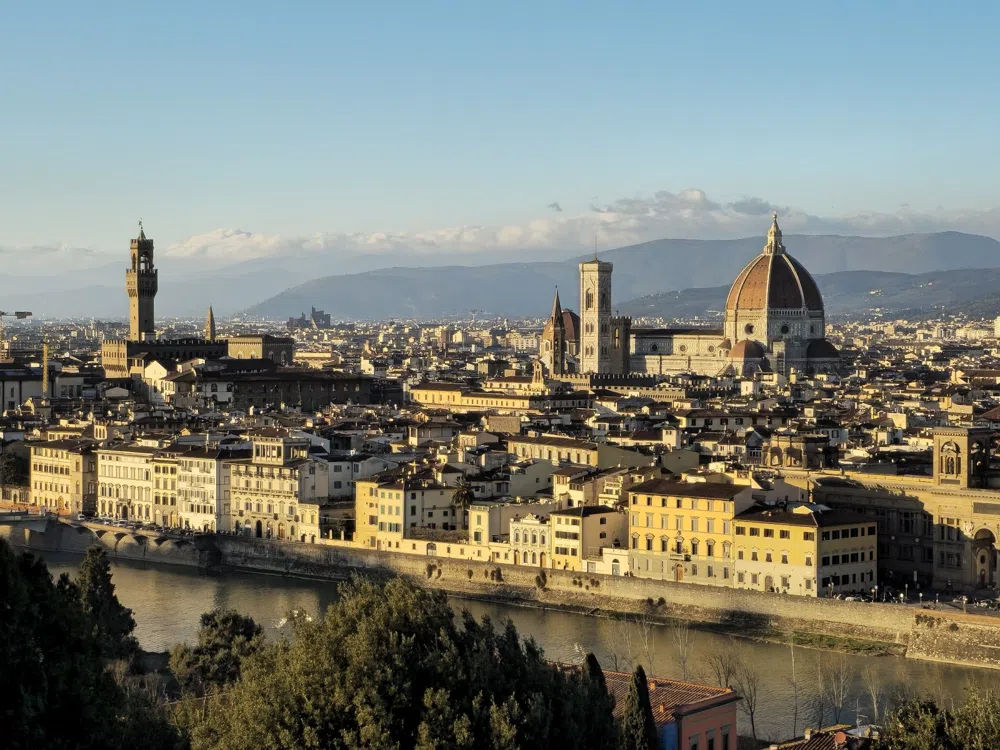
Climbing to Piazzale Michelangelo for the Florence Sunset
Élodie Fournier

Florence's Gelato Trail: A Walk Through Frozen Craft
Élodie Fournier
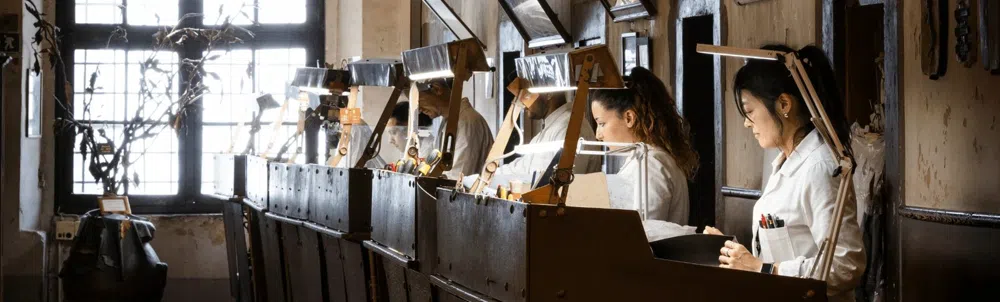
Buying Florence Leather From the People Who Make It
Lorenzo Bencini
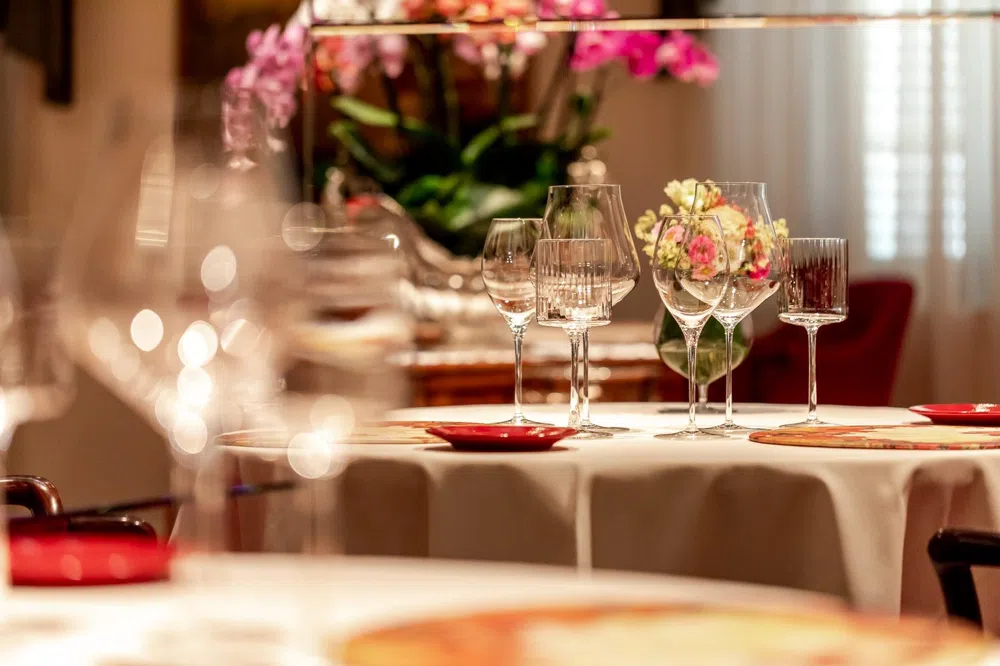
An Unhurried Anniversary in Florence
Élodie Fournier
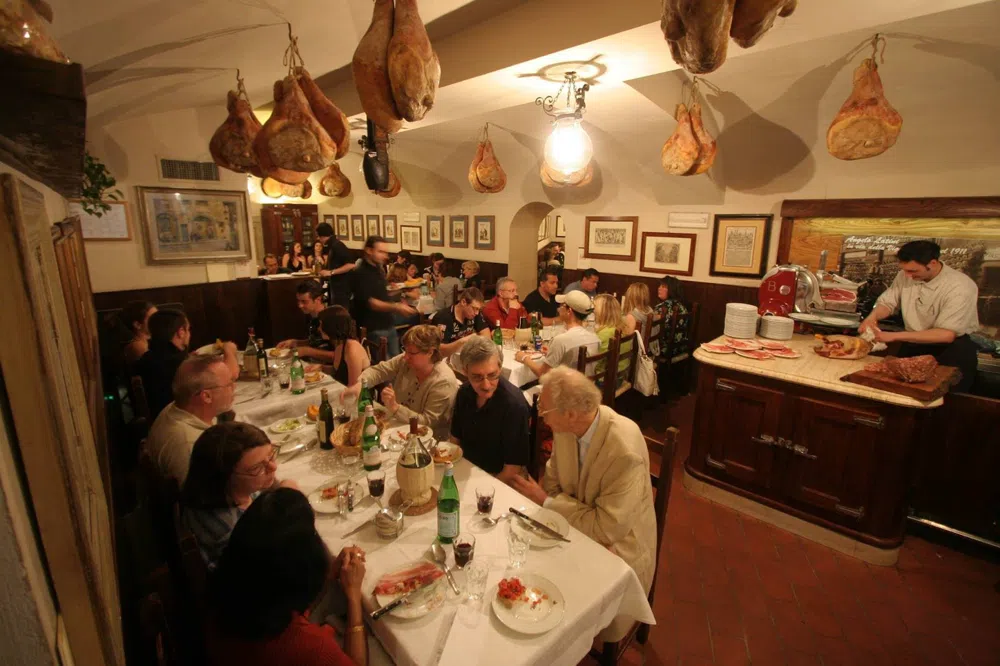
Florence After Dark: The Ritual of the Chianina Steak
Élodie Fournier
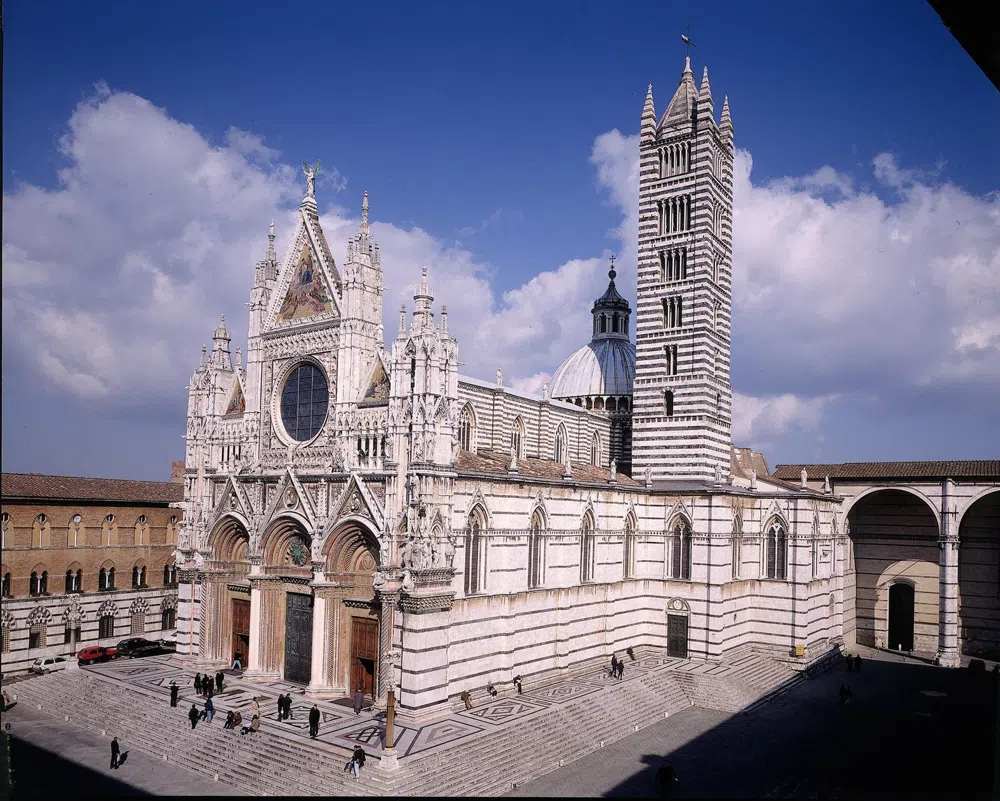
Day Trips From Florence That Don't Cost You Florence
Élodie Fournier
Tours and tickets
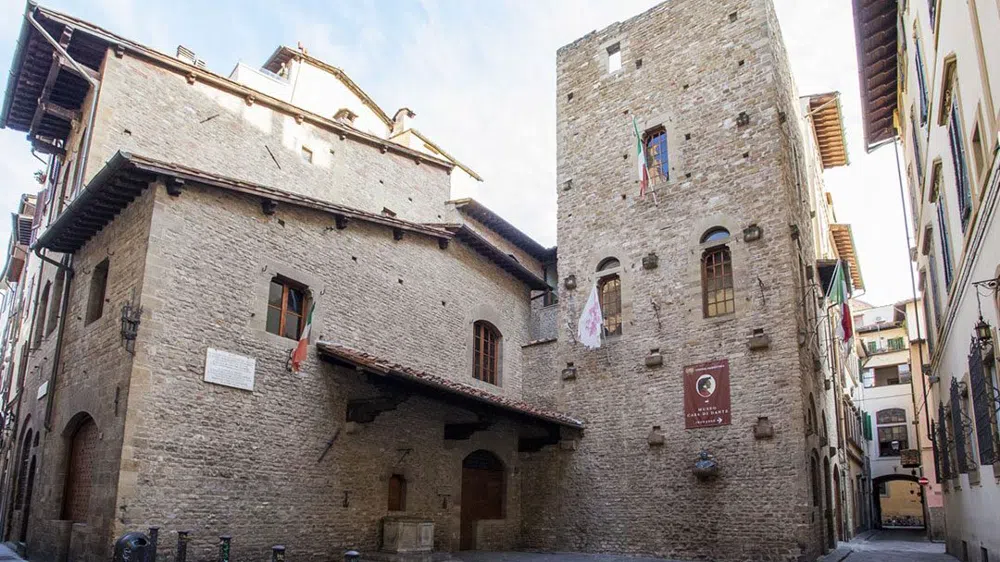
Walking Dante's Florence from His House Museum in October
Élodie Fournier
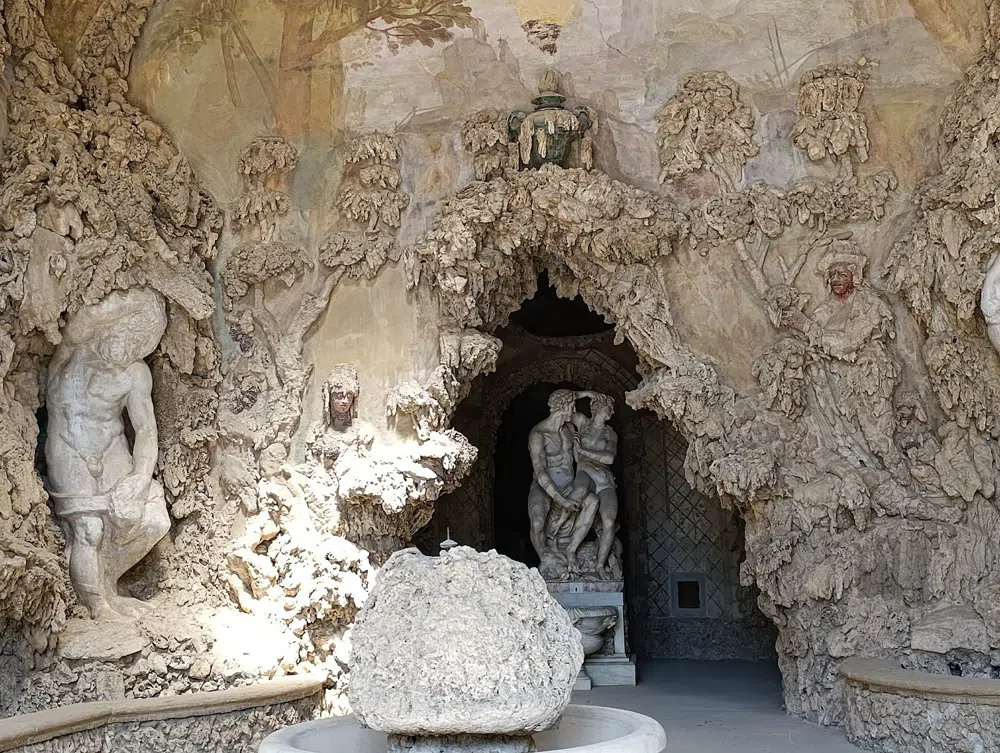
Florence's Boboli Gardens, One Grotto at a Time
Élodie Fournier
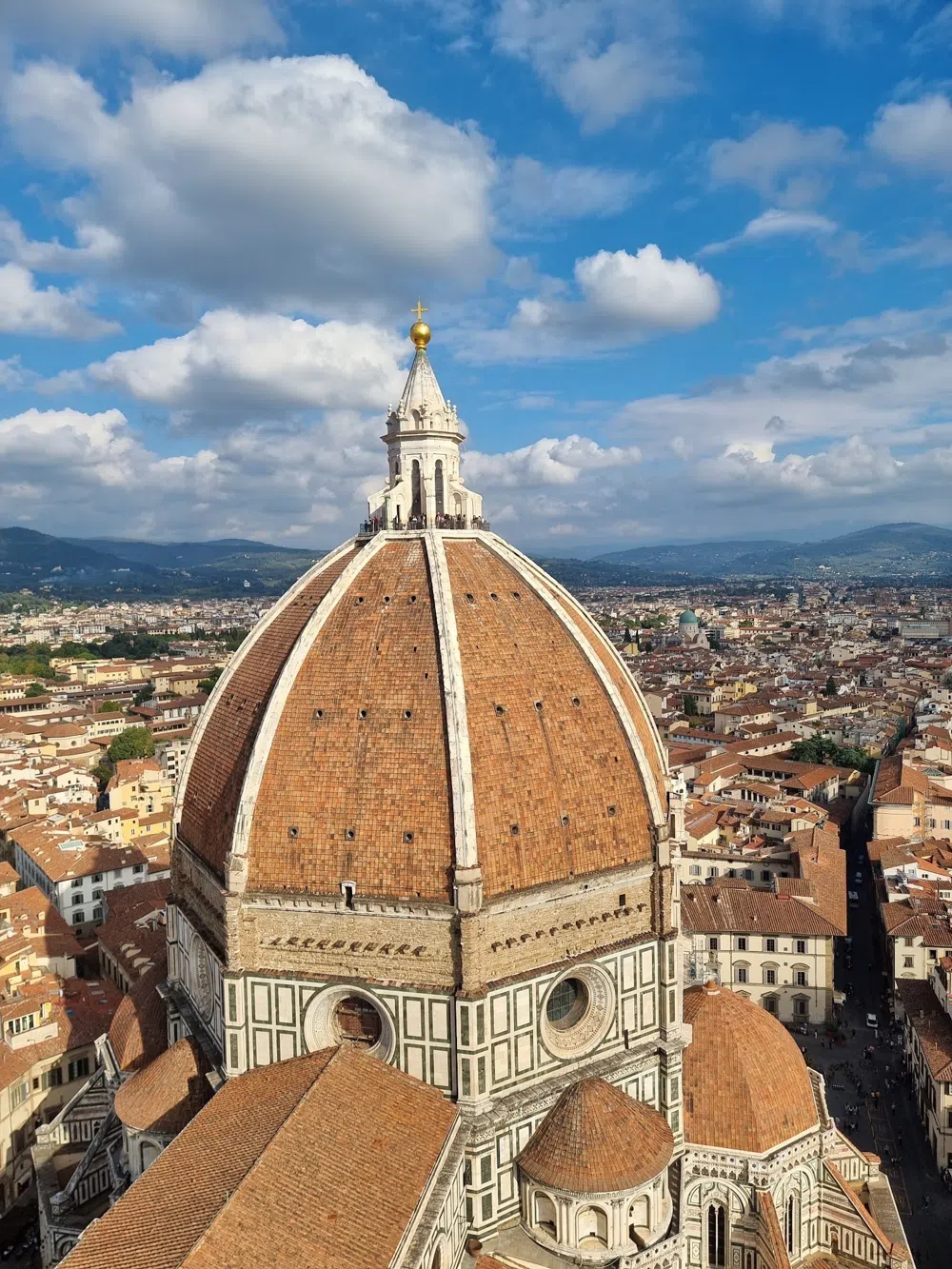
Brunelleschi's Dome: The Engineering Puzzle Over Florence
Élodie Fournier
An insider’s read on Florence
The character of Florence is inextricably linked to the Medici dynasty, whose banking wealth funded the humanists, scientists, and artists who shaped the modern world. This legacy of patronage created a city that feels like a curated monument, but its history is also one of fierce republicanism, religious fanaticism under Savonarola, and devastating natural disasters like the 1966 flood. The Florentines themselves are known for their dry wit, linguistic pride, and a certain reserved demeanor that can initially be mistaken for coldness. They are fiercely protective of their culinary and cultural traditions, refusing to compromise on the preparation of their signature steak or the unsalted recipe of their daily bread.
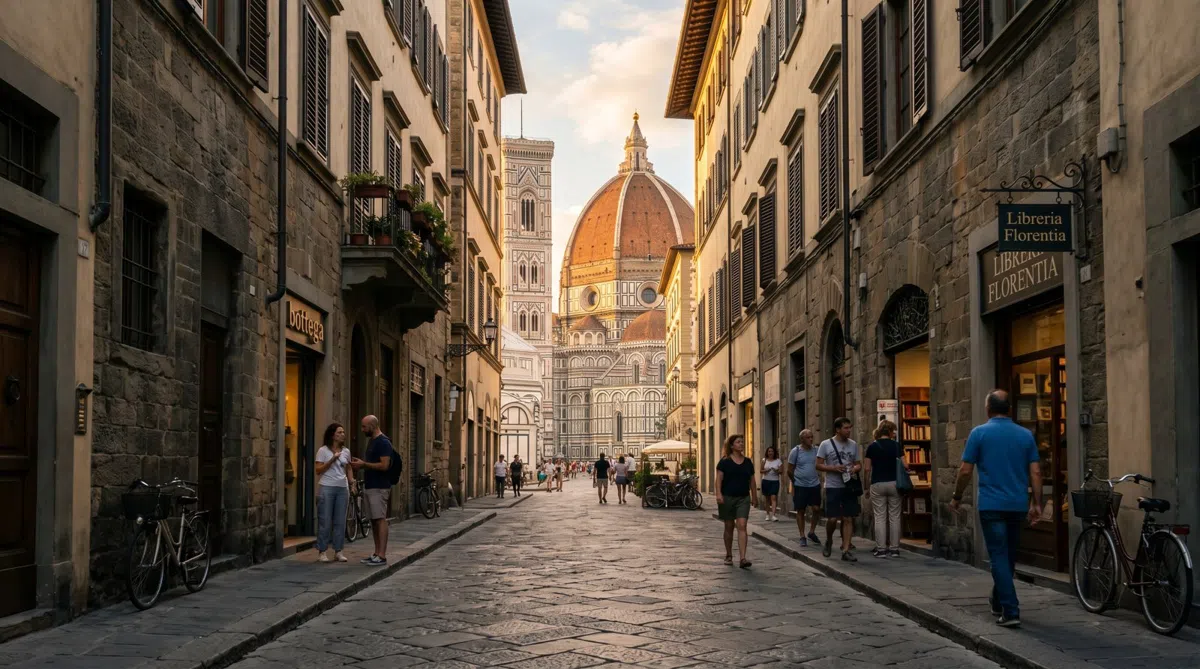

The crowds can be overwhelming, the summer heat stifling, and the commercialization of the center undeniable.
From our Florence guide
Eleven neighbourhoods, eleven ways to stay
Pick the neighbourhood first and the trip follows. Each one opens its own guide, with the hotels inside it.

Centro Storico (Duomo & Piazza della Signoria)
First-time visitors who want to be steps away from the major sights. The trade-off is high noise levels, elevated prices, and a lack of authentic local life.
The geographic and historical heart of the city, packed with iconic monuments, high-end shops, and dense crowds.
Where to stay Luxury hotels in converted palazzi or high-end apartment rentals.
Stay in Centro Storico (Duomo & Piazza della Signoria)
San Lorenzo & Santa Maria Novella
Budget travelers and those relying on train travel. The trade-off is that the streets immediately surrounding the station can feel sketchy late at night.
A bustling, slightly gritty transport and market hub defined by leather stalls, historic chapels, and the central train station.
Where to stay Mid-range boutique hotels, budget guesthouses, and modern hostels.
Stay in San Lorenzo & Santa Maria Novella
Santa Croce
Younger travelers and nightlife seekers. The trade-off is that streets near Piazza Santa Croce can be extremely noisy until the early hours.
A historic neighborhood centered around a grand Franciscan basilica, transitioning from quiet residential streets by day to a lively nightlife hub by night.
Where to stay Chic apartments, historic guesthouses, and mid-range hotels.
Stay in Santa Croce
Santo Spirito
Travelers seeking a local, artistic vibe and great dining. The trade-off is that the main piazza is a loud gathering spot for youth until 2 AM.
The bohemian heart of the Oltrarno, where artisan workshops, vintage boutiques, and lively local cafes cluster around a shady piazza.
Where to stay Boutique guesthouses, artisan-owned apartments, and stylish bed and breakfasts.
Stay in Santo Spirito
San Frediano
Slow travelers and food lovers looking to escape the tourist bubble. The trade-off is a longer walk to the main Renaissance sights.
A gritty, authentic neighborhood in the western Oltrarno, known for its traditional workshops, hip bars, and unpretentious trattorias.
Where to stay Value-focused apartments and local residential rentals.
Stay in San Frediano
San Niccolò
Couples and hikers seeking quiet charm. The trade-off is the steep uphill climb required to get home from the city center.
A quiet, village-like neighborhood tucked beneath the hillside, featuring narrow streets, medieval defensive walls, and steep stone staircases.
Where to stay Romantic boutique hotels and quiet residential apartments.
Stay in San Niccolò
Sant'Ambrogio
Food enthusiasts and long-term visitors who want to live like locals. The trade-off is that it is a fifteen-minute walk to the main central sights.
A vibrant, deeply local residential neighborhood centered around a bustling daily food market and a historic synagogue.
Where to stay Authentic local apartments and family-run guesthouses.
Stay in Sant'Ambrogio
Campo di Marte
Families and travelers seeking peace, quiet, and easy parking. The trade-off is that you must rely on buses or local trains to reach the historic core.
A leafy, residential district located northeast of the center, home to the city's main sports complexes and wide, tree-lined avenues.
Where to stay Modern residential apartments and family-friendly hotels.
Stay in Campo di Marte
Porta al Prato & Cascine
Travelers attending events at the opera house or seeking green space. The trade-off is a lack of medieval architectural charm.
A transitional neighborhood west of the center, dominated by the city's largest public park and modern residential developments.
Where to stay Large, modern business hotels and budget-friendly hostels.
Stay in Porta al Prato & Cascine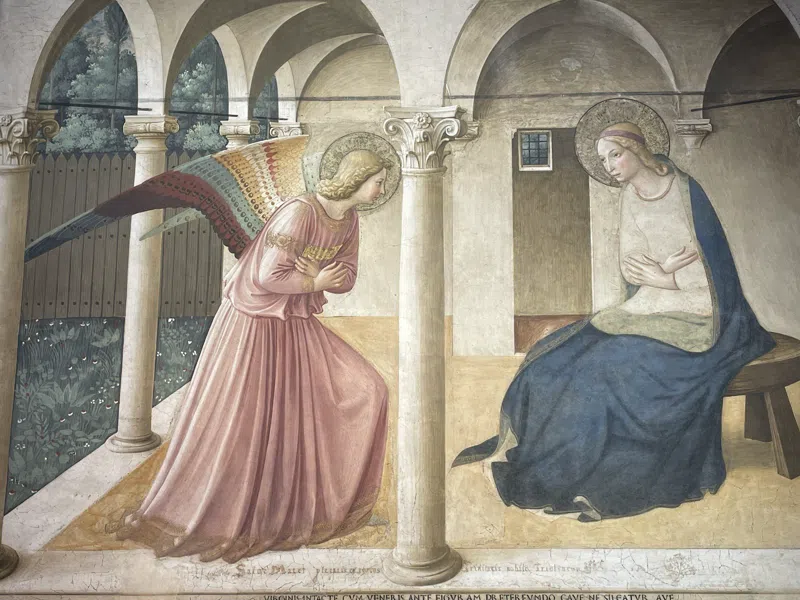
San Marco
A compact, atmospheric quarter for Renaissance art, a monumental square, student cafés and one of Florence’s great convent museums. Best year-round; book the Accademia ahead, especially from April to October.
Stay in San Marco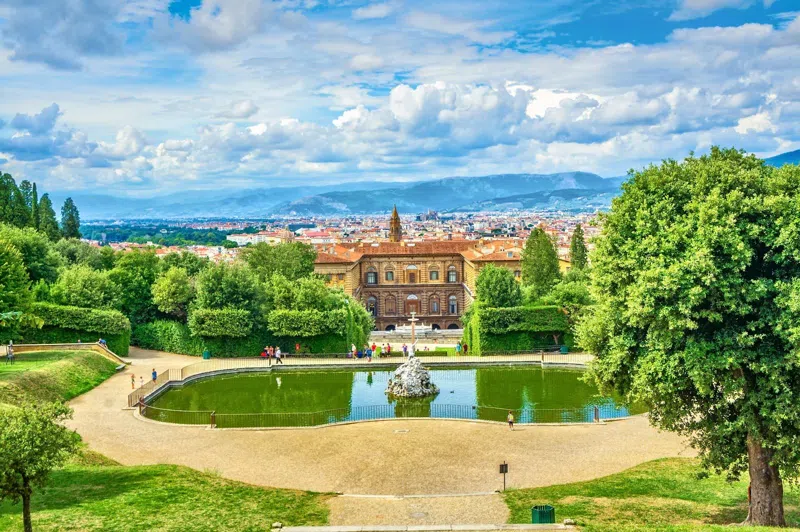
Boboli & Porta Romana
The city’s grand garden-and-villa district, combining Medici landscapes, hilltop walks, artisan streets and a less crowded southern gateway. Best from April to October when the gardens are green and open late; avoid the hottest afternoon hours in summer.
Stay in Boboli & Porta RomanaBook before you land
Top-rated tours and tickets in Florence, with live prices from Viator.

The Florence Pottery Experience: Factory Tour & Masterclass
from $137

Farm To table Experience on an organic hilltop estate in Tuscany
from $183

The Cooking Lab - Authentic Food Experience
from $120

UFFIZI Private Tour in Florence Italy
from $174

Small group Expert-led Florence Foodie Tour
from $105

Florence San Lorenzo Food Tour by Secret Food Tours
from $112

Pasta Cooking class in the countryside
from $183

PRIVATE Italian Home Cooking Class & Wine with Fabio & Christiane
from $285
Prices from Viator; we may earn a commission when you book — at no extra cost to you. Tours are sold and operated by Viator, the merchant of record. Ratings are collected by Viator and Tripadvisor.
Book direct
Book a hotel in Florence
Loading live availability and real-time prices…
The Florence guide
Where to eat, drink and look, how to get around, and what locals expect of you. Open any chapter.
Where to eat
Dining

Buca Lapi
Located in a historic cellar beneath Palazzo Antinori, this is the gold standard for Bistecca alla Fiorentina, grilled over real charcoal with a perfectly charred crust.
Signature: Bistecca alla Fiorentina

Trattoria Mario
A legendary, no-nonsense lunch spot where diners sit at shared tables under strict house rules: no well-done steak, no ice, and no lingering.
Signature: Bistecca alla Fiorentina (served rare by the kilo)

Regina Bistecca
Housed in a beautifully restored former antiquarian bookshop, offering an elegant setting and meticulously aged cuts of beef.
Signature: Dry-aged Chianina steak

Trattoria da Burde
A historic shrine to Tuscan cooking run by the Gori brothers, worth the taxi ride for unmatched traditional grilled meats and stews.
Signature: Grilled meats and Peposo (peppery beef stew)

I'Brindellone
An unpretentious neighborhood joint popular with locals, offering excellent value on classic grilled meats in a rustic setting.
Signature: Tagliata di manzo (sliced steak with rosemary)

Osteria dell'Enoteca
A stylish, contemporary osteria that pairs expertly sourced, dry-aged steaks with an exceptional selection of regional wines.
Signature: Selection of regional beef cuts aged on-site

Trattoria Sostanza
Operating since 1869, this tiny, white-tiled kitchen is famous for eschewing typical Tuscan beef in favor of rich, buttery chicken dishes.
Signature: Pollo al burro (chicken breast pan-fried in foaming butter)

Cibrèo Trattoria (Cibreino)
The more casual sibling of the late Fabio Picchi's culinary empire, serving intense, traditional Tuscan dishes without a single plate of pasta in sight.
Signature: Sformato di patate e ricotta (ricotta and potato flan)

Osteria Tripperia Il Magazzino
A cozy tavern dedicated to making offal accessible, creative, and delicious for both locals and adventurous travelers.
Signature: Lampredotto meatballs

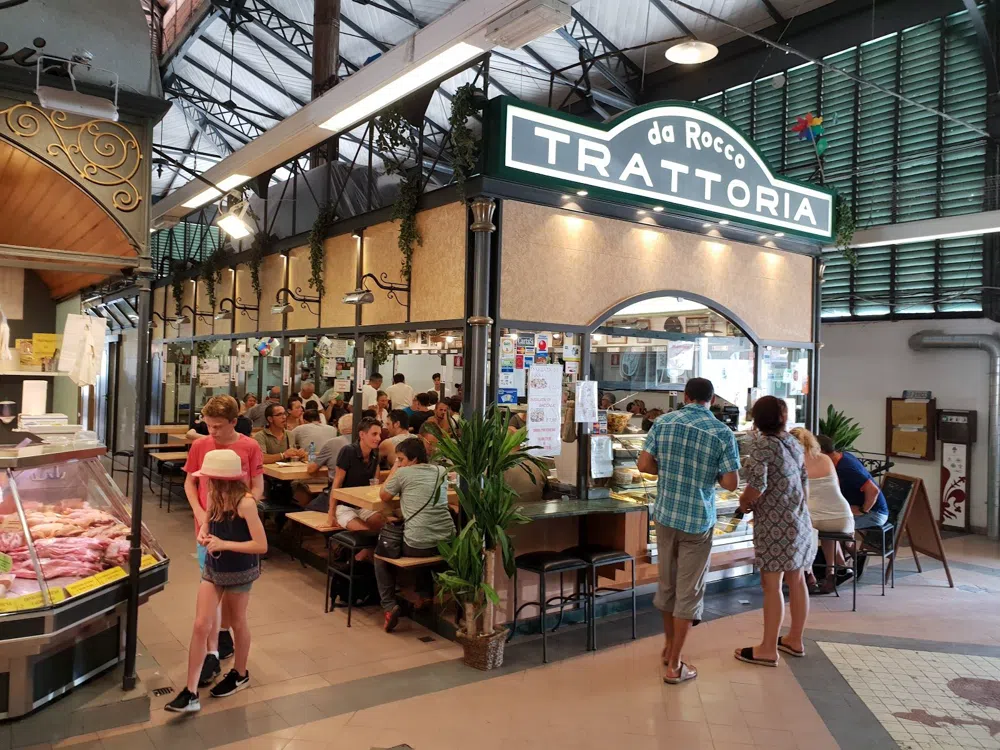
Trattoria Da Rocco
A bustling stall inside the covered market where you sit on wooden benches and eat fast, incredibly cheap, home-style Tuscan classics.
Signature: Ribollita (hearty bread and vegetable soup)

Da Nerbone
Serving market workers and travelers since 1872 from the ground floor of the central market, famous for its savory stewed tripe.
Signature: Panino con il lampredotto (abomasum tripe sandwich dipped in broth)

Osteria di Giovanni
A family-run establishment known for its warm hospitality, reliable execution of classic recipes, and excellent house olive oil.
Signature: Pappa al pomodoro (thick tomato and bread soup)

Enoteca Pinchiorri
A legendary temple of gastronomy featuring one of the world's most prestigious wine cellars and ultra-refined, artistic Italian cuisine.
Signature: Multi-course seasonal tasting menu with wine pairings

Il Palagio
Located inside the Four Seasons Hotel, this elegant dining room features vaulted ceilings, a peaceful garden terrace, and impeccable service.
Signature: Cacio e pepe risotto with red prawns

Borgo San Jacopo
Offers edge-of-the-water dining directly overlooking the Arno River, with a refined menu focused on clean, contemporary flavors.
Signature: Raw and cooked seafood tasting menu

Chic Nonna di Vito Mollica
Set in the breathtaking, frescoed court of Palazzo Portinari Salviati, offering highly creative, ingredient-driven fine dining.
Signature: Glazed sweetbreads with black truffle

Gucci Osteria da Massimo Bottura
A high-fashion, playful collaboration between the luxury brand and chef Massimo Bottura, serving whimsical, globally inspired dishes.
Signature: Emilia Burger (gourmet pork and beef slider)

La Leggenda dei Frati
Perched in the gardens of Villa Bardini, this restaurant offers modern, art-inspired dishes alongside panoramic views of the city.
Signature: Terrine of wild rabbit with black olives

Cestello Ristoclub
Features an in-house fishmonger counter where guests select their raw seafood by weight before it is prepared to order.
Signature: Raw red prawns from Porto Santo Stefano

Fuor d'Acqua
A converted warehouse serving ultra-fresh, simply prepared wild-caught fish delivered daily from the Tuscan coast.
Signature: Catalana-style lobster with fresh tomatoes and onions

Burro & Acciughe
A cozy, neighborhood bistro specializing in bluefish, anchovies, and creative seafood pastas in a relaxed setting.
Signature: Tagliolini with fresh anchovies, fennel, and pine nuts

Marina di Santo Spirito
A quirky, rustic restaurant with stone floors and live music, serving hearty, traditional seafood dishes.
Signature: Seafood paccheri pasta in a rich tomato broth
Ristorante Pierot
A long-standing neighborhood favorite known for its classic preparation of traditional Tuscan coastal seafood dishes.
Signature: Cacciucco (spicy Tuscan seafood stew)

All'Antico Vinaio
The most famous sandwich shop in the city, serving massive, freshly baked schiacciata bread stuffed with local cured meats.
Signature: La Favolosa (schiacciata with sbriciolona, pecorino cream, and artichoke cream)

I' Girone De' Ghiotti
An exceptional alternative to the longer lines nearby, offering high-quality, artisanal cured meats and homemade spreads on warm schiacciata.
Signature: Schiacciata with wild boar prosciutto and truffle cream

Pollini Lampredotto
A family-run street cart serving some of the most authentic, perfectly seasoned tripe and lampredotto in Florence.
Signature: Panino con il lampredotto with green sauce

Semel
A tiny, standing-room-only shop serving small, gourmet rolls filled with unusual, slow-cooked Tuscan ingredients.
Signature: Panino with stewed wild boar or donkey

SandwiChic
A retro-styled sandwich shop designed like an old haberdashery, serving high-quality local cheeses and meats.
Signature: Schiacciata with lardo di Colonnata and honey

Gustapizza
A legendary, fast-paced pizzeria serving soft, Neapolitan-style wood-fired pizzas to a young, energetic crowd.
Signature: Gustapizza (tomato, mozzarella, cherry tomatoes, arugula, and parmesan)

L'Ov Osteria Vegetariana
A creative, stylish restaurant offering fully vegetarian and vegan reinterpretations of classic, heavy Tuscan dishes.
Signature: Vegetarian carbonara with smoked carrot

Libreria Brac
A hidden courtyard bookshop and cafe serving excellent, freshly prepared organic vegetarian and vegan dishes in a quiet, artistic atmosphere.
Signature: Piatto Unico (a customizable plate of pasta, salad, and grain)

5 e Cinque
An organic, vegetarian-focused restaurant specializing in traditional chickpea flatbreads and fresh, seasonal vegetable plates.
Signature: Cecina (savory chickpea pancake served with seasonal toppings)

Ruth's
Located next to the Synagogue, this cozy spot serves kosher vegetarian dishes blending Jewish-Italian and Middle Eastern flavors.
Signature: Falafel platter with hummus and local vegetarian sides

Raw Firenze
A dedicated raw vegan cafe serving cold-pressed juices, nutrient-dense salads, and creative raw desserts.
Signature: Raw vegan avocado wrap and raw chocolate tarts

Nirvana
One of the city's oldest fully vegan restaurants, offering a peaceful setting and a diverse menu of plant-based Italian classics.
Signature: Vegan ravioli stuffed with tofu and spinach in sage butter
After dark
Nightlife

Tenax
A legendary institution of Italian electronic music, hosting world-famous techno and house DJs for decades.

YAB (You Are Beautiful)
A sleek, modern underground club located steps from the Duomo, popular for its commercial house and hip-hop nights.

Space Club
The largest club in the historic center, featuring two floors, laser shows, and a massive dance floor popular with study-abroad students.

Flo Lounge Bar
An exclusive, summer-only outdoor club perched near Piazzale Michelangelo, offering panoramic views of the illuminated skyline.

Blob Club
An intimate, two-story alternative club that plays indie, rock, and retro hits, serving as a late-night refuge for creatives.

Rasputin
A secret, candlelit speakeasy hidden behind an unmarked door, offering serious, high-end mixology in a gothic, velvet-draped setting.

Mad Souls & Spirits
An unpretentious, high-energy neighborhood bar serving world-class cocktails with playful, irreverent names.

SE·STO on Arno
A glass-walled rooftop bar atop the Westin Excelsior, offering unmatched 360-degree views of the Arno and the Duomo.

Loggia Roof Bar
Set on the historic loggia of Palazzo Guadagni, this bar offers a relaxed, romantic setting overlooking the piazza below.

Locale Firenze
Housed in a 13th-century palace with a glass-roofed courtyard, serving highly innovative, molecular cocktails.

Atrium Bar
Located in the Four Seasons, this bar offers impeccable, classic cocktail service in a stunning, vaulted lobby.

Jazz Club Firenze
A subterranean jazz cave requiring a membership card at the door, offering exceptional live jazz, blues, and jam sessions.

La Ménagère
A stylish concept store and restaurant hosting live jazz, soul, and acoustic sets in its vaulted brick basement.

Le Murate Caffè Letterario
A former prison courtyard turned cultural hub, hosting live music, poetry readings, and outdoor concerts in the summer.

NOF
A gritty, narrow bar that hosts live rock, indie, and blues bands almost every night of the week.

Glue Alternative Concept Space
A cultural association hosting independent Italian and international indie bands, theater, and DJ sets.

Viper Theatre
The city's main mid-sized concert hall, hosting touring rock, metal, hip-hop, and electronic acts.
Art & history
Culture

Uffizi Gallery
The world's premier collection of Italian Renaissance painting, featuring iconic works by Botticelli, Michelangelo, and Leonardo da Vinci.

Accademia Gallery
The home of Michelangelo's original David, alongside his unfinished 'Slaves' which showcase his raw carving technique.

Bargello National Museum
Set in a medieval fortress-prison, this museum houses an unmatched collection of Renaissance sculpture, including Donatello's bronze David.

Museo dell'Opera del Duomo
A state-of-the-art museum housing the original masterpieces removed from the cathedral, including Ghiberti's Gates of Paradise.

Palazzo Pitti
A massive palace housing the Palatine Gallery, featuring works by Raphael and Titian hung in opulent, baroque-style rooms.

Museo di San Marco
A quiet, contemplative Dominican monastery where Fra Angelico painted delicate frescoes directly onto the walls of the monks' sleeping cells.

Cattedrale di Santa Maria del Fiore (Duomo)
The defining symbol of Florence, featuring Brunelleschi's revolutionary double-walled brick dome and a green-and-white marble facade.

Ponte Vecchio
A medieval stone segmental arch bridge lined with historic jewelry shops, topped by the secret Vasari Corridor.

Palazzo Vecchio
The fortress-like town hall of Florence, featuring opulent chambers frescoed by Vasari and a soaring bell tower.
Basilica di Santa Croce
The largest Franciscan church in the world, serving as the pantheon for Italy's most illustrious figures.

Medici Chapels
The opulent mausoleum of the Medici family, featuring Michelangelo's allegorical sculptures of Night, Day, Dawn, and Dusk.

San Miniato al Monte
A Romanesque basilica perched high on a hill, featuring a stunning mosaic facade and a crypt unchanged since the 11th century.

Palazzo Strozzi
A magnificent Renaissance palace that hosts world-class temporary exhibitions of contemporary and classical art.

Museo Novecento
Dedicated to 20th-century Italian art, showcasing the development of modernism, futurism, and spatialism.

Marino Marini Museum
A former church creatively converted to house the modernist, expressive equestrian sculptures of Tuscan artist Marino Marini.

Galleria d'Arte Moderna
Showcases 19th and early 20th-century Italian paintings, with a focus on the revolutionary Macchiaioli movement.

Tornabuoni Art
A prestigious commercial gallery specializing in post-war Italian masters like Lucio Fontana and Alberto Burri.
Timing
When to visit
Spring
April and May bring beautiful blooms and mild temperatures, but also mark the beginning of the peak tourist season with long lines at major monuments.
Summer
June through August is intensely hot and humid, with temperatures regularly exceeding 35°C. Mosquitoes are prevalent, and many local shops close in August for annual holidays.
Autumn
September and October offer ideal weather, grape harvest festivals in the surrounding hills, and a lively culinary scene centered around fresh porcini and truffles.
Winter
November to March is cold and occasionally rainy, but offers the quietest streets, empty museums, and significantly lower accommodation rates.
What it costs
Budgeting
Logistics
Getting around
From the airport
Amerigo Vespucci Airport (FLR) is highly accessible. The T2 tramway runs directly from the terminal to the central Santa Maria Novella railway station in under twenty minutes, costing only a few euros. Taxis operate on a fixed-tariff system to the center, which increases slightly on weekends and late at night.
Public transit
The city center is served by a network of small electric buses (Autolinee Toscane) that navigate the narrow pedestrianized streets. However, public transit is rarely necessary for visitors staying within the historic core.
Passes & tickets
The Firenze Card grants entry to major museums for a seventy-two-hour window, but it is only cost-effective if you plan to visit multiple high-ticket sites daily. For transit, standard single-use tickets are cheap and must be validated upon boarding.
On foot
Florence is an exceptionally walkable city. You can walk from one side of the historic center to the other in under thirty minutes. Most of the central core is a designated limited traffic zone (ZTL), making pedestrian exploration the safest and most practical option.
Local etiquette
Safety & etiquette
- Dress respectfully when entering churches; shoulders and knees must be covered, and hats must be removed.
- Do not sit on the steps of churches or monuments to eat your lunch; the city enforces strict fines to keep historic steps clean.
- When ordering steak, do not ask for it well-done; it is considered an insult to the chef and the quality of the meat.
Travel smart
Practical tips
- Buy your museum tickets only from the official B-Ticket website to avoid paying massive markups on third-party reseller platforms.
- Carry a reusable water bottle and use the free public water fountains (fontanelli) that offer chilled, filtered sparkling water.
- Avoid restaurants with picture menus or hosts standing outside trying to lure you in, especially around Piazza del Duomo.
- Validate your train or bus ticket in the green machines before boarding to avoid heavy, on-the-spot fines.
- Visit the Uffizi late in the afternoon, around 4:30 PM, when the large tour groups have departed and the galleries are much quieter.
- Always ask for Bistecca alla Fiorentina by weight and expect to pay by the kilo; a standard steak is meant to be shared between two or three people.
Before you go
Florence FAQs
How do I avoid the lines at the Uffizi and Accademia?
You must book timed-entry tickets weeks in advance through the official B-Ticket website, or select the earliest morning or late afternoon slots.
Why is Florentine bread unsalted?
The tradition dates back to a medieval feud with Pisa, which cut off salt supplies to Florence, leading bakers to make bread without it.
Is tap water safe to drink in Florence?
Yes, tap water is completely safe. You can also refill your bottle with chilled still or sparkling water at the city's public water fountains.
Can I drive a rental car into the center of Florence?
No, the entire historic center is a restricted ZTL zone monitored by cameras, and unauthorized driving results in heavy automated fines.
Do I need to tip at restaurants in Florence?
Tipping is not expected. A service charge (coperto) is usually added to the bill; rounding up to the nearest euro is appreciated but optional.