The Florence issue
Walking Boboli and Porta Romana in Florence
The Medici terraces, five museums inside one palace, and the Via Romana tables behind them: in 2026 the closures decide what order you see them in.

By Élodie FournierFlorence beyond the Uffizi queue
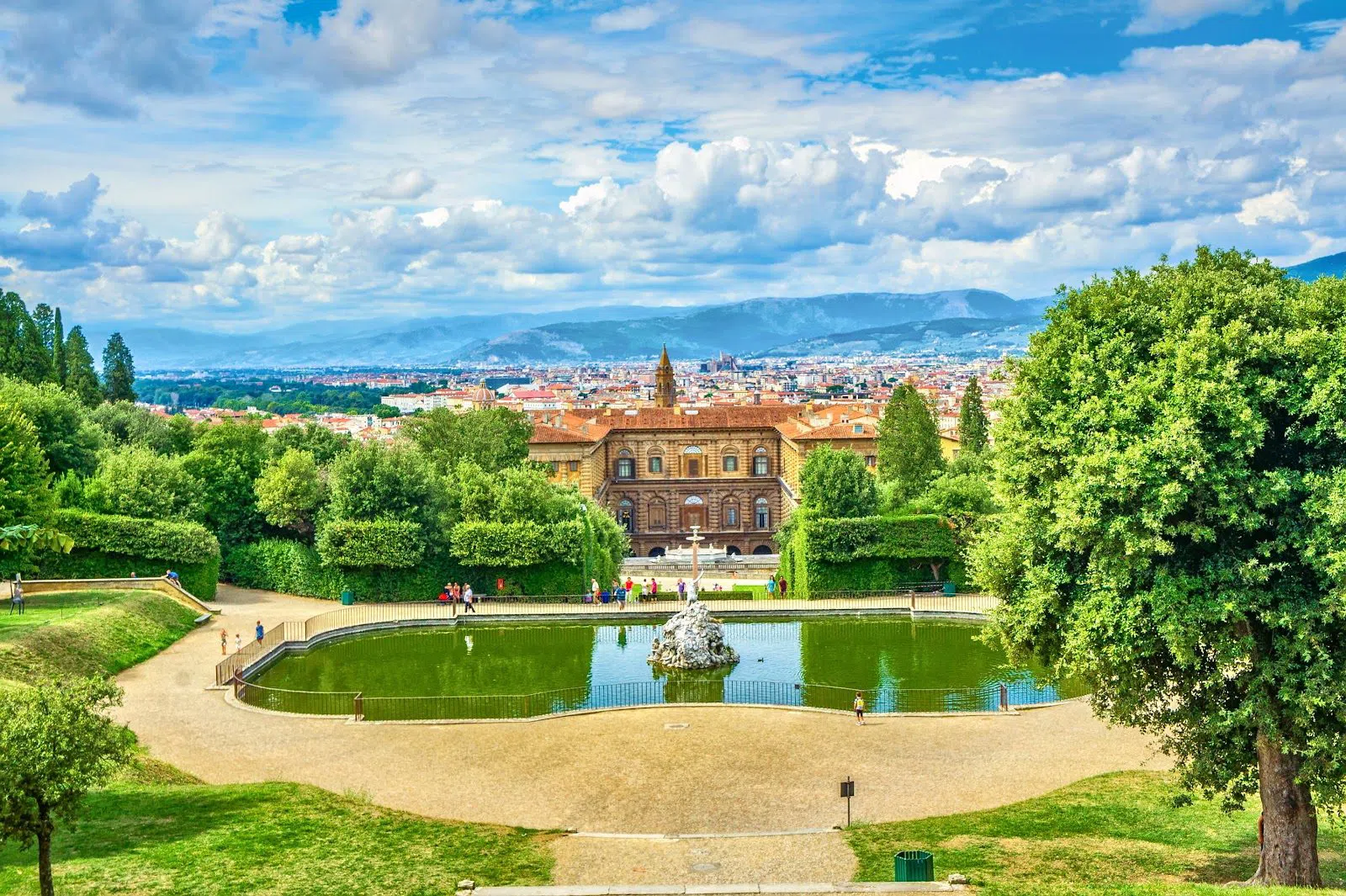
The gravel in the Boboli amphitheatre holds the August heat into the evening, and the garden closes on the first and last Monday of every month. Downhill, the brick arch of Porta Romana has carried the Siena and Rome road since 1326. Between the two sit five palace museums, a bindery working the same spot since 1856, and a parish crucifix from Giotto's workshop.
Boboli and Palazzo Pitti
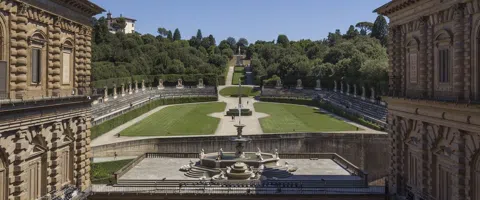
Giardino di Boboli (behind Palazzo Pitti) climbs the hillside in terraces, 11 hectares of Medici garden design that the neighbourhood uses as its park. The gravel amphitheatre behind the palace carries an Egyptian obelisk and a giant granite basin. From the top of it the Viottolone avenue drops downhill between walls of cypress to the Isolotto pond and its Oceanus fountain. Buontalenti's grotto of shell and stalactite is built into the slope. Entry is €€.
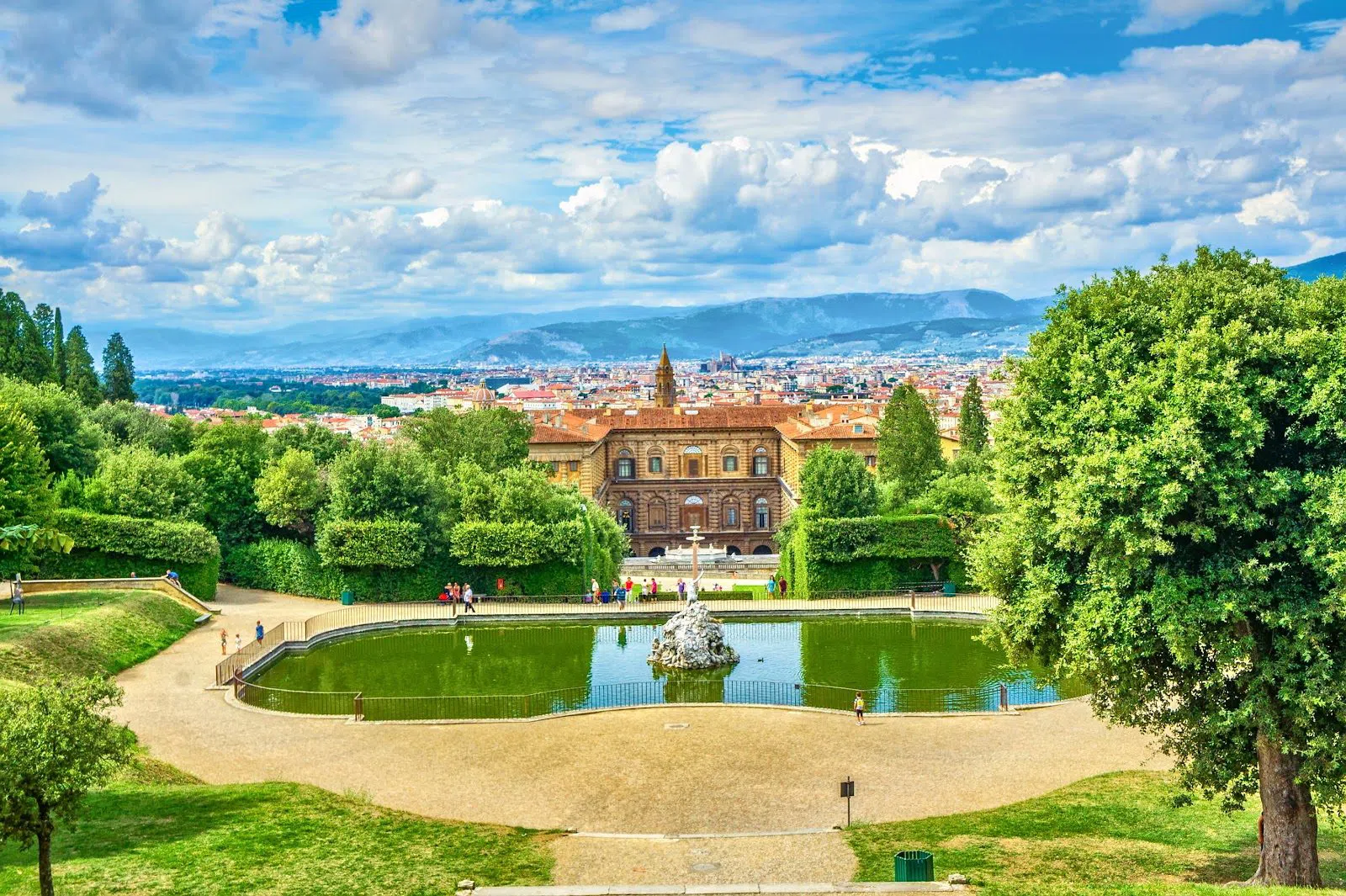
Walk the Viottolone early in the day in August, because the gravel turns punishing by mid-afternoon. A guided group has to book a timed slot; anything over 15 people gets split in two, and headsets are compulsory in the Palazzina areas.
Palazzo Pitti turns three storeys of rough rusticated stone to the square, and the cobbled forecourt slopes down from the piazza to the doors. Five museums work out of the building: the Palatine Gallery, Modern Art, Costume and Fashion, the Treasury of the Grand Dukes and the Russian Icons. In the Palatine Gallery the Raphaels hang frame to frame in gilt on crimson silk walls.
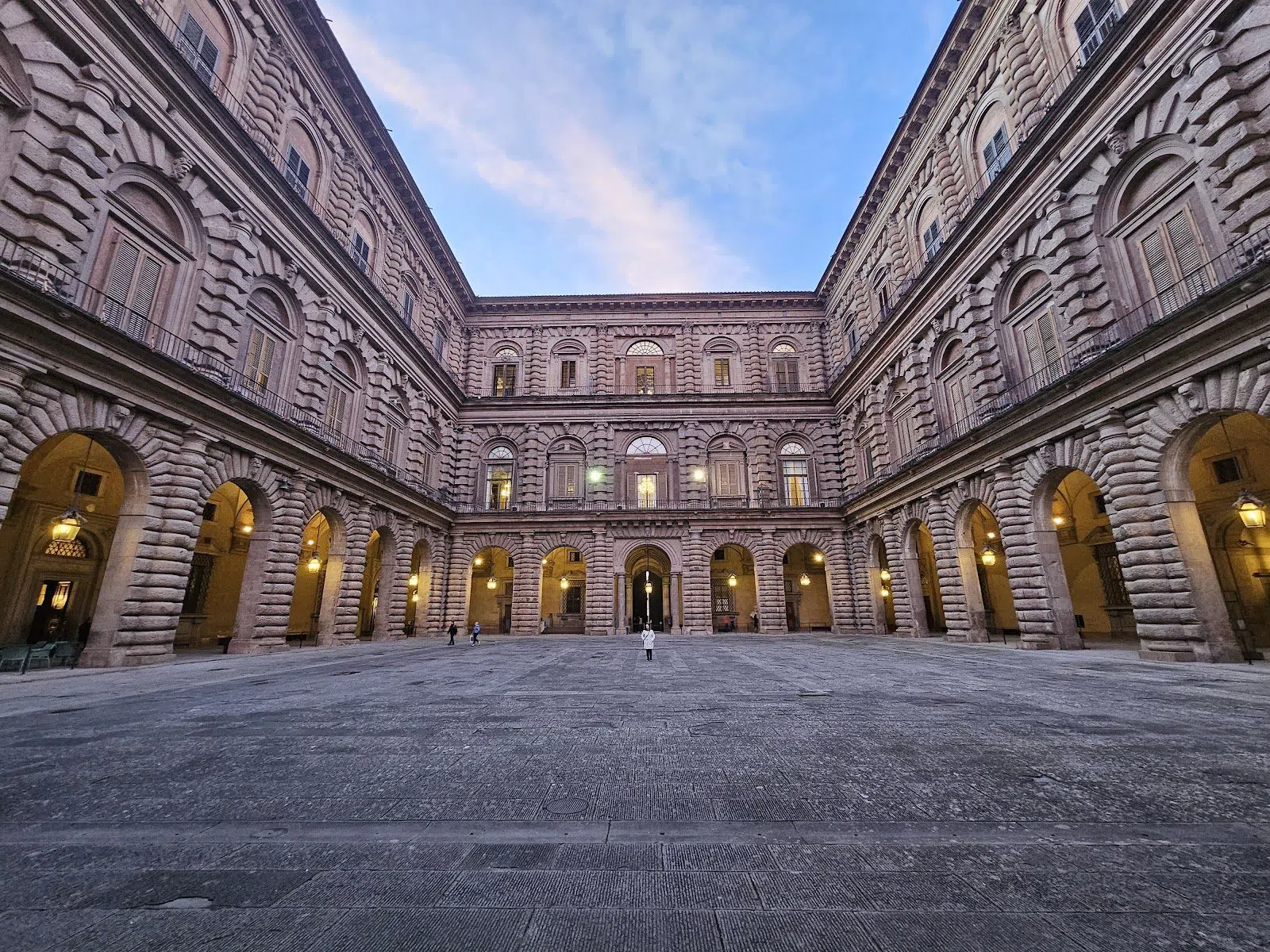
Three parts of the palace are shut for works through 2026. The Room of the Iliad, the Treasury mezzanine and the Music Room are all closed, and the top-tier ticket is priced for a complex that is not fully open. Ask which sections are running before you buy. Entry is €€, on advance timed booking, and the combined Pitti and Boboli ticket is the standard route through both.
Plan your Florence trip
Live prices from our booking partners.
Free cancellation on many rooms. We may earn a commission when you book.
The hillside above the garden
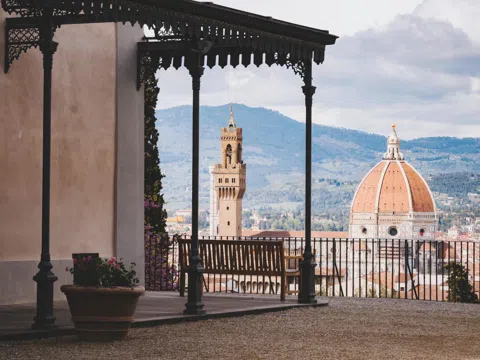
Villa e Giardino Bardini (the same hillside) is the steeper, quieter climb. A baroque stone staircase zigzags up the slope in flights, and a wisteria pergola runs 70 metres along the hill. The belvedere terrace at the top frames the dome of the Duomo and the tower of Palazzo Vecchio straight on.
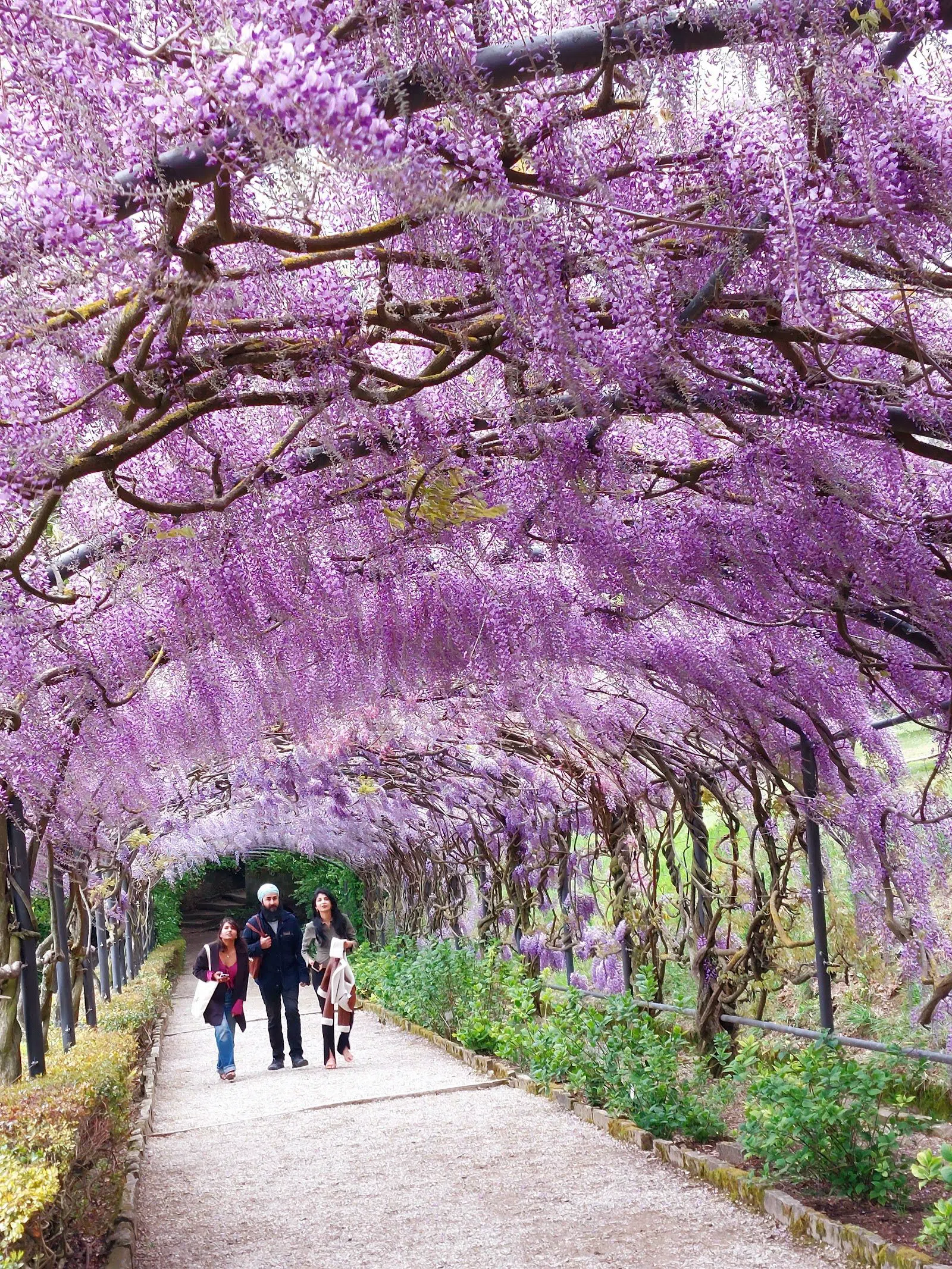
April is the month to climb it, when the pergola tunnel is in flower. The villa's exhibition rooms hold photography shows, and they are small. Book ahead. Entry is €€.
Forte di Belvedere (above Boboli) is Buontalenti's star-shaped bastion work in grey stone, with a plain white Medici palazzina standing alone in the middle of the grass. You walk the ramparts right round for a 360-degree sweep over the city and the Tuscan hills. Entry is €8, free for under-18s and students. Children under eight cannot go up on the bastion wallwalks.
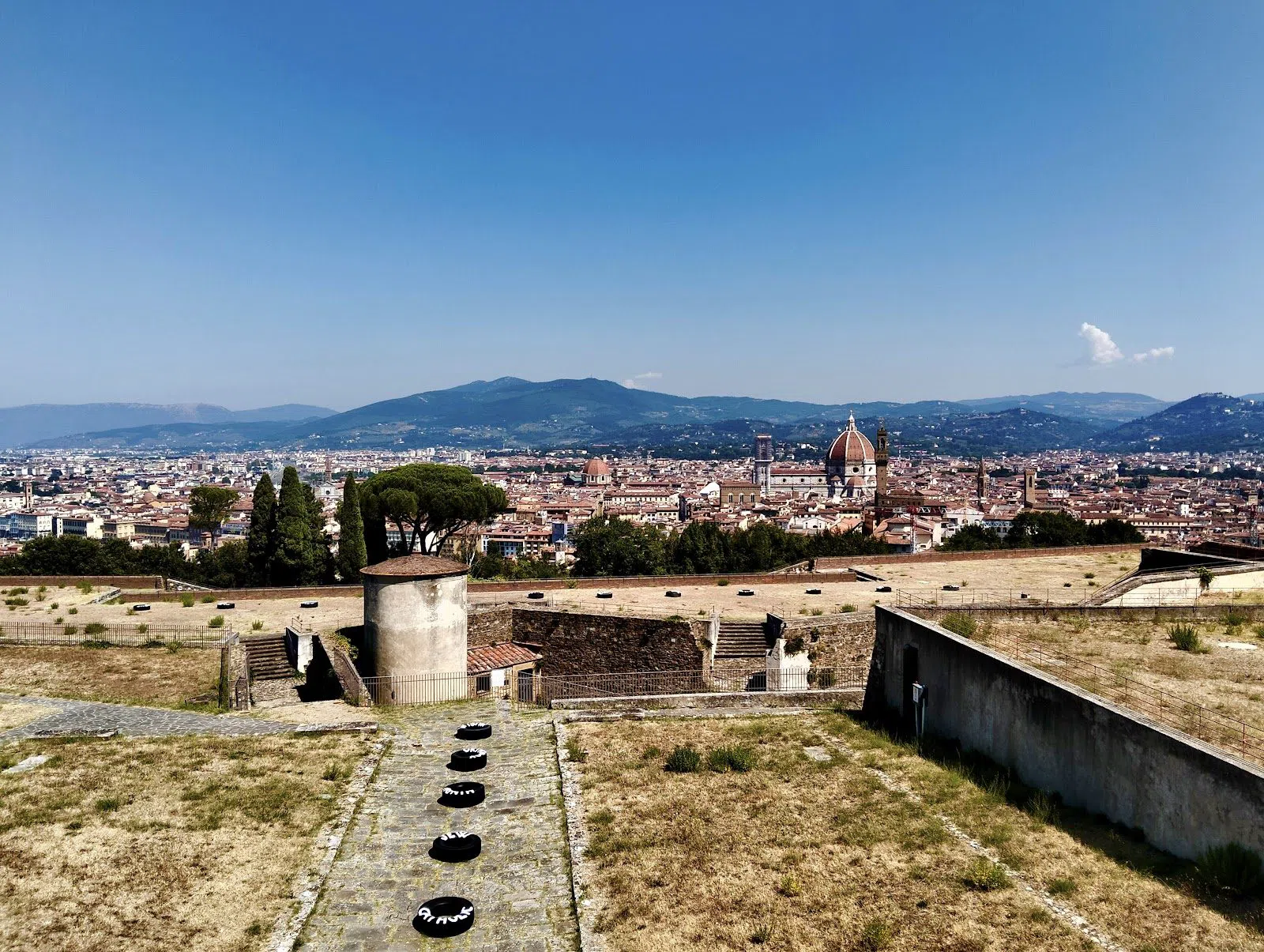
The fort is strictly seasonal. The 2026 season ran from 6 June to 16 October, and outside those dates you get the walls from the outside. Official guided tours run Friday to Sunday at 17:00 and 18:30 in season, the end of the afternoon on the ramparts.
Via Romana and the gate
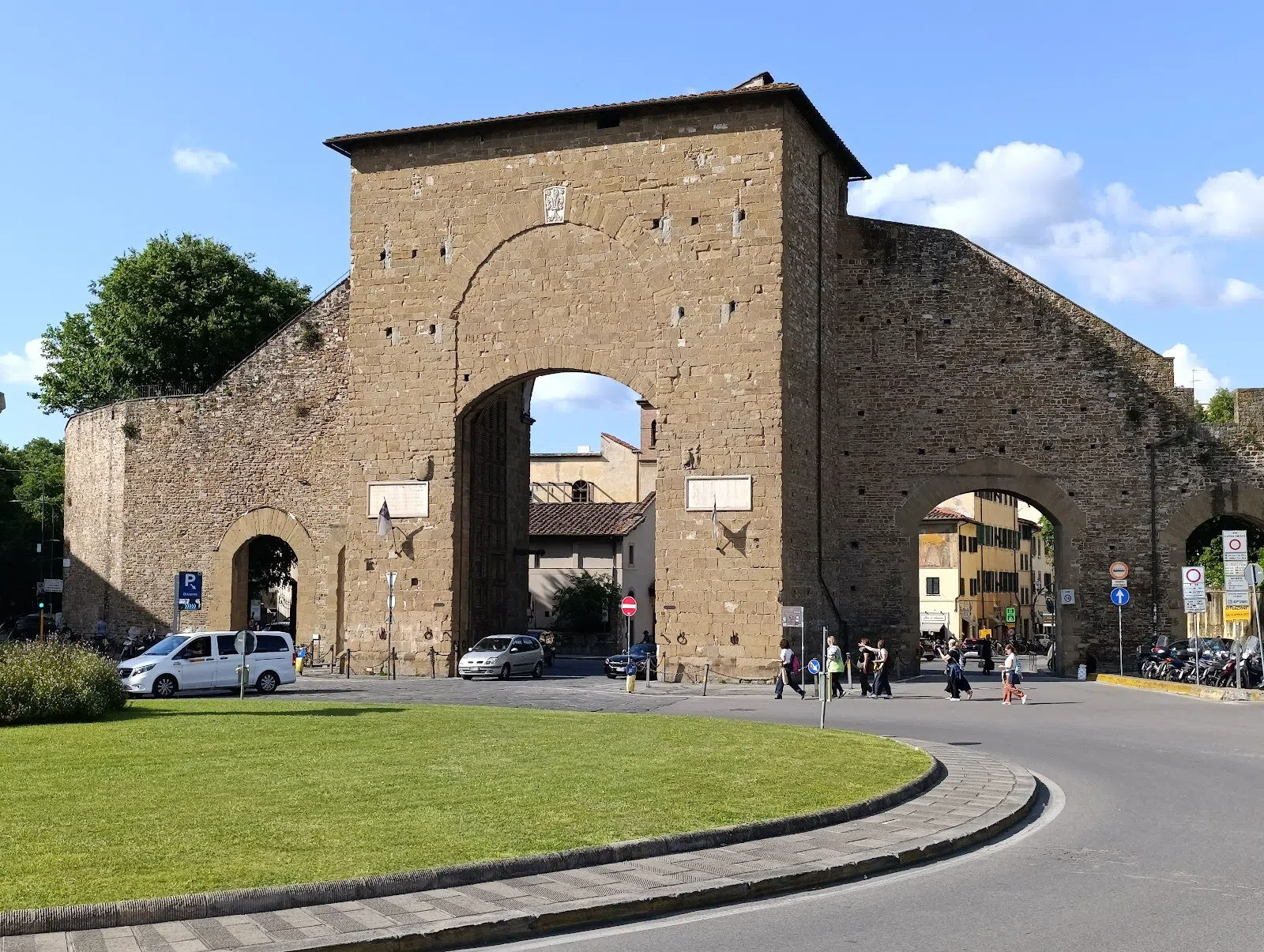
Porta Romana went up in 1326, a tall crenellated gate of brick and stone with a deep barrel archway. A faded Franciabigio Madonna sits in the lunette inside the arch. On the traffic island in front, Pistoletto's white marble Dietrofront balances a woman on a column. After Porta San Frediano this is the largest surviving stretch of the last medieval walls, and the street is free at any hour. Coach groups use the gate as the drop-off point for Boboli's back entrance.
Museo di Storia Naturale – La Specola (Via Romana) reopened after a long restoration. It is Europe's oldest public science museum, and it takes about an hour. Rosewood-and-glass cases of lifesize anatomical waxes fill the 18th-century university rooms, taxidermy covers the walls, a hippopotamus skeleton stands among it, and Galileo's Tribune sits under the old astronomical tower.
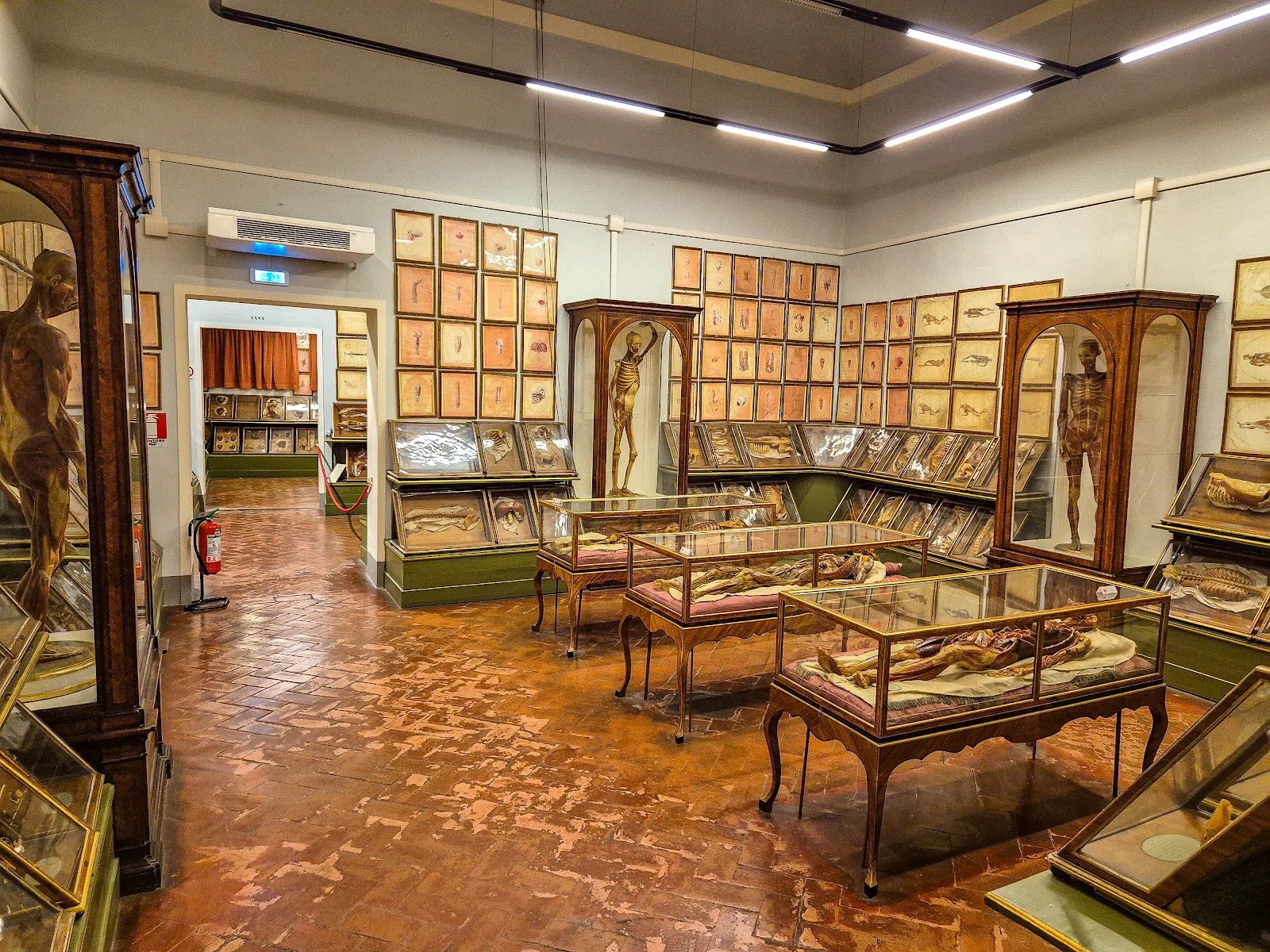
Clemente Susini's wax cadavers are strong material, so leave squeamish travellers and small children out of those rooms. The waxes and the tower Tribune are guided-only, on strict slot times and a small supplement. Reserve. Entry is €€.
Piazza San Felice
Casa Guidi (Piazza San Felice) is the first-floor apartment where the Brownings lived from 1847 until Elizabeth's death in 1861, 100 metres from Pitti. Green shutters open onto the street. Inside, the drawing room has been put back as a Victorian-Florentine interior, with gilt mirrors, dark patterned wallpaper and a marble bust of Elizabeth Barrett Browning.
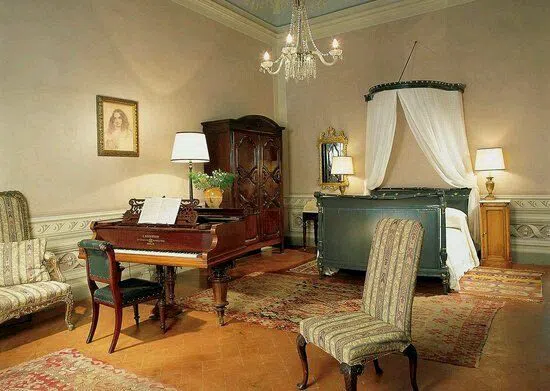
The window for seeing it is narrow. The apartment opens Monday, Wednesday and Friday, 15:00 to 18:00, from April to the end of November. Entry is free with donations and nobody takes bookings, so it works as an afternoon stop after the garden.
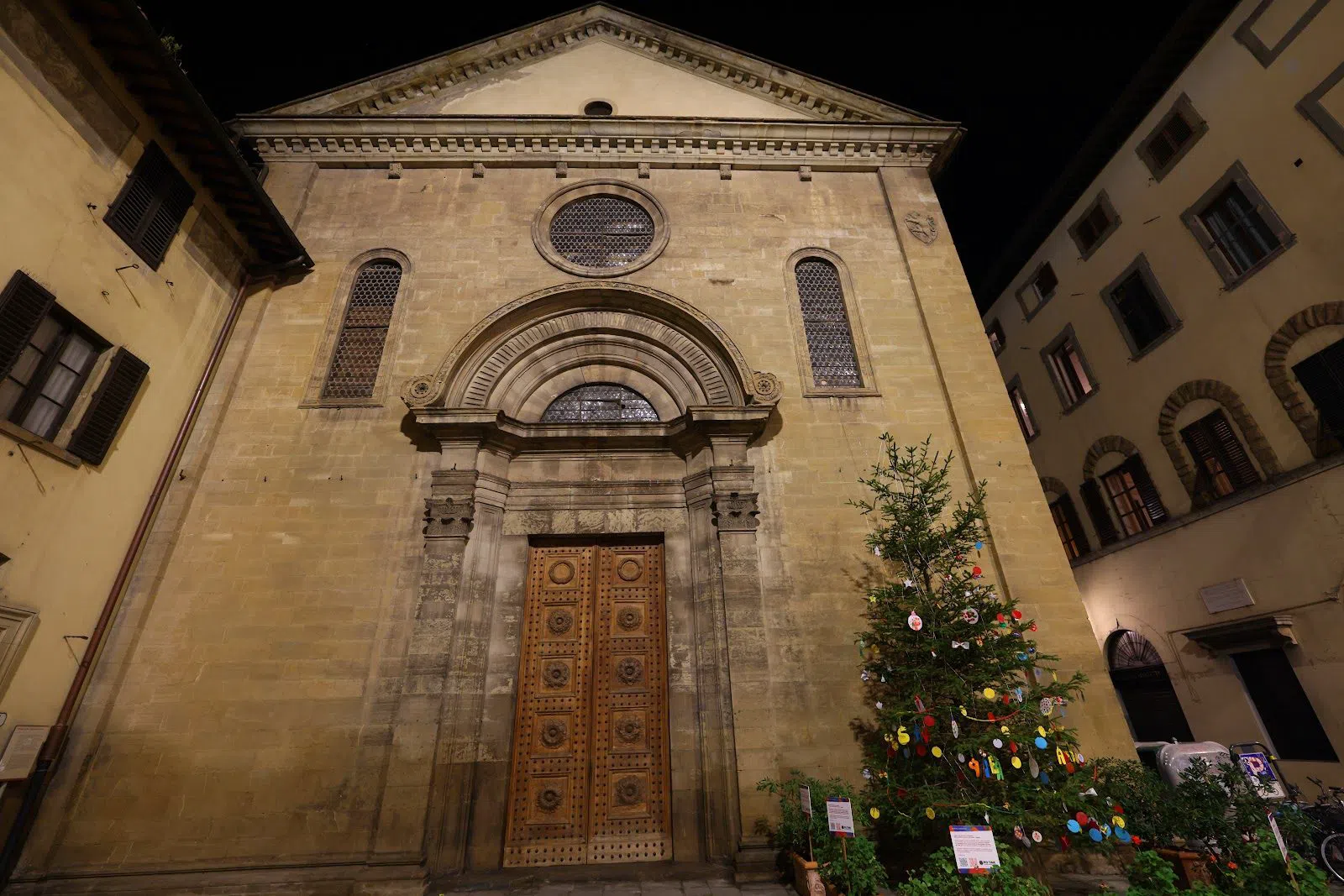
Chiesa di San Felice in Piazza (Piazza San Felice) stands two doors along, an austere flat Renaissance facade attributed to Michelozzo on the small square at the head of Via Romana. The nave inside is dim and single. A large painted wooden crucifix from Giotto's workshop, around 1308, hangs over the high altar. Entry is free. This is a working parish, so keep your voice down and stay outside Mass times.
Marbled paper opposite the palace
Giulio Giannini e Figlio (facing the Pitti facade) has bound books and marbled paper on this exact spot since 1856, now in the sixth generation. Hand-marbled sheets in swirled peacock patterns cover every surface, with leather-bound albums and bone folders stacked between them. The working bindery is on the floor above the shop.
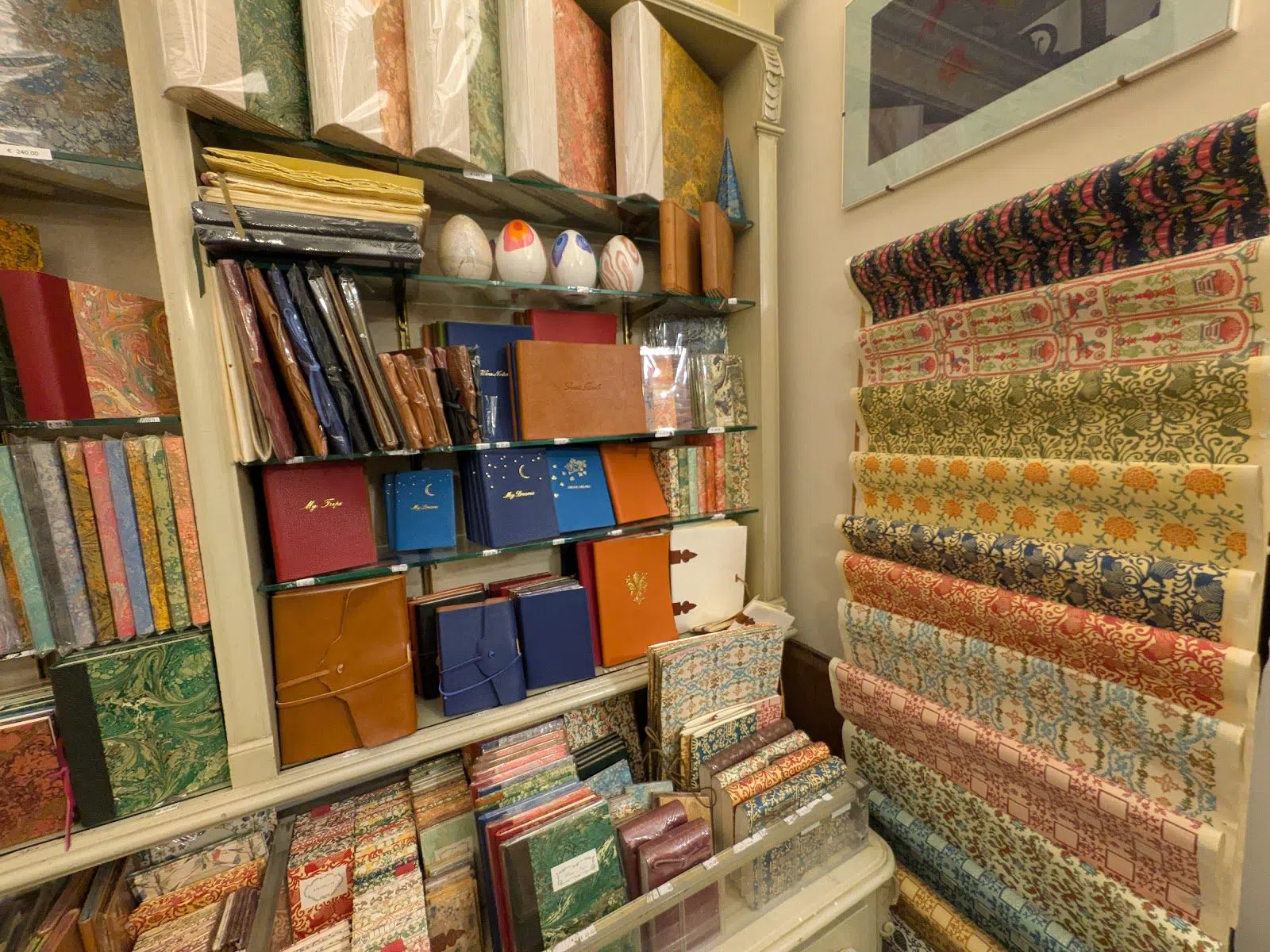
Prices run €–€€€, from a single sheet to a bound album. The shop arranges demonstrations and paper-marbling workshops in advance, for small numbers.
Wine and dinner
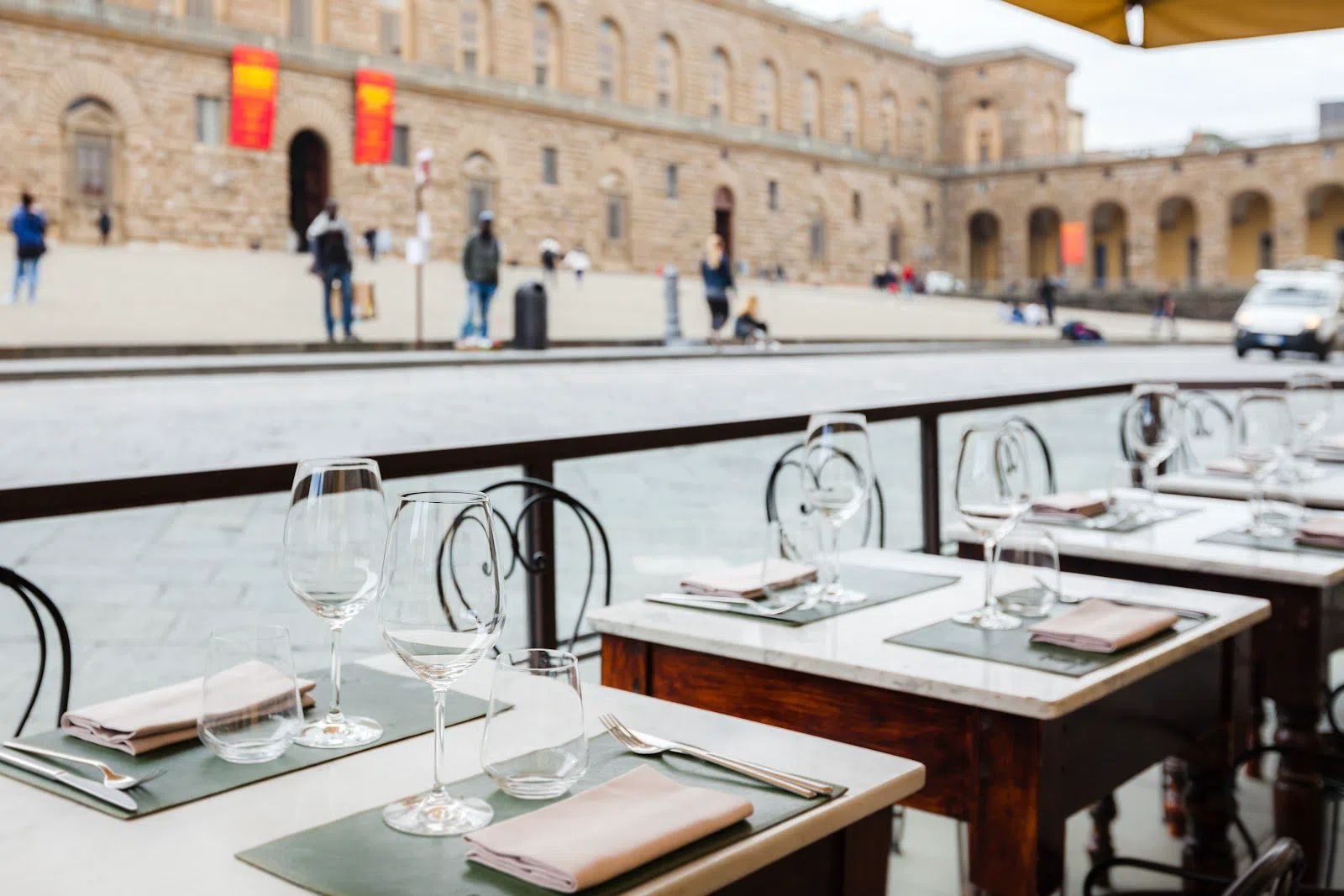
Enoteca Pitti Gola e Cantina (opposite Palazzo Pitti) pours small-producer Italian wine chosen by people who taste it, out of one narrow bottle-lined room with a few marble-topped tables. The pavement seats look straight across at the rusticated wall of the palace, and that is where to sit in the early evening. Pairs and fours walk in. Anything larger needs to call ahead and will most likely end up outside. Expect €€€.
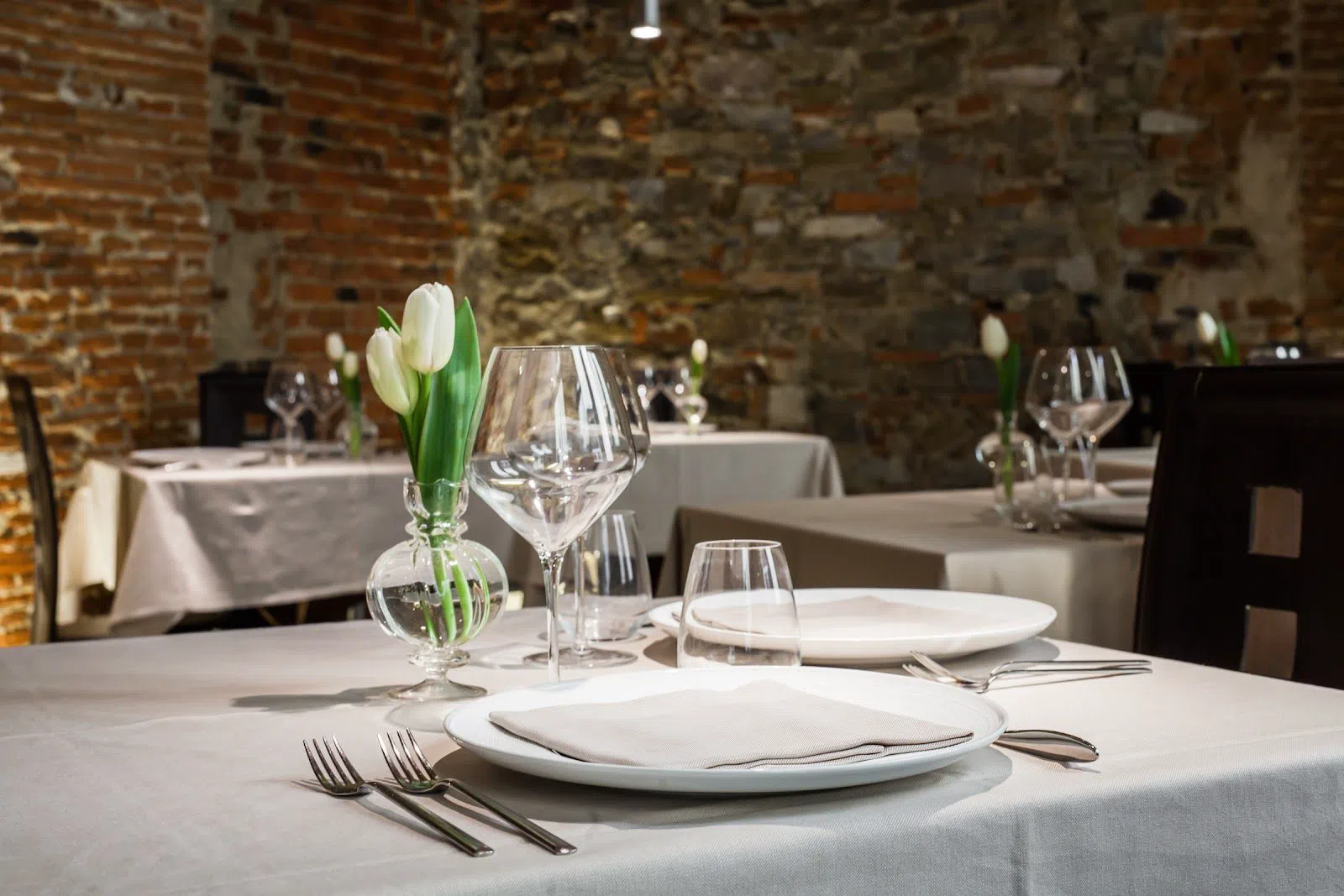
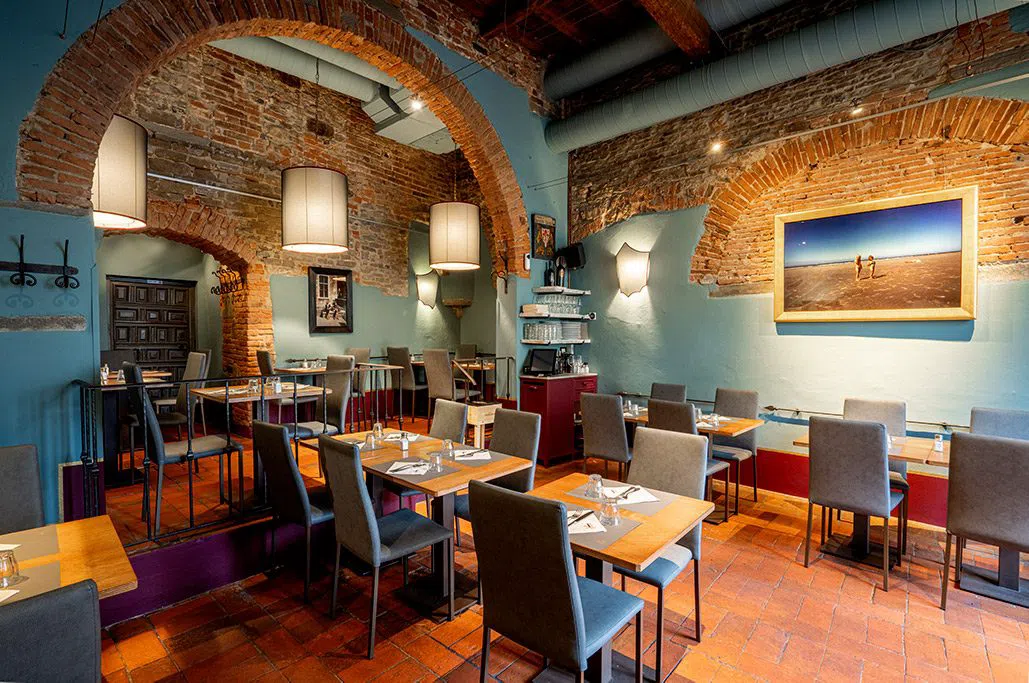
Osteria dell'Enoteca (Via Romana) is the grown-up dinner on the street, Nicola Chiappi cooking seasonal Tuscan food under a brick barrel vault with white tablecloths. A floor-to-ceiling wine wall does the work of a printed list. Dinner starts at 18:30 daily, lunch runs Friday to Sunday only, and the kitchen is closed on Tuesdays. With 40 covers, you book or you don't eat. Expect €€€.
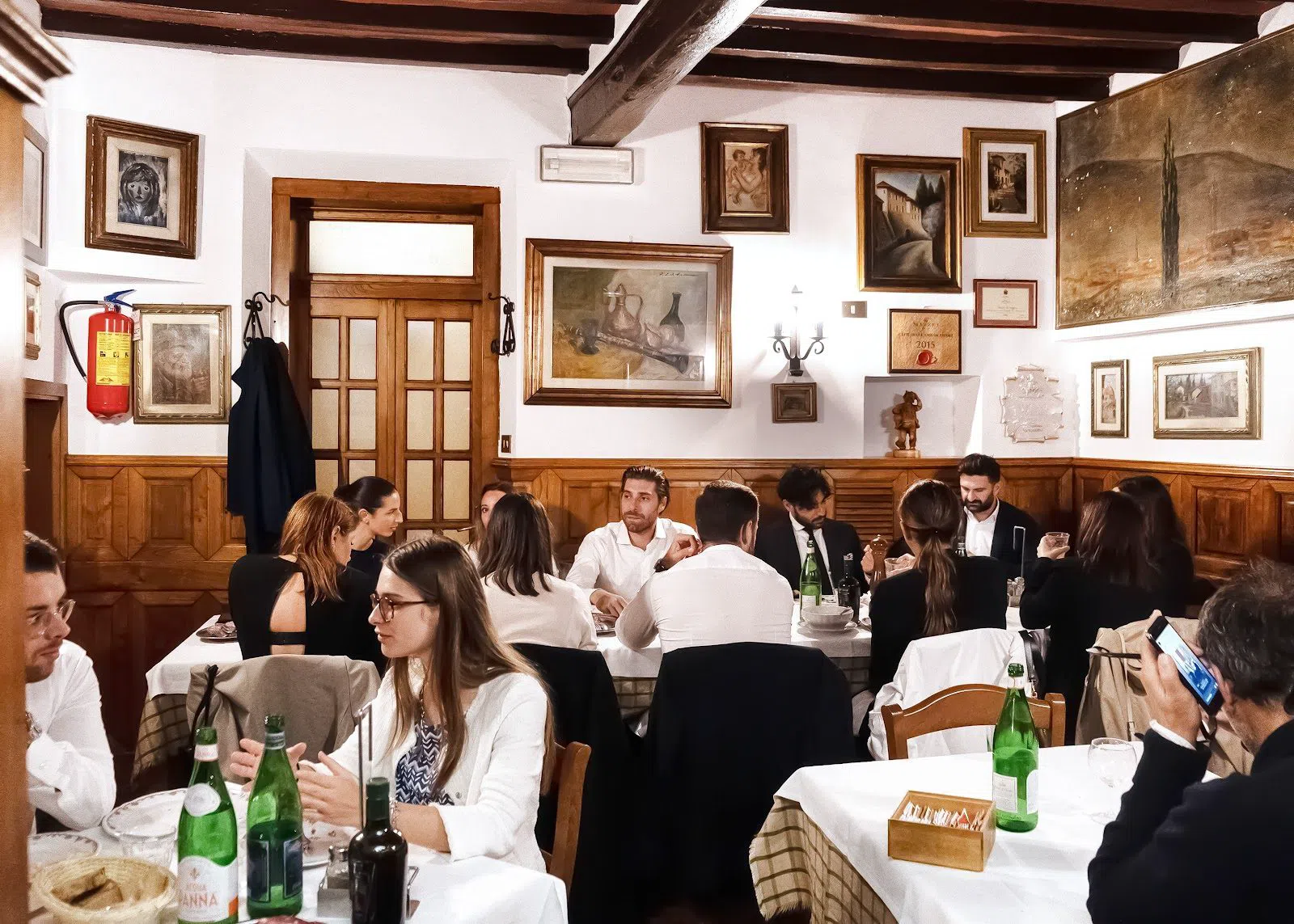
Trattoria Da Ruggero (Via Senese) is 300 metres beyond the Porta Romana arch, one small wood-panelled room with paper-covered tables. The menu is handwritten and cash is welcome. They bring the Florentine T-bone out raw to the table before cooking it. It opens Monday and Thursday to Sunday, and closes Tuesday and Wednesday. Book well ahead. Expect €€.
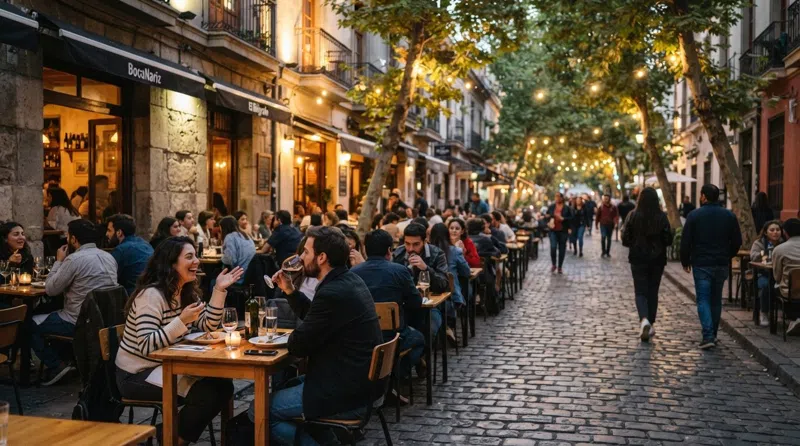
Trattoria 4 Leoni (Piazza della Passera) spreads white umbrellas and wooden tables across the small stone square, with lanterns once it gets dark. The plate to order is pear-and-pecorino ravioli in saffron cream, and the bistecca earns its reputation too. The square fills with visitors at peak hours. Book several days ahead in season for a table indoors or out. Expect €€.
Where to sleep
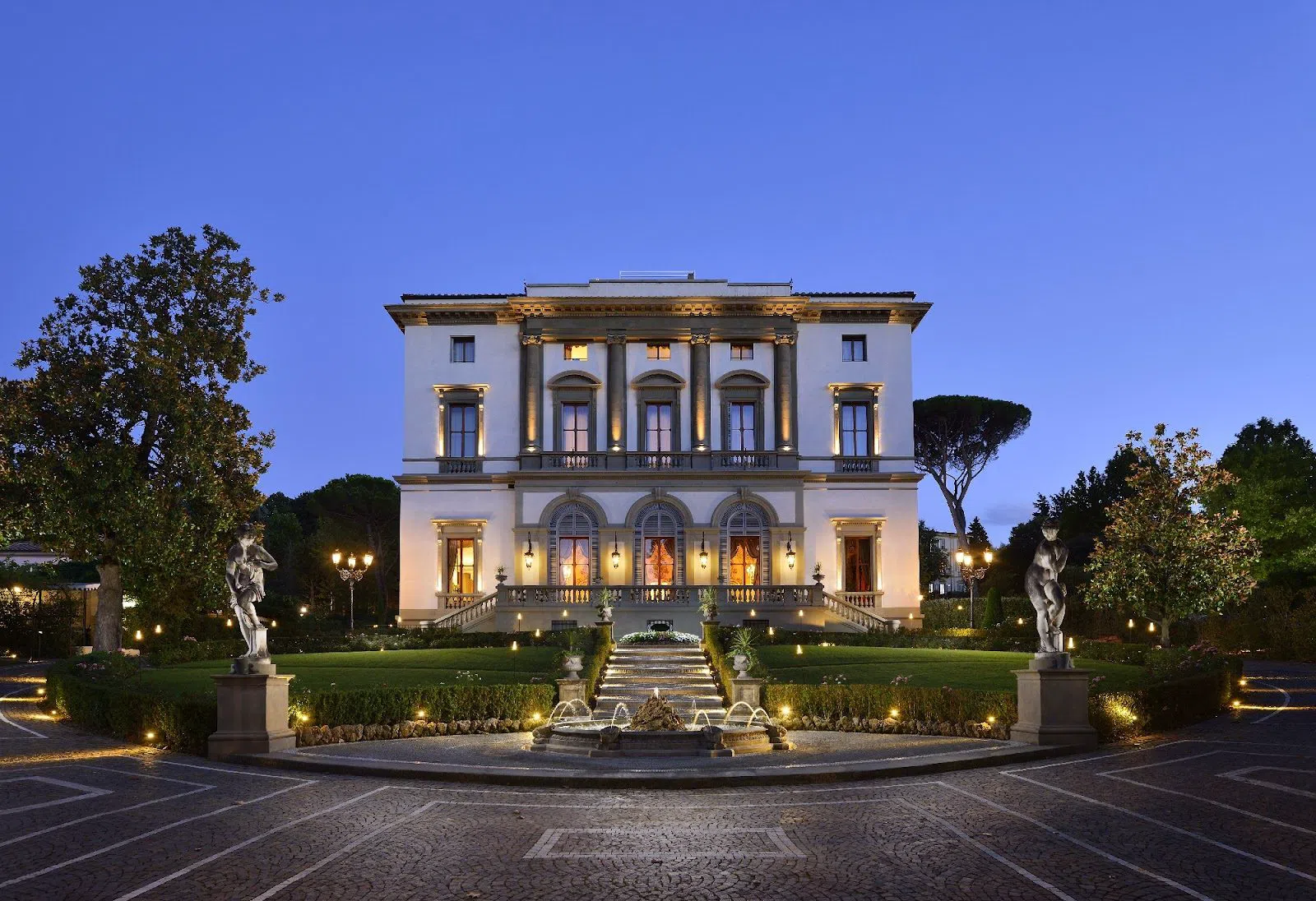
Villa Cora (Viale Machiavelli) is an 1860s white neoclassical villa standing in a walled park of centuries-old oaks and roses on the leafy Viale dei Colli, just above Porta Romana. A Moorish frescoed ballroom runs through the ground floor, a heated outdoor pool sits below, and the Bellevue roof terrace looks over Boboli to the Duomo. Non-guests can book the rooftop bar and Le Bistrot, dressed smartly. A free shuttle covers the run into town. Expect €€€€.
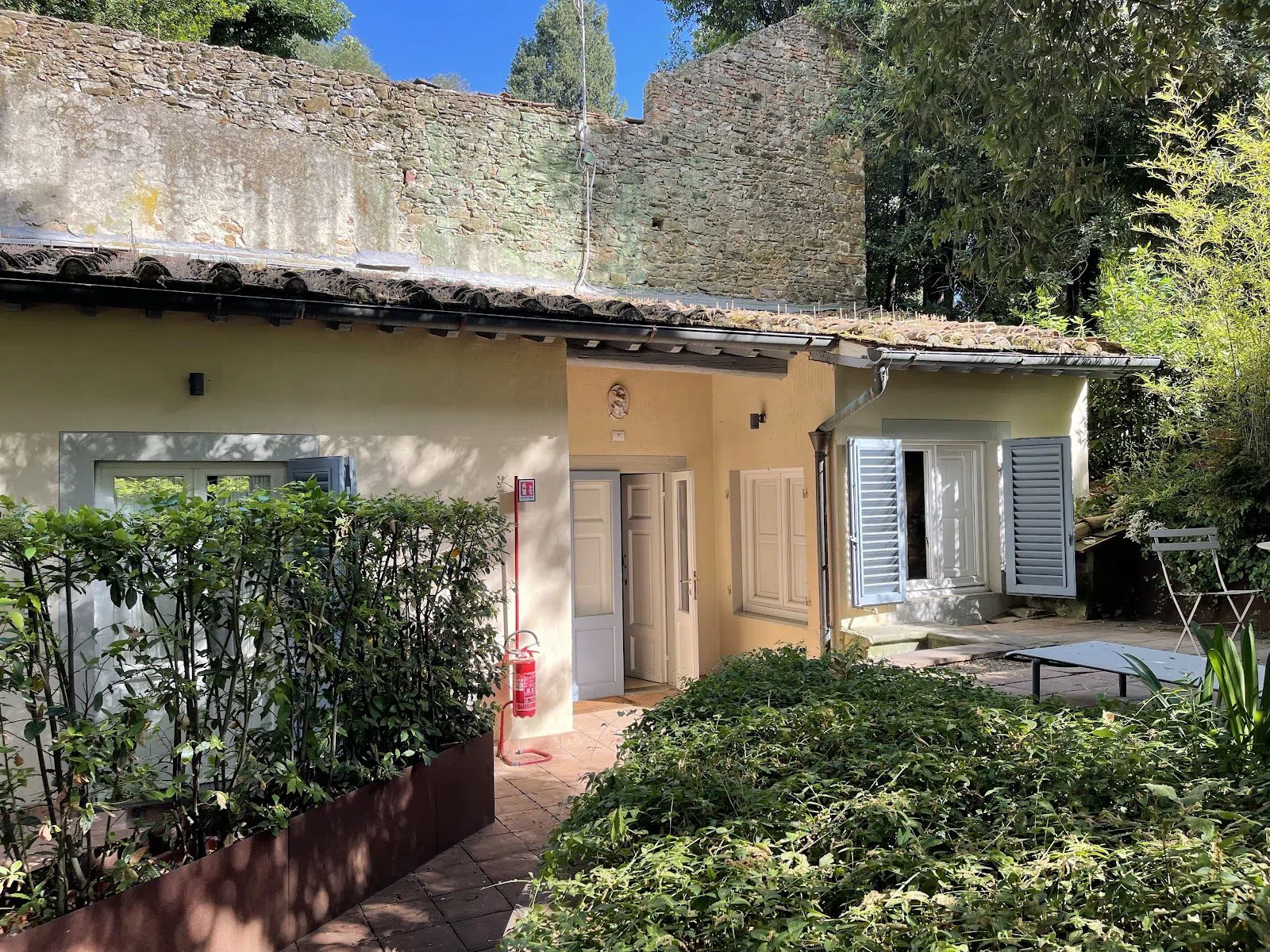
AdAstra (in the Torrigiani park) takes two floors of a 19th-century mansion wrapped by Europe's largest private walled garden, 10 minutes on foot from Pitti. The rooms have huge shuttered windows, mismatched antiques and oversized headboards, and the long terrace looks across the lawns to the neo-Gothic torrino tower. Guests cannot roam the garden itself, so the terrace is the reason to book here. Expect €€€.
Dates to work around
Forte di Belvedere shuts for the winter after mid-October, Casa Guidi opens three afternoons a week from April to the end of November, and Osteria dell'Enoteca closes on Tuesdays while Da Ruggero closes Tuesday and Wednesday. Reserve the restaurants before you travel and check which Pitti rooms are open.
See the Florence guide and the Florence hotel search.
Before you go
Is the Boboli garden open every Monday?
No. Giardino di Boboli closes on the first and last Monday of each month, so check the date before you build a morning around it. Entry is €€, and guided groups have to book a timed slot.
Is the full Palazzo Pitti open in 2026?
No. The Room of the Iliad, the Treasury mezzanine and the Music Room are shut for works through 2026. The Palatine Gallery, Modern Art, Costume and Fashion, the Treasury of the Grand Dukes and the Russian Icons are open as usual. Ask what is open before you pay the top-tier price.
Can you visit Forte di Belvedere outside summer?
Only from the outside. The 2026 season ran from 6 June to 16 October. In season, entry is €8, free for under-18s and students. Guided tours run Friday to Sunday at 17:00 and 18:30. Children under eight are not allowed on the bastion wallwalks.
When is Casa Guidi open and does it cost anything?
Monday, Wednesday and Friday, 15:00 to 18:00, April to the end of November. Entry is free with donations, and they take no bookings. The rooms are small, so large coach groups should split.
Where can a group eat near Palazzo Pitti?
Trattoria 4 Leoni on Piazza della Passera takes groups indoors and out, and in season you should book several days ahead. Enoteca Pitti Gola e Cantina is one narrow room. Pairs and fours can walk in; larger parties need to call ahead and usually end up on the pavement.