The Florence issue
Florence in September Without the Two-Hour Queues
Almost every major sight in Florence now sells a timed slot, so whether your morning works comes down to a booking made weeks before you fly.

By Élodie FournierFlorence beyond the Uffizi queue
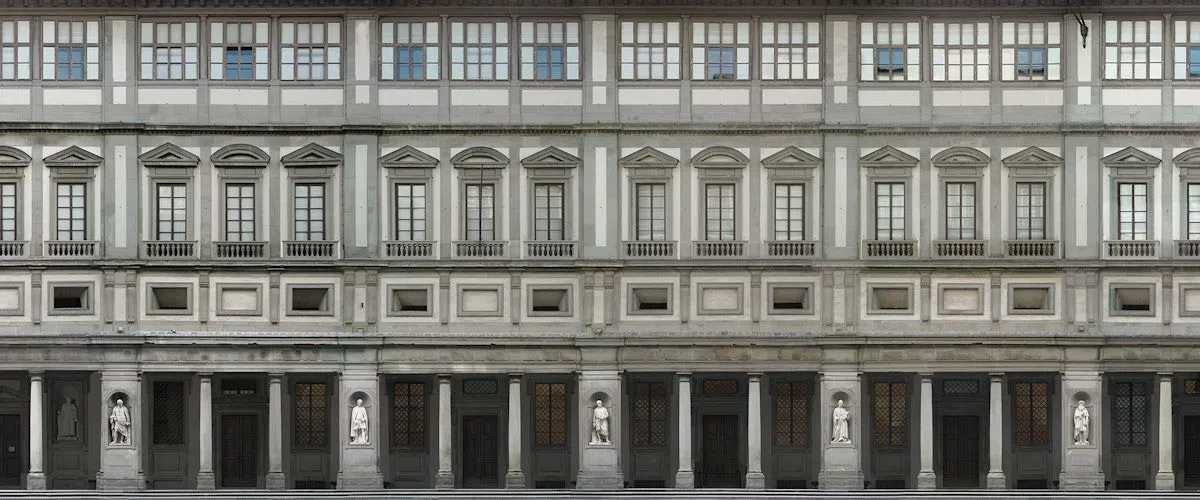
September in Florence arrives with the shutters still down at eight and the light already flat and white on the stone. By half past nine the line outside the Accademia has folded back on itself along Via Ricasoli; by eleven the one on Piazzale degli Uffizi is doing the same thing beside the river, in full sun, with no shade until three. Almost none of that waiting is compulsory. Nearly every significant door in this city now sells a timed slot, which means the difference between a lost morning and a good one is a decision made weeks earlier, at a desk, somewhere else entirely.
The three doors to book before you fly
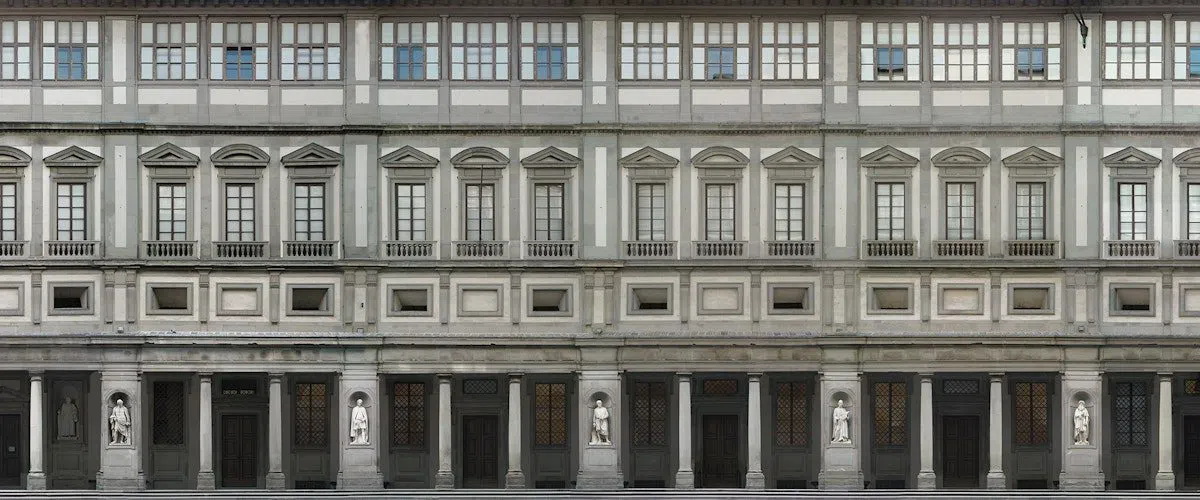
Galleria degli Uffizi (Piazzale degli Uffizi, on the riverbank beside Piazza della Signoria) has no walk-up line worth joining, because every ticket carries a time on it. Same-day admission runs €25 and an advance booking €29, the rare case where planning ahead costs more. Pay the extra four euros and treat it as rent on your morning. Book the slot, not the day: a Tuesday ticket with no hour attached does not exist here. In September the Tuesday and Wednesday evening openings run to 22:00, and after about eight the rooms genuinely empty, the Botticelli room has floor space again, and the corridor windows go violet over the Arno while the security staff start their slow drift towards the exits. Entry after 16:00 drops to €16 on site or €20 online, which is the cheapest serious art in the centre. The Vasari Corridor is an add-on to the same ticket at €43 or €47 rather than a separate visit, so decide at checkout, because you cannot bolt it on at the turnstile.
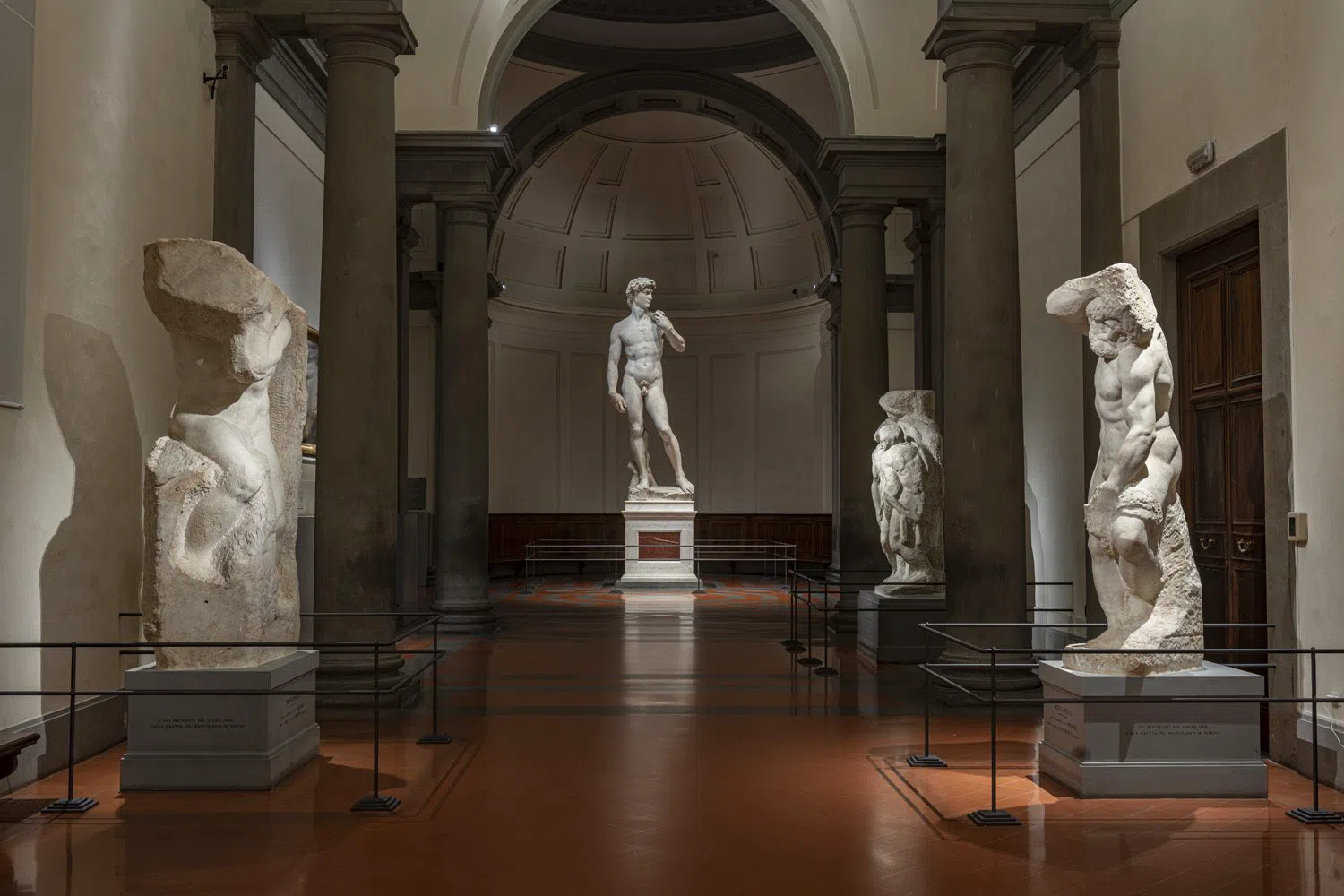
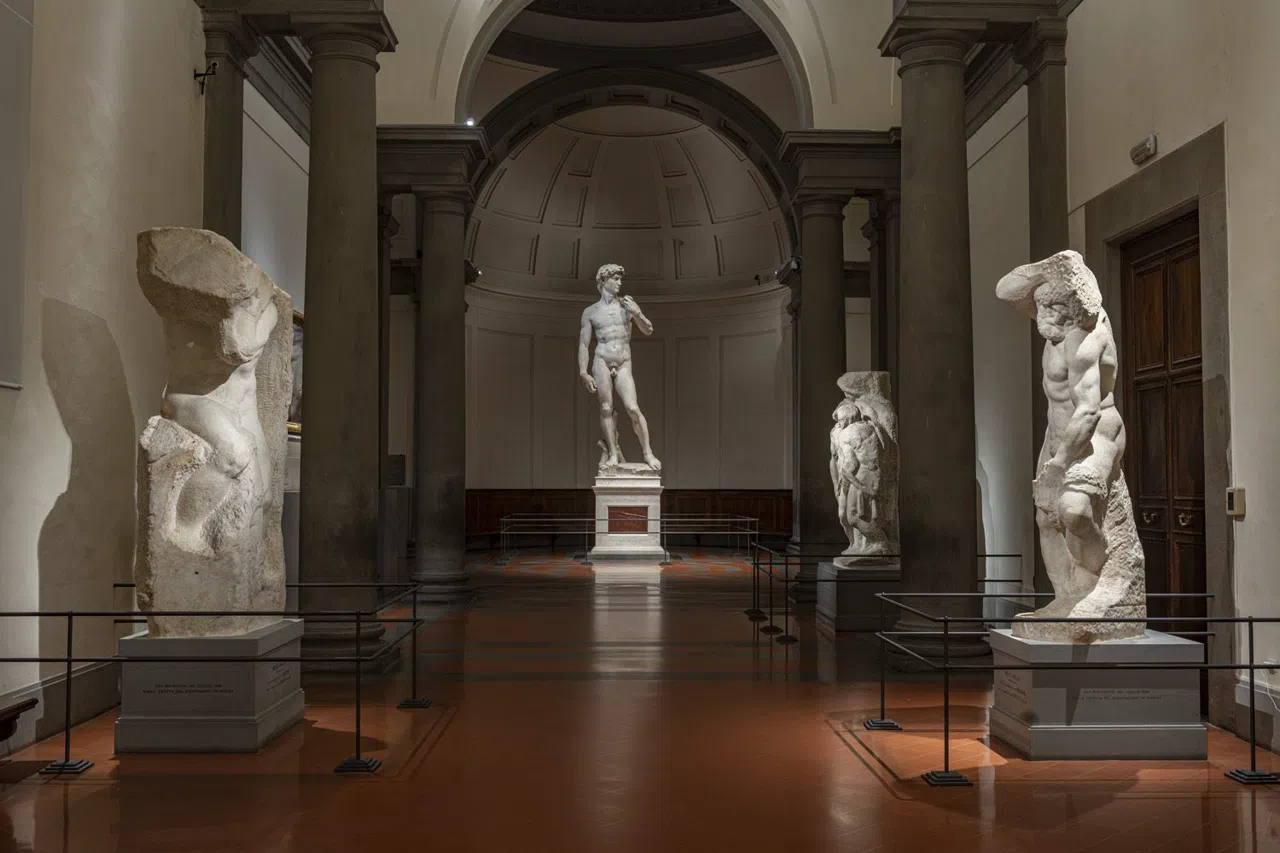
Galleria dell'Accademia di Firenze (Via Ricasoli, in the San Marco quarter) is the most queue-prone door in Florence attached to one of its smallest buildings. The €16 walk-up ticket genuinely exists and genuinely sells out, usually by mid-morning in September. Booking ahead costs €20, of which €4 is the reservation fee, and that €4 is the cheapest insurance you will buy on this trip. If the Bargello is also on your list, the €26 combined ticket covers both and stays valid 48 hours. Allow an hour inside and no more. The David is why you came, and the tribune around it is smaller than the photographs suggest.
Complesso Monumentale del Duomo (Piazza del Duomo) sells one pass across five monuments and then complicates it in exactly one place. The Brunelleschi Pass is €30 and valid three days for all five; the Giotto Pass is €20; the Ghiberti Pass €15. Only the dome climb is locked to an exact date and an exact start time, and in September those slots go weeks ahead. Book the dome first and build the rest of the trip around whatever hour you are given. It is 463 steps with no lift, and there is a stretch near the top where the shell curves and you climb at an angle with the inner wall against your shoulder. The cathedral nave itself is free and has its own separate queue, which is the one line in Florence you cannot book your way out of. Join it at opening or leave it for a late-afternoon walk-past.
Plan your Florence trip
Live prices from our booking partners.
Free cancellation on many rooms. We may earn a commission when you book.
Evenings when the rooms empty out
September's advantage is that the summer evening hours are still running. The weather is not the draw: the first fortnight still hits the high twenties by three in the afternoon. Treat the middle of the day as the part you spend indoors somewhere cool and unbooked, and push the headline sights to the end of it.
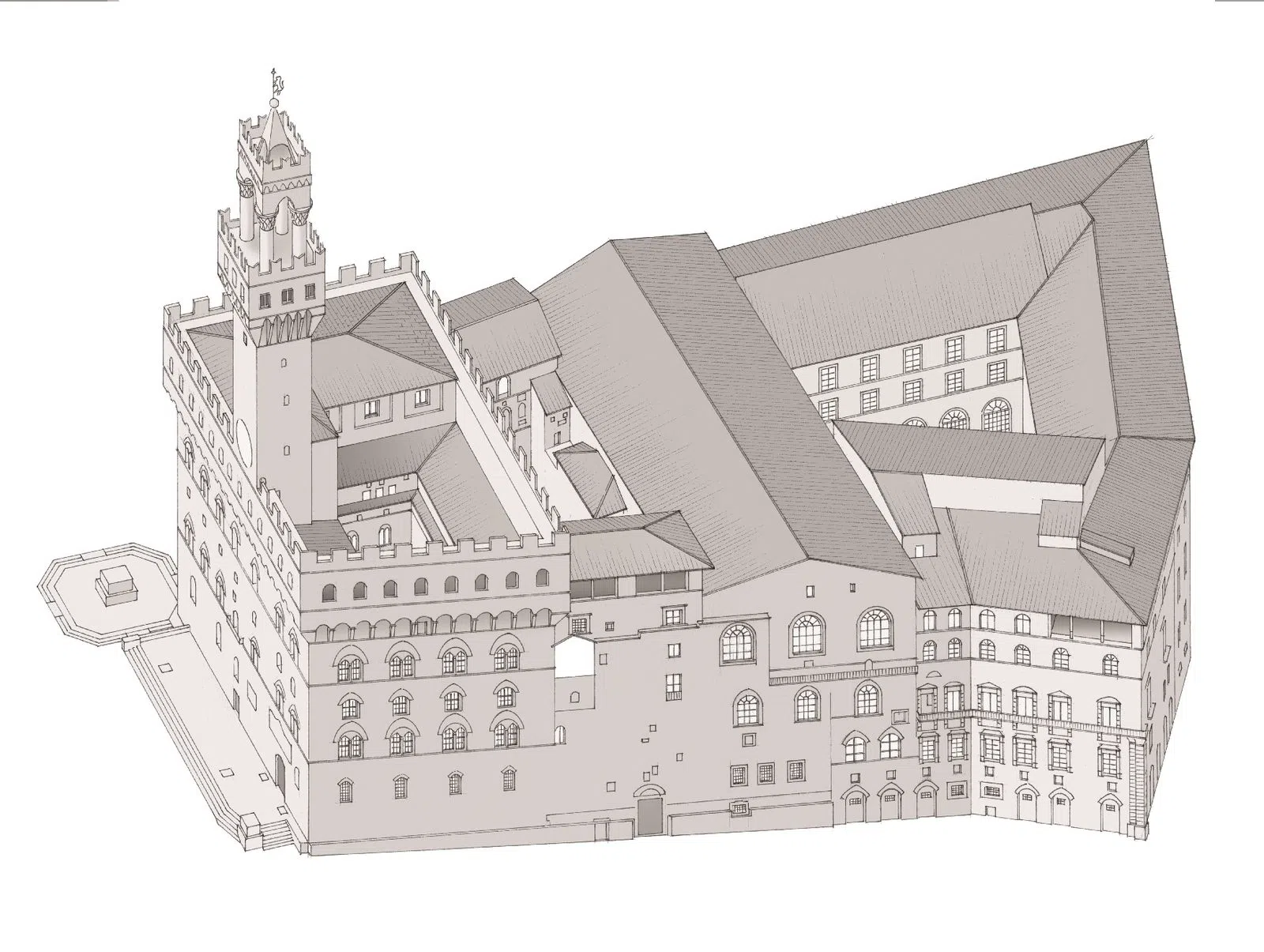
Museo di Palazzo Vecchio (Piazza della Signoria) stays open to 23:00 most evenings from April to September, and the building at nine at night, when the Salone dei Cinquecento is lit and half empty, is a different experience from the same room at noon. Online tickets carry a time slot and a priority line; the ticket office queue can run past two hours in high season, which is a long time to stand on a square with no shade. The museum is around €18, €12 reduced, with the tower and combined tickets priced separately. The Arnolfo Tower is capped at small numbers per slot, fine for two and awkward for ten; a party that size should either stagger the climb across slots or skip it and spend the time in the Studiolo instead.
Museo Novecento (Piazza Santa Maria Novella) opens at 11:00 and runs to 20:00, costs €13 full and €9 reduced, and closes on Thursdays. It is the room to reach for when the Renaissance starts to blur. The permanent collection is away on loan until 20 September 2026, so check what is actually hanging before you cross the square.
Small rooms with hard caps
Some of the best half-hours in Florence are sold in fragments, and the fragment is the point, since a cap on numbers is why the room is bearable.
Cappella Brancacci, in the Complesso di Santa Maria del Carmine (Piazza del Carmine, Oltrarno), admits about 30 people per slot for a maximum of 30 minutes, at roughly €10 to €14. You cannot simply turn up, and for organised groups booking is mandatory. What you get for the constraint is Masaccio without a scrum, which is not something the Accademia can offer at any price. The complex added the Sala della Colonna as a permanent space in February 2026, and the chapel closes on Tuesdays.
Palazzo Medici Riccardi (Via Cavour, San Lorenzo) sits five minutes from the Duomo and almost never has a line, because its centrepiece is rationed rather than queued. Benozzo Gozzoli's Magi Chapel takes about ten people at a time for five minutes. Accept the five minutes; go in knowing which wall you want (the procession on the east, the hunting dogs, the cypresses stacked like scenery) and you will not waste them. Entry is roughly €10 to €16 with a €1.50 fee to book online.
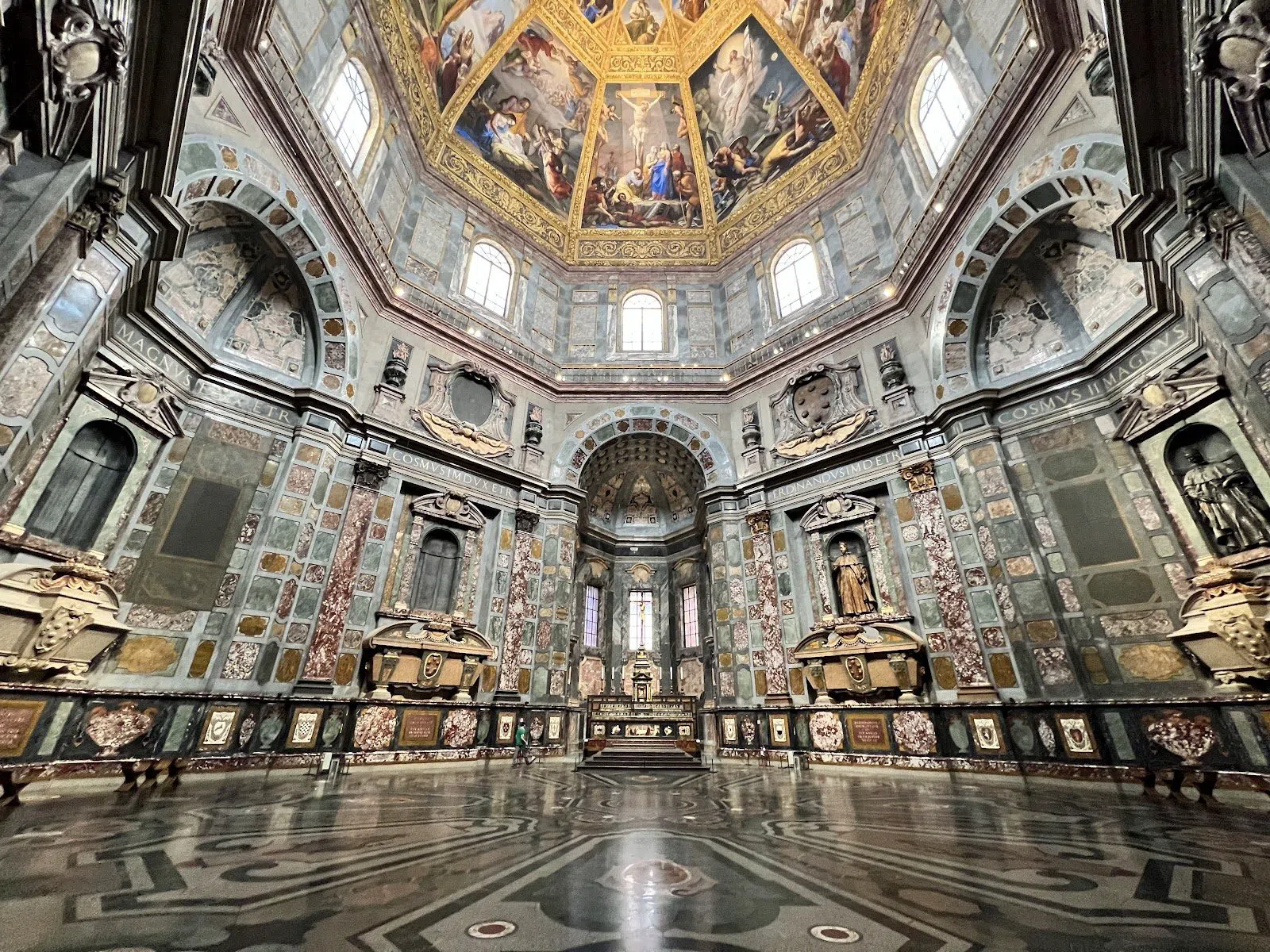
Museo delle Cappelle Medicee (San Lorenzo) gives you Michelangelo as architect and sculptor in a single room, at around €9 to €15, and it is included in the €38 five-museum 72-hour pass. The catch is the calendar rather than the crowd: it shuts on the second and fourth Sunday and on the first, third and fifth Monday of each month. Write the actual dates on your plan, not the rule.
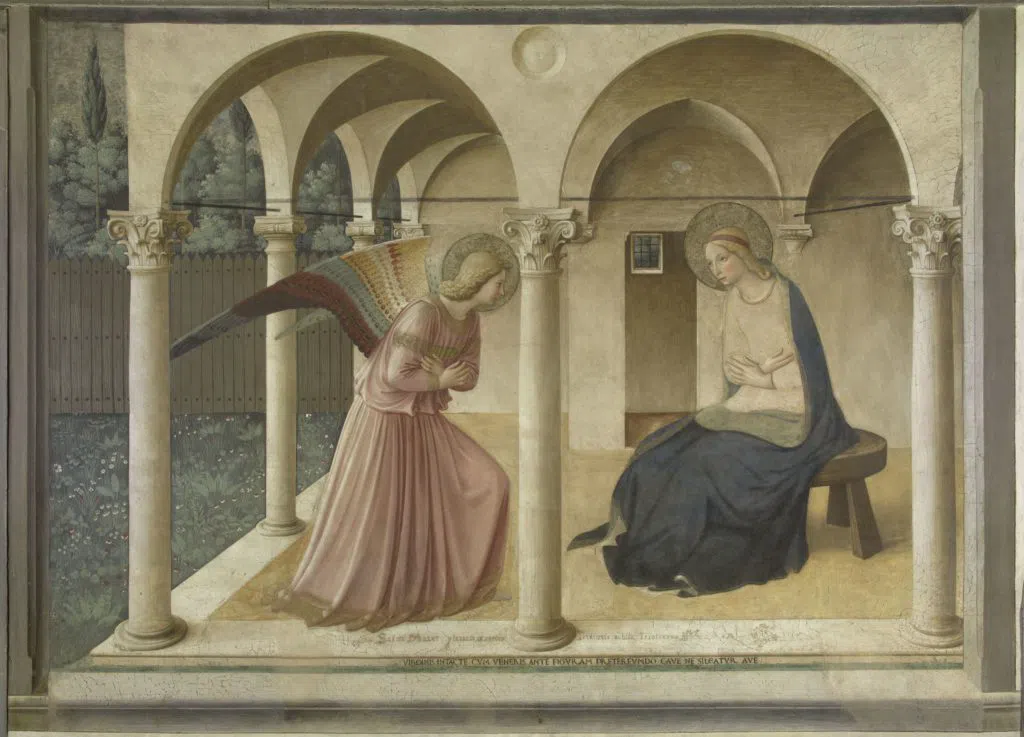
Museo di San Marco (Piazza San Marco, a two-minute walk from the Accademia) is €11 full and €2 reduced, and for that you get Fra Angelico painted directly onto the walls of the friars' cells, one small annunciation after another in the corridor light. It closes at 13:50 with last entry at 12:45, so it only ever works as a morning stop, and it shuts on Mondays plus the fifth Sunday of the month. Pair it with the Accademia in one early block and you have done the San Marco quarter before lunch.
The doors you can still just open
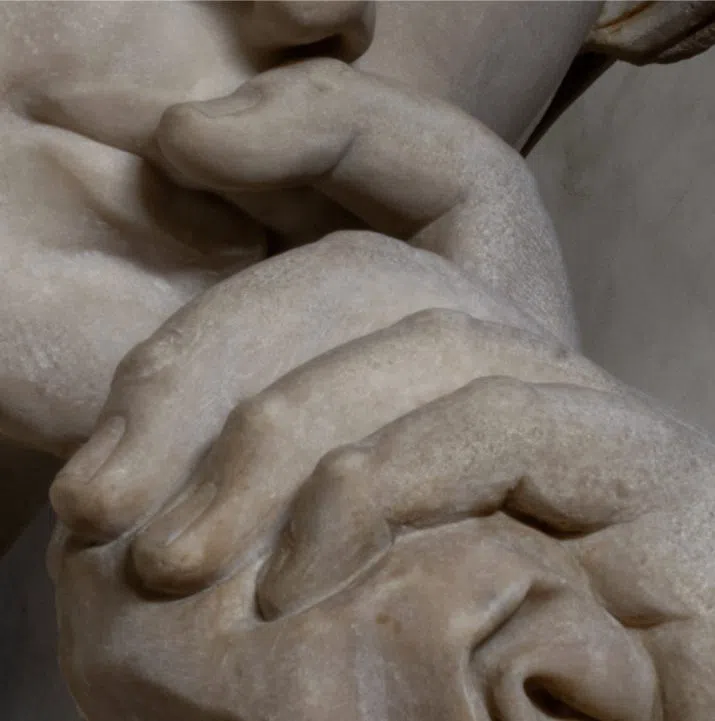
Museo Nazionale del Bargello (Via del Proconsolo, between the Duomo and Piazza della Signoria) holds the sculpture collection that makes sense of everything you have already seen: Donatello's David, Verrocchio, and the two rival Baptistery competition panels hung so you can argue about them properly. It is €12, it runs to 18:50 Tuesday to Sunday under the hours introduced in March 2026, and it is usually a walk-in even in September. There is more room per visitor here than anywhere else in the centre.
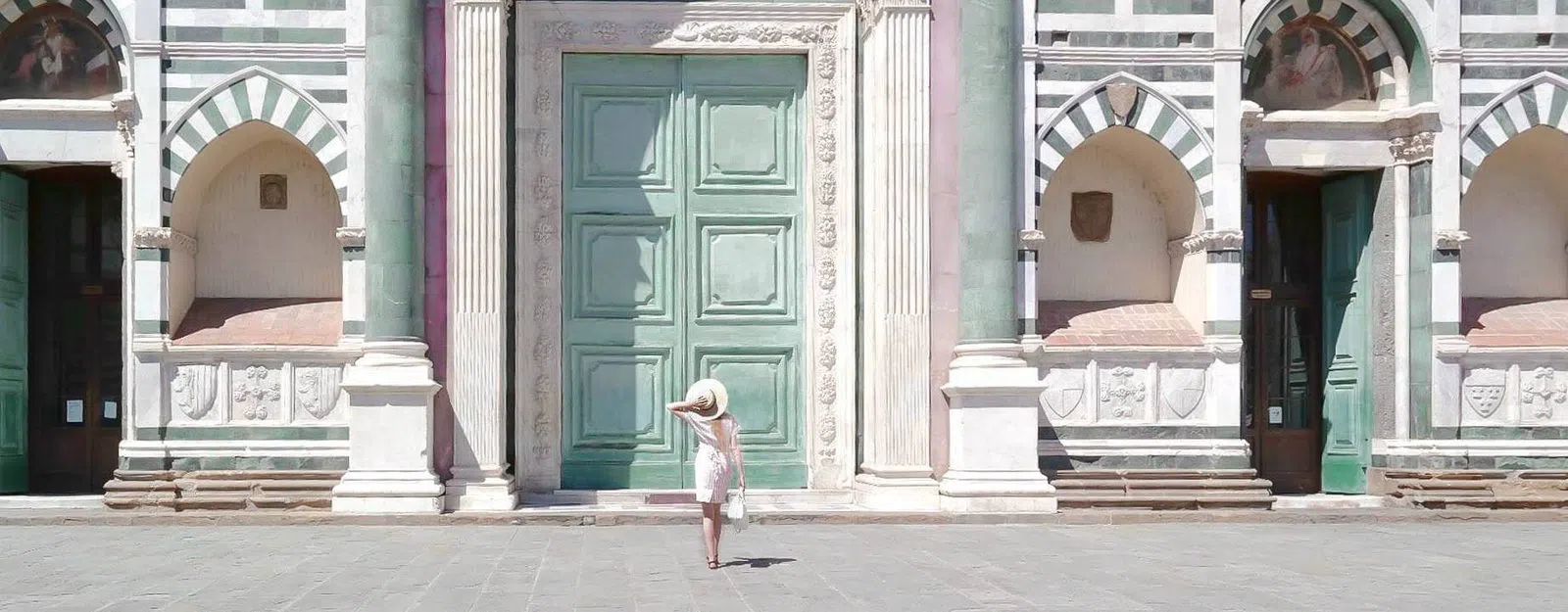
Complesso di Santa Maria Novella (immediately behind the station, at €7.50 to €10) is one of the few first-rank sights you can still reasonably walk into. Pin it to your arrival day, since it is two minutes from the platforms and you will be carrying nothing but a jacket. Opening shifts to 11:00 on Fridays and 13:00 on Sundays, which catches out anyone treating it as a filler.
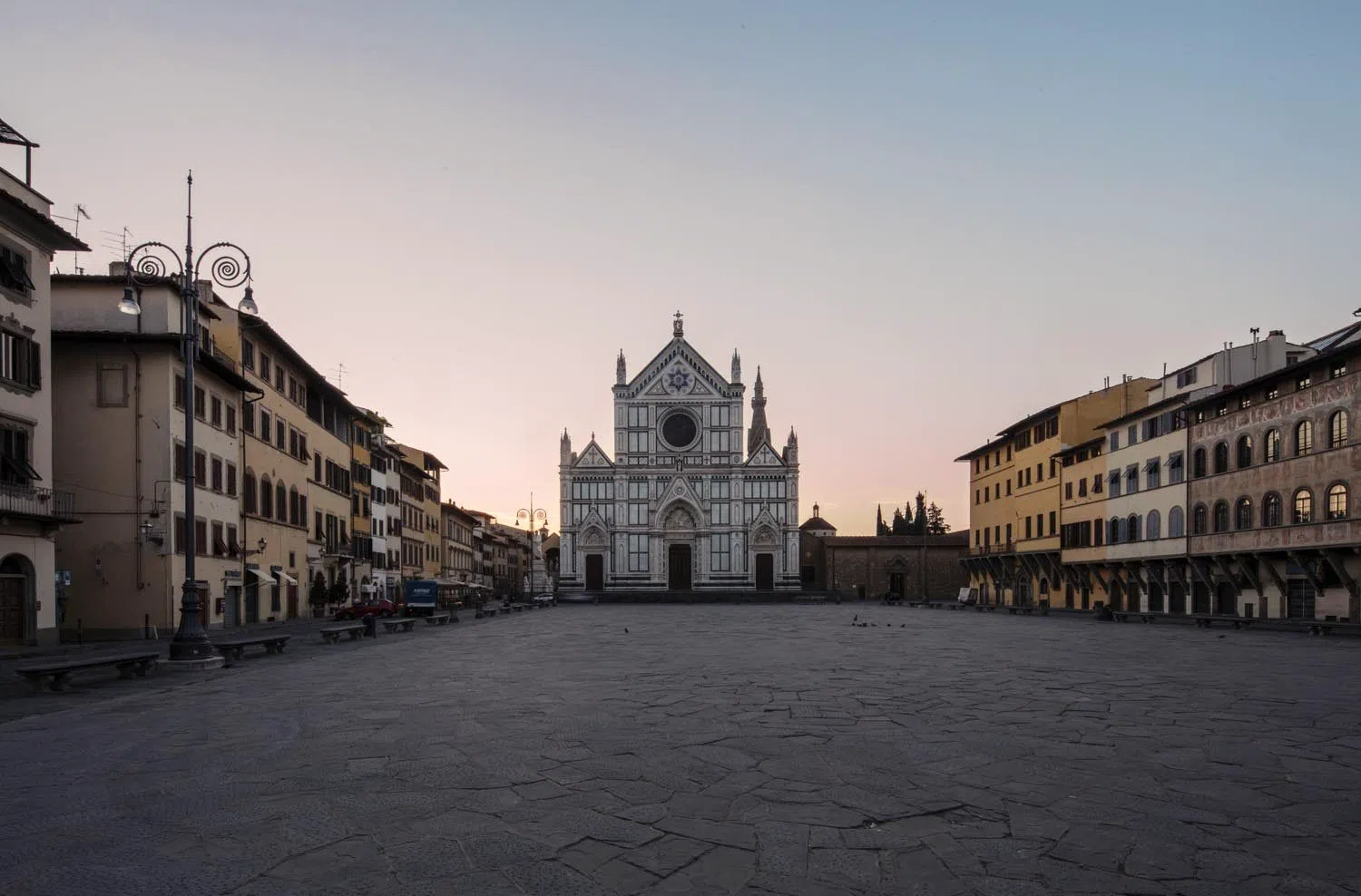
Complesso Monumentale di Santa Croce (Piazza Santa Croce) puts the Giotto frescoes, the tombs of Michelangelo and Galileo and Brunelleschi's Pazzi Chapel on one ticket: €11 open-date and valid six months, or €12 for a fixed time slot. The open-date version is the useful one on a trip built around timed entries elsewhere, because there is no slot to miss. Open Monday to Saturday 9:30 to 17:30 and from the early afternoon on Sundays; the nave absorbs numbers easily, so it rarely feels full.
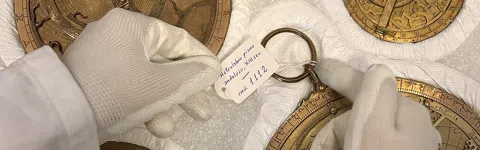
Museo Galileo (Piazza dei Giudici, sixty seconds from the Uffizi exit) is around €13 to €16, rarely has a line, and is the obvious place to put the hour before a timed slot rather than pacing the riverbank. Armillary spheres, early telescopes, and rooms that stay cool. It closes early at 13:00 on Tuesdays.
Across the Arno where the paths are wide
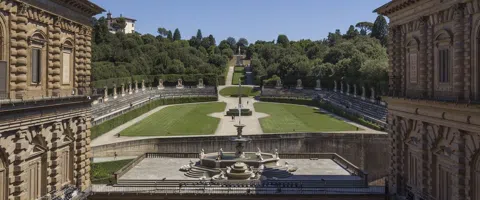
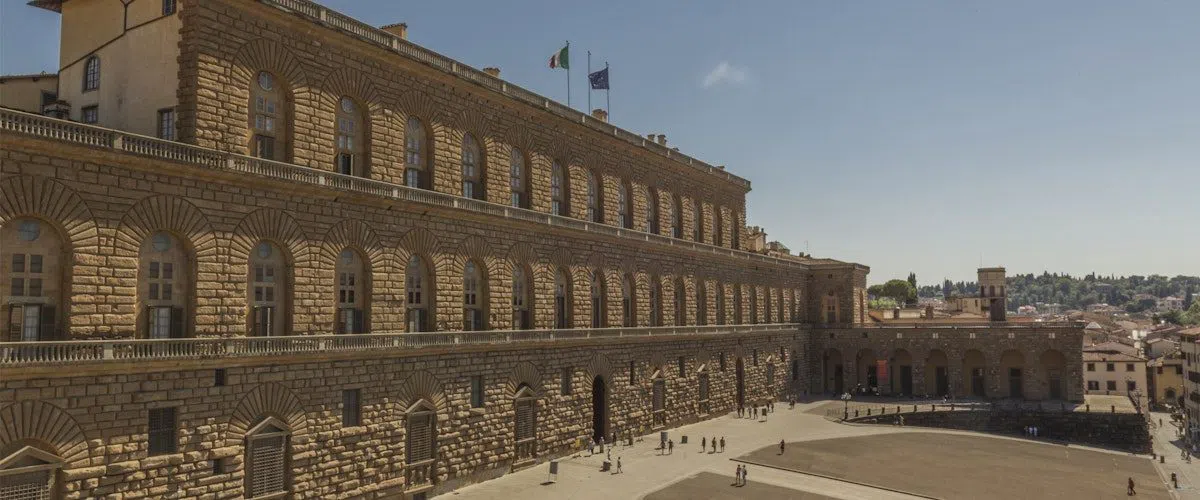
Palazzo Pitti e Giardino di Boboli (Oltrarno, ten minutes over the Ponte Vecchio) is the antidote to every narrow room on this list. The Palatine Gallery hangs Raphaels three deep in rooms built for a court, and it still does not queue like the Uffizi. Pitti is €16 at the door or €19 booked; Boboli €10 or €13; combined €22 or €25; and a five-day PassePartout that includes the Uffizi runs €40, which pays for itself the moment you use all three. Boboli closes on the first and last Monday of the month, a rule that catches people out more than any other in the city. In September, walk the garden before 10:30 or after 17:00; the amphitheatre terraces have no shade at all in the middle of the day.
Fondazione Palazzo Strozzi (Via Tornabuoni) runs Florence's serious international exhibitions on timed entry, at roughly €15 to €17, and the timing means no queue at any hour. The September calendar is awkward, though: the Rothko show closed on 23 August 2026 and the next exhibition, Broken — The Power of the Fragment, opens on 25 September, so for most of the month the courtyard is worth a look and the galleries are not. Check before you build an afternoon around it.
What the doors actually do with groups
Door policy in Florence is enforced, and the thresholds are low. At the Uffizi and at Pitti, parties of 11 or more pay a €70 group supplement on top of tickets and guides work with radio headsets. At the Accademia the line is drawn at nine: groups of 9+ must book by phone through Firenze Musei rather than online, and headsets are required. Santa Maria Novella takes up to 25 plus a guide, with headsets mandatory over six. Santa Croce wants advance booking through its ticket office. For the dome, large parties need several consecutive slots rather than one, because each slot is small; the same logic applies to the Arnolfo Tower.
Read that list the other way and it tells you where a group of eight or twelve will actually have a good time: the Bargello, Pitti and Boboli, Museo Galileo, Santa Croce. And where it will not: the Brancacci at 30 people for 30 minutes, the Magi Chapel at ten people for five, the New Sacristy, and the cells at San Marco, which have to be walked in rotation. Couples and pairs can take those small rooms without any planning beyond a booking; a party of a dozen has to split and stagger, or accept a lot of standing about in a courtyard.
Getting around, paying, and what the week costs
The centre is small enough that you will walk everything on this list, most of it within twenty minutes of the Duomo, and the Oltrarno crossings add ten. That is the argument for staying inside the walls even at the price it commands. See the Florence hotel search for what the centre and the Oltrarno cost in September, and the broader Florence guide for how the districts differ. Cars are the wrong instinct here: the limited-traffic zone covers most of what you want to reach, and taxis are taken from ranks rather than flagged.
Cards work at every museum desk and nearly every counter, but keep €20 or so in coins and small notes for a standing coffee, a bathroom, a church offering box. Book the dome first, then the Uffizi slot, then the Accademia, and leave the walk-ins as ballast for the hours around them. That ordering is the whole trick, because only the first three punish you for lateness.
On budget: a fairly complete week of the sights above, taken singly, lands somewhere near €150 to €180 per person. Using the combinations sensibly (the €40 PassePartout, the €26 Accademia-and-Bargello, the €38 five-museum pass, the €30 Brunelleschi) brings it closer to €120 without cutting anything worth seeing. Add the after-16:00 Uffizi entry at €16 instead of €25 if you would rather see it half-empty at dusk than complete at ten in the morning. In September, that is not much of a sacrifice.
Before you go
How far ahead should I book the Uffizi, Accademia and Duomo for a September trip?
Book the dome climb first. It is locked to an exact date and start time, and in September the slots go weeks ahead, so arrange the rest around whichever hour you get. The Uffizi and the Accademia are timed too, but their slots turn over faster; a few weeks out is usually enough, and both are better booked before you fly than on arrival.
Is the Accademia's €4 reservation fee actually worth paying?
Yes. The walk-up ticket is €16 and the booked one is €20, of which €4 is the reservation fee. Walk-up tickets do exist but sell out, often by mid-morning in September, and the building behind that door is one of the smallest in the city. For €4 you avoid a two-hour line and the risk of a wasted trip.
Which Florence museums can I still walk into without booking?
The Bargello is usually a walk-in even in September, at €12 and open to 18:50 Tuesday to Sunday. Santa Maria Novella is one of the few first-rank sights with no reservation needed, at around €7.50 to €10. Santa Croce sells an €11 open-date ticket valid six months, so there is no slot to miss, and Museo Galileo rarely has a line at all.
What closes on Mondays, and what else should I check on the calendar?
San Marco closes Mondays and the fifth Sunday of the month, and shuts for the day at 13:50 with last entry at 12:45. Boboli closes the first and last Monday of the month. The Medici Chapels close the second and fourth Sunday plus the first, third and fifth Monday. Museo Novecento closes Thursdays, the Brancacci closes Tuesdays, and Museo Galileo shuts at 13:00 on Tuesdays.
Do I need a ticket to go inside the cathedral itself?
The nave of the cathedral is free to enter, but it has its own separate queue that no pass lets you skip: the Brunelleschi, Giotto and Ghiberti passes cover the dome, campanile, baptistery, crypt and museum, not the nave line. Join it early in the morning, or treat it as an afternoon walk-past rather than a fixed item.