The Florence issue
Six Days in Florence Without the Famous Sights
Six days is enough to spend a morning buying artichokes, an afternoon in a garden nobody queues for and a whole day in Chianti. Here is how the week fits together.

By Élodie FournierFlorence beyond the Uffizi queue
By the third week of September the light over the Arno goes long and orange by seven, and the bridges thin out enough to cross without turning sideways. Six days in Florence is a different proposition from three. It is enough time to buy artichokes before the market aisles fill, to sit in a walled garden a family still lives in, and to watch silk come off a hand loom in a mill that has been weaving to order since 1786.
A market morning and the kitchen it leads to
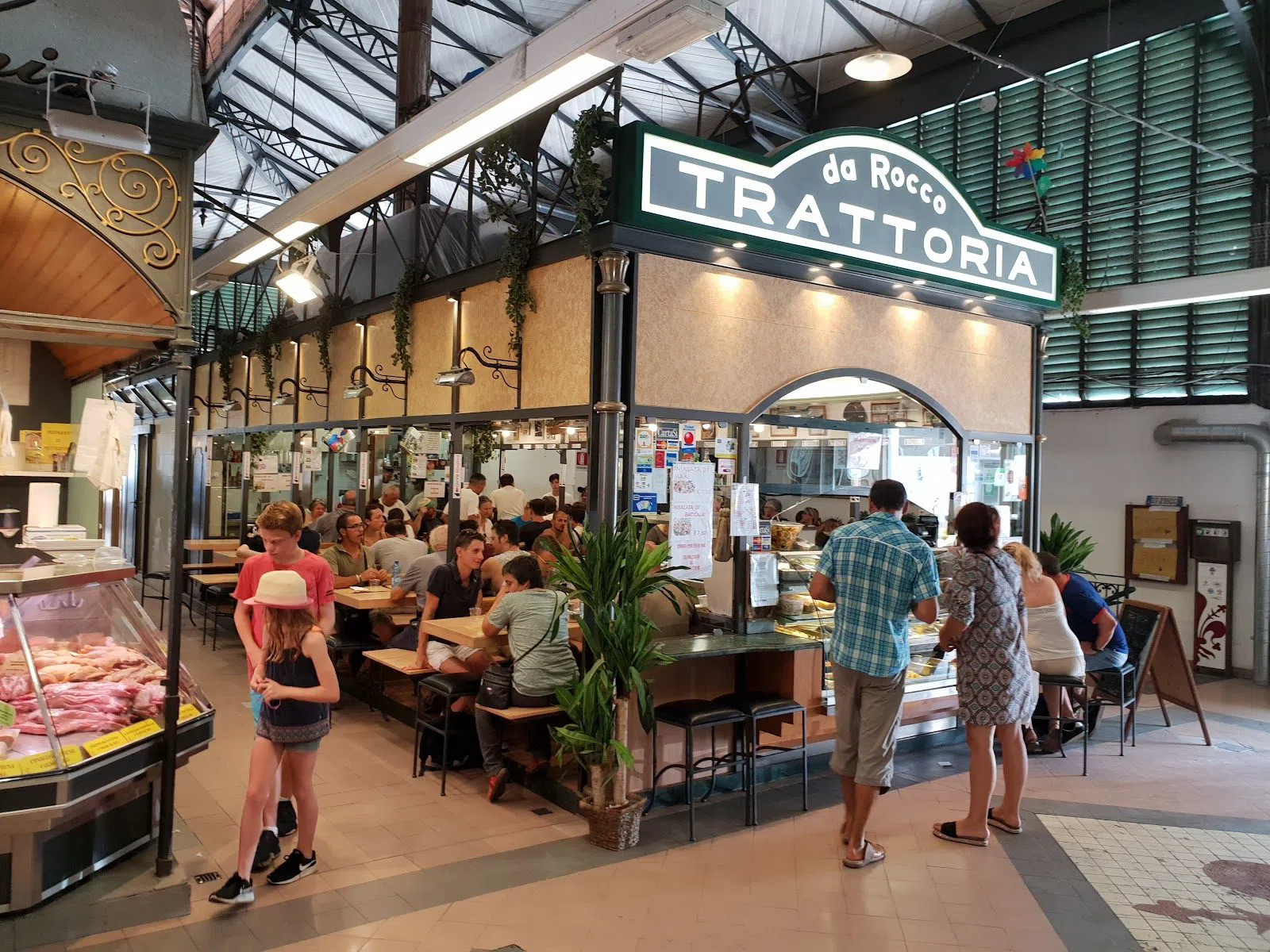
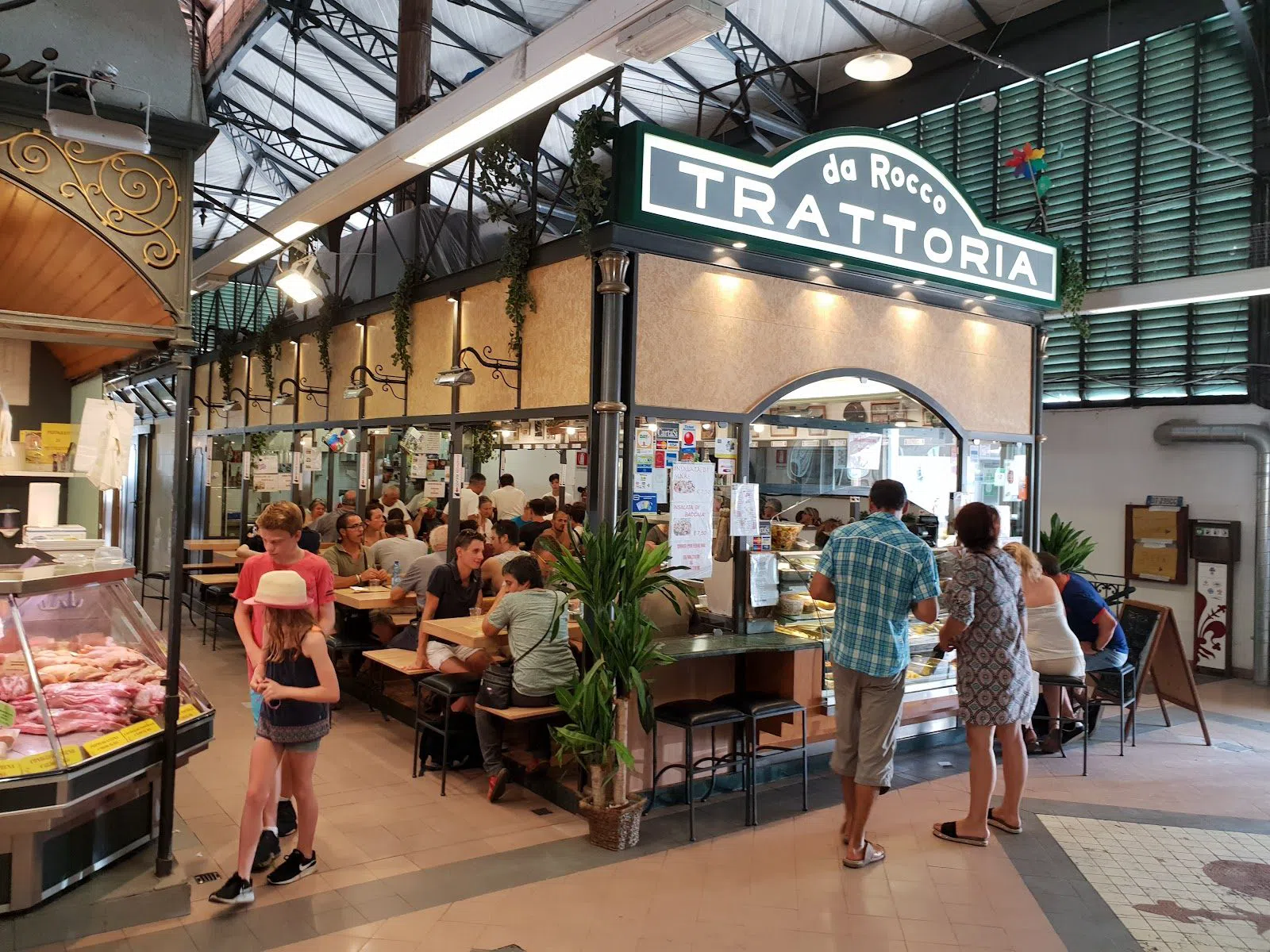
Mercato di Sant'Ambrogio (Sant'Ambrogio, ten minutes east of Santa Croce) opens around seven and closes around two, Monday to Saturday, and is shut on Sundays. Come at half past eight, when the fishmongers are still setting up and the aisles have room in them. Entry is free, there is no door policy, and a plate of something at one of the inside counters runs €8 to €15. Small groups are fine, since food-tour guides work the place daily, but the aisles are genuinely tight, so eight people walking abreast will get in the way of the woman buying her week's tomatoes. Go early, or split up.
The market is also the natural first half of a cooking morning. In Tavola (Oltrarno, a short walk south of the river) runs scheduled group lessons in English, Spanish and Italian alongside private bookings, from roughly €60 to €110 a head depending on the class. Handmade pasta, a full Florentine dinner, pizza-and-gelato and an artisanal gelato class all run regularly. The minimum age is seven, which makes it one of the few structured things in the city that works with a child in tow. A few classes listed on the site show no scheduled dates at all, so book off the live calendar rather than off one particular class page.
Plan your Florence trip
Live prices from our booking partners.
Free cancellation on many rooms. We may earn a commission when you book.
Frescoes on a thirty-minute clock
Cappella Brancacci (Santa Maria del Carmine, Oltrarno) costs a civic museum ticket of about €10, free under 18 and on the Firenze Card, and the visit is timed: thirty people in the chapel at once, thirty minutes each. Booking is free but mandatory for groups and school parties, and sensible for everybody else. It closes on Tuesdays, and on Sundays opens only between 13:00 and 17:00, a rule that catches out more visitors than any other opening time in the city. Since February 2026 the Sala della Colonna has been open to the public, so there is more to walk through than older itineraries suggest. Take the last slot of a weekday afternoon: the room is quiet and the light coming through is kind to the plaster.
Two museums the three-day visitor never reaches
Museo di Storia Naturale La Specola (Oltrarno, Via Romana, near the Pitti end) opens Tuesday to Sunday, 09:00 to 17:00, with tickets through Vivaticket at €10 full and €5 reduced, plus a €3 supplement for the tower and Tribuna slot. School and private guided groups go through the education service. Know what you are buying: the famous anatomical wax route is suspended after an air-conditioning failure in 2026, and some of the waxes are away on loan. Zoology, mineralogy and the Art & Science rooms are open, and they carry a slow hour easily. Cases of pinned beetles, drawers of crystals, an old building that smells of floor polish. Treat it as the old museum rather than the wax rooms, and check the status the week before you go rather than the morning after.
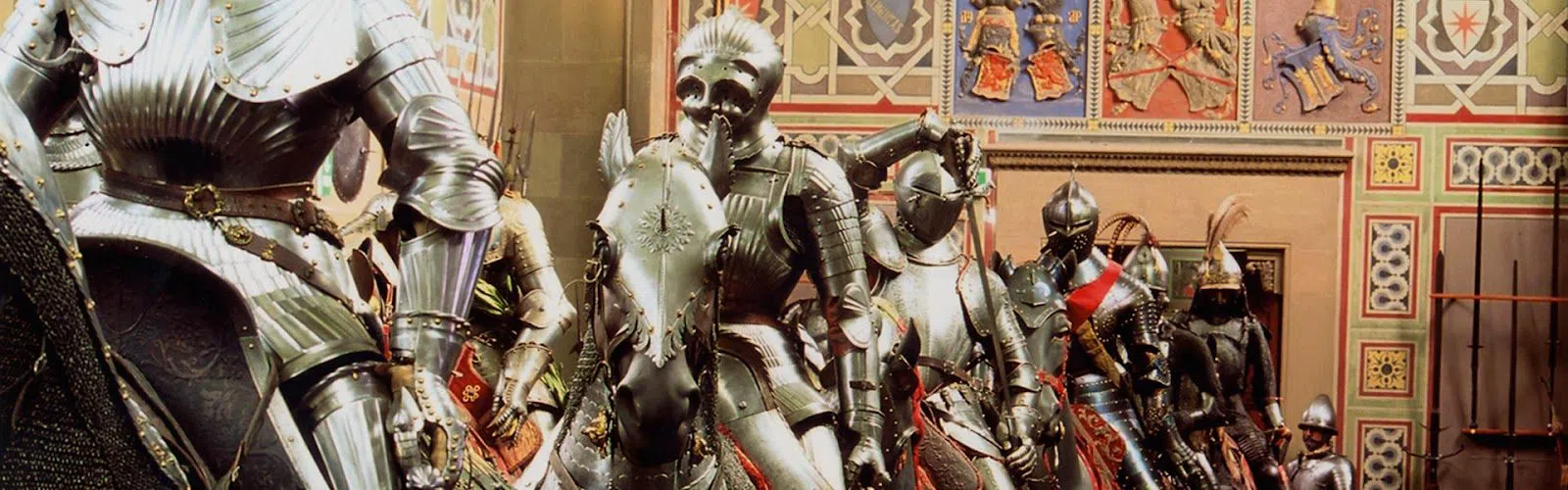
Museo Stibbert (Montughi, fifteen minutes north by bus) is quiet in another way: a private nineteenth-century house stuffed with arms and armour, arranged as a standing parade of mounted knights. Entry is around €10, and staff-guided tours for up to 25 people can be arranged by email, with fifteen days' notice for English or Italian, thirty for French, and a supplement on request. The hours are the awkward part: closed Thursdays, short 10:00 to 14:00 days Monday to Wednesday, then 10:00 to 18:00 Friday to Sunday. Even in high summer you will have whole rooms to yourself.
Two gardens and a view nobody queues for
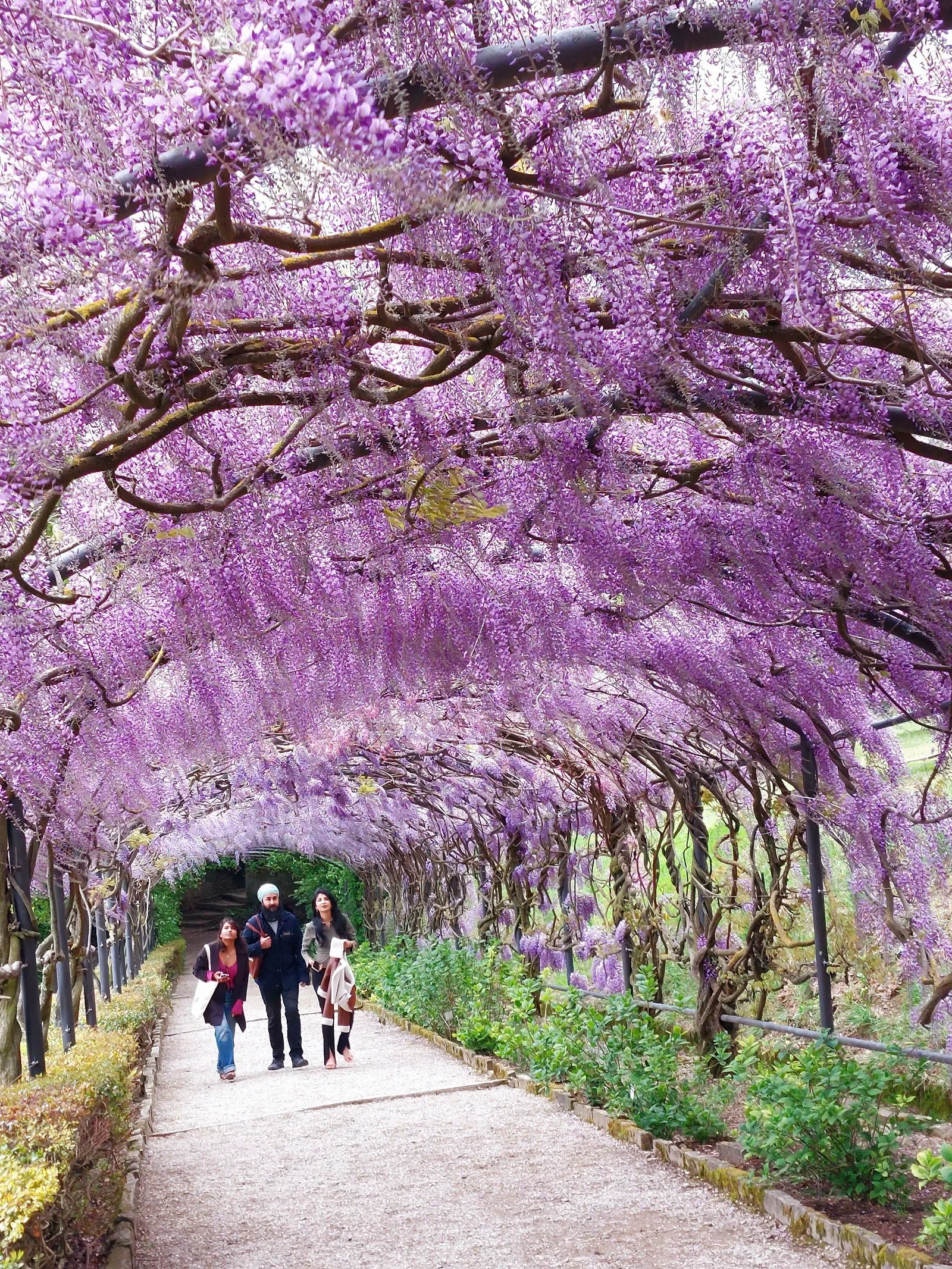
Villa e Giardino Bardini (Costa San Giorgio 2 or Via de' Bardi 1r, Oltrarno) gives you the terraced-hillside version of the panorama that draws the crowd up to Piazzale Michelangelo, without the crowd or the Boboli crush. The garden is €10, the exhibition in the villa €10, the two together €15, with a reduced rate for groups over ten. La Loggetta, the café, is on site. It closes on the first and last Monday of each month, which is the one date trap here. Come in late afternoon in spring when the wisteria tunnel is working, or in October when the light is low and the terraces have emptied out.
Giardino Torrigiani (Oltrarno, behind the walls off Via dei Serragli) is a large private walled garden, still owned and lived in by the Torrigiani family, visited only by appointment and only in the company of a member of that family. Reckon on €25 to €60 per person depending on group size and whether an aperitivo is included, and request at least seven days ahead by email or phone. It is built for small private groups, and it never works as a walk-up. If you want it, send that email the day you book the flights.
Workshops where the making is still a business
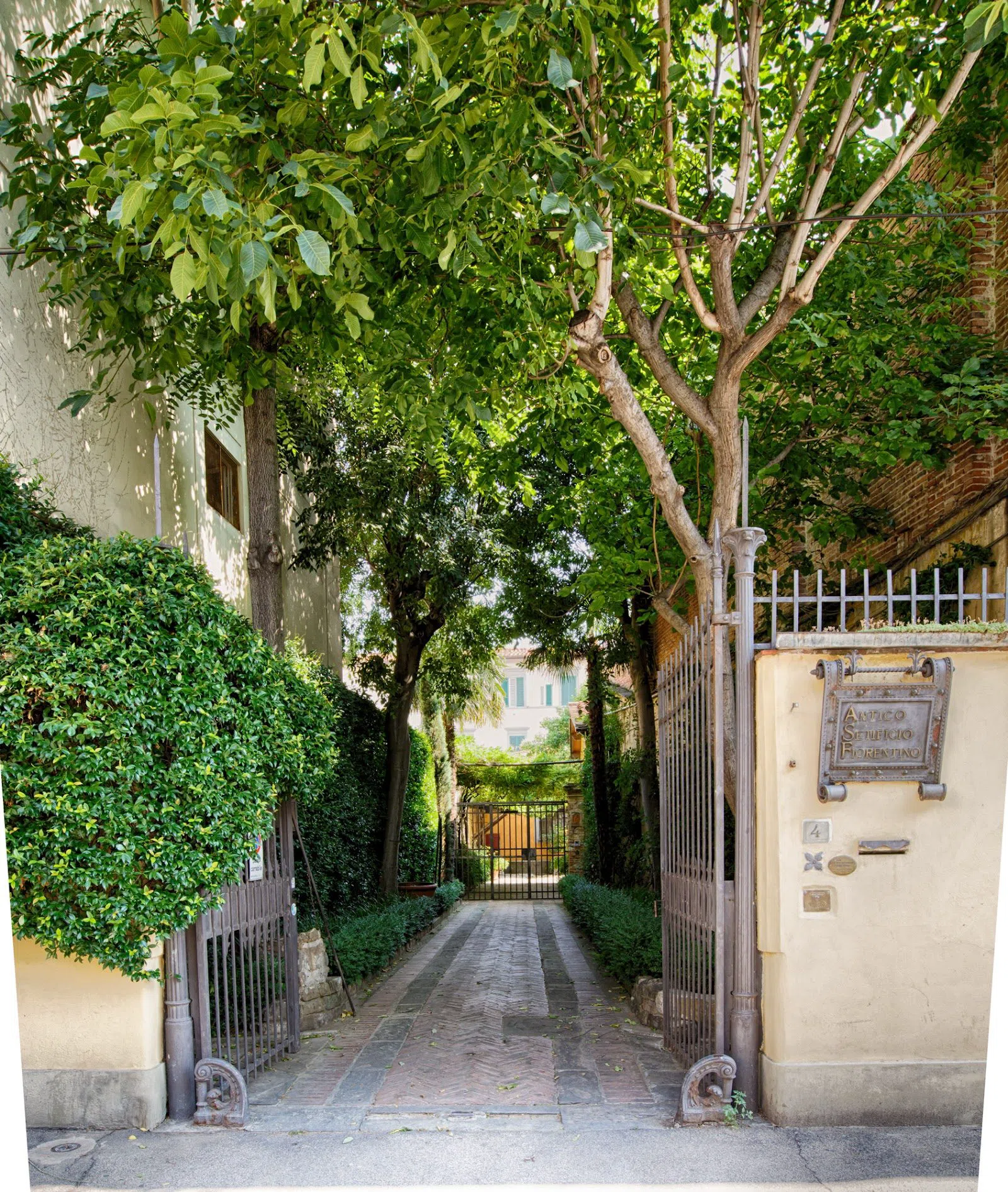
Antico Setificio Fiorentino (San Frediano, Oltrarno) has been weaving since 1786 and still produces silk to order for palaces and restoration projects. Visits are by appointment only, weekday mornings and early afternoons. The guided tour takes between one and fifteen people, runs about 45 minutes, price on request; there is also a hands-on loom session and a longer weaver-for-a-day, both dearer, and the space hosts private events of 50 to 80. The looms are running because there are orders, not because visitors are watching.
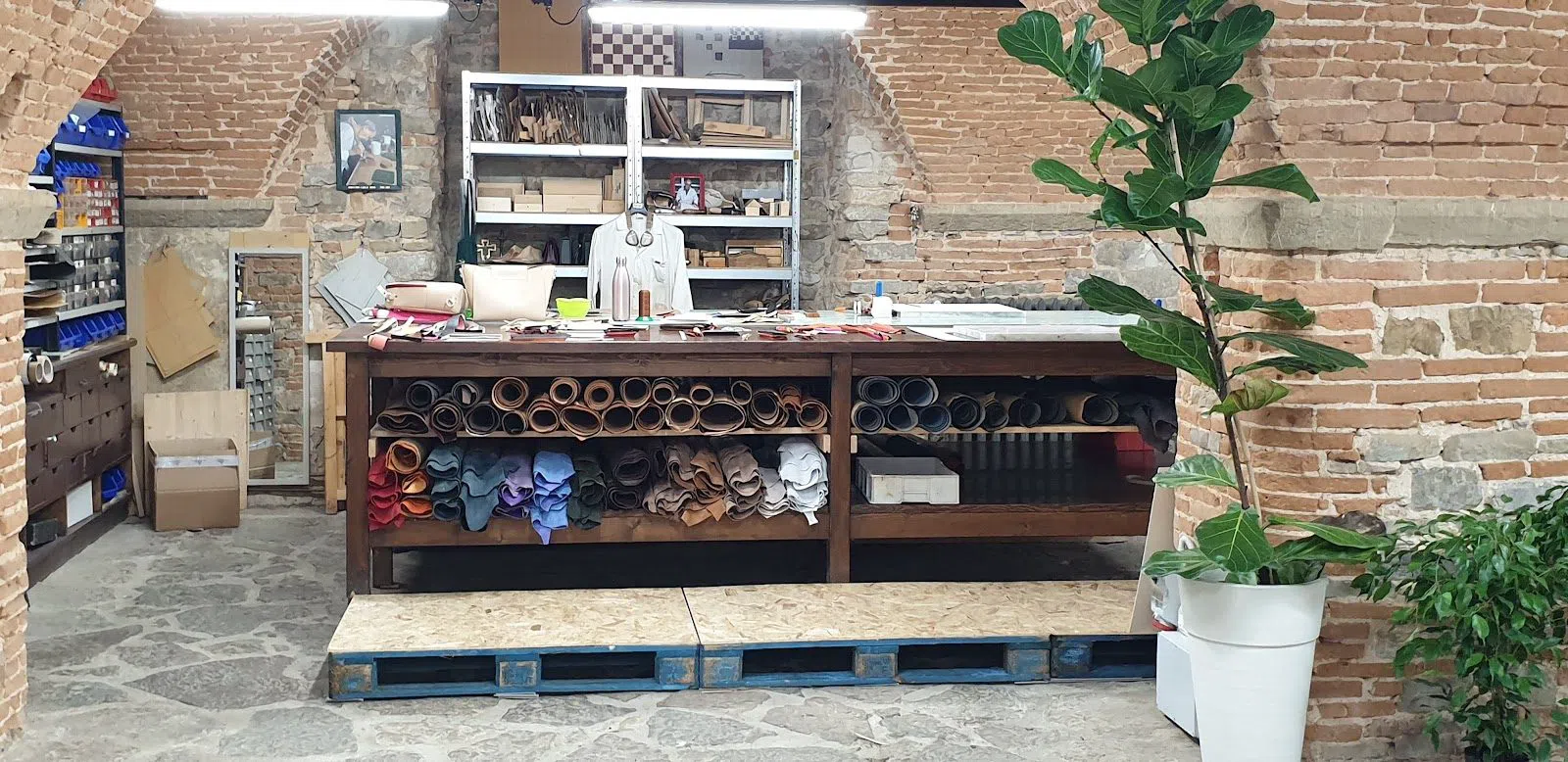
Scuola del Cuoio (Santa Croce, inside the monastery) is free to walk into and watch, Monday to Saturday 10:00 to 18:00 and Sundays from 10:30. It has been there since 1950, and you enter either through the church or by the side door at Via San Giuseppe 5r. Hands-on workshops of three or six hours run roughly €90 to €200 per person and take individuals or groups. If your only contact with Florentine leather has been the stalls near San Lorenzo, an hour here resets what the material actually costs and why.
Dinner on the south bank
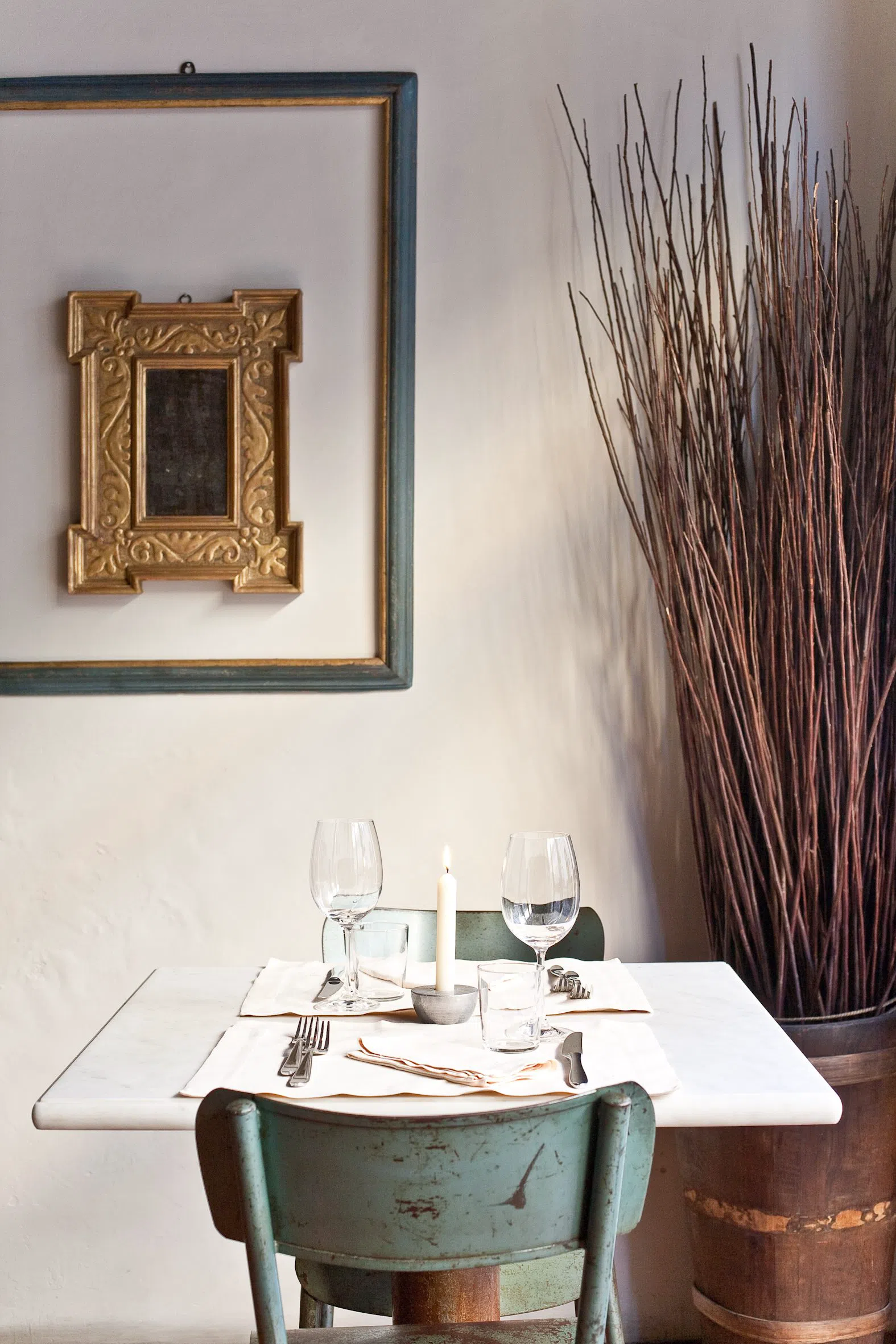
Il Santo Bevitore (San Frediano) is the reliable table: Tuesday to Sunday for lunch and dinner, Mondays dinner only, €40 to €60 a head with wine, and in the 2026 Michelin Guide. It takes group reservations, and the same owners run a wine bar next door and a bakery round the corner, which is the useful answer when the dining room is full and there are six of you standing in the street.
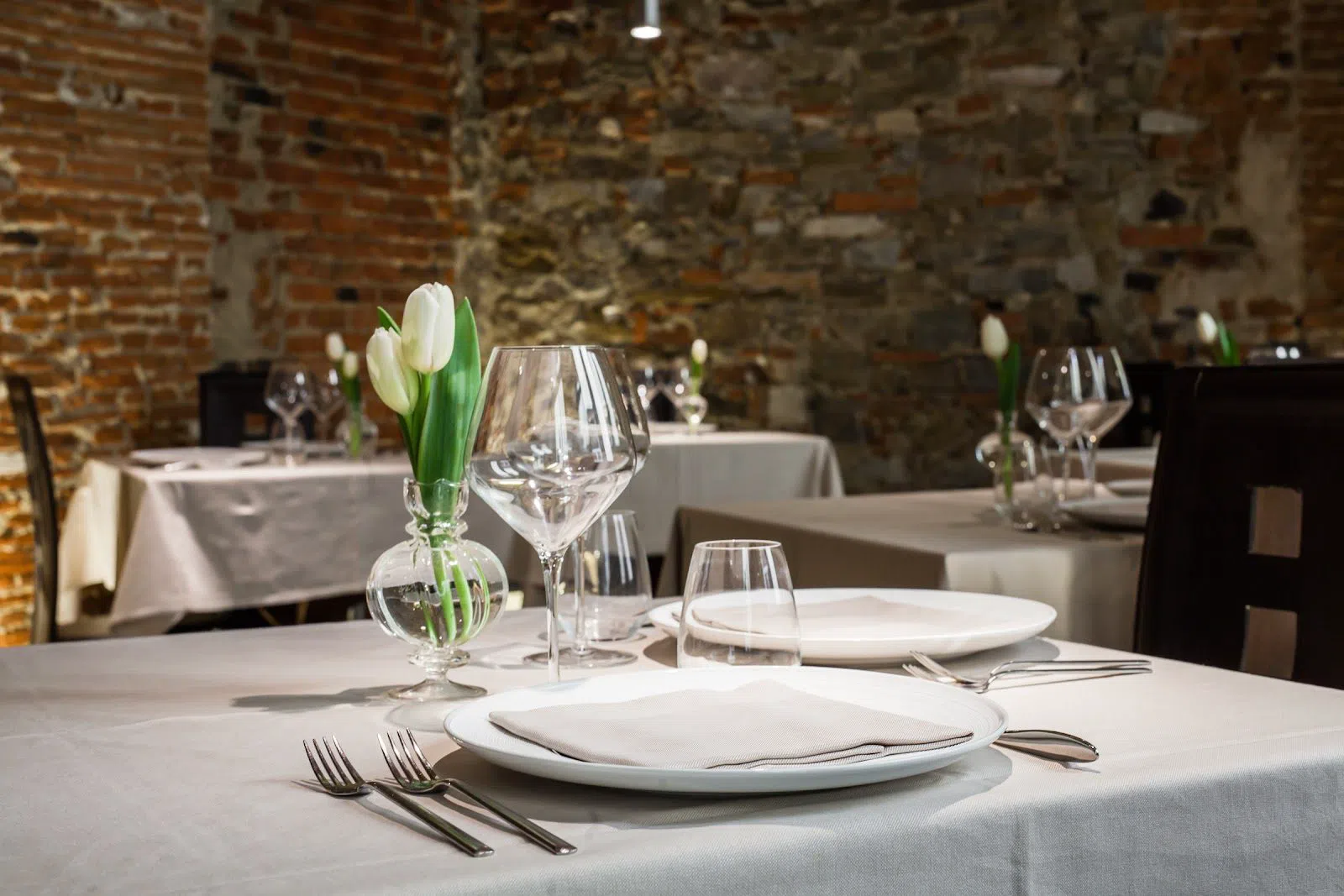
Osteria dell'Enoteca (Oltrarno, Via Romana) is the one to spend money on, at €45 to €70 a head with wine, and it sits far enough from the Santo Spirito scrum to hear the person opposite you. Reserve by phone or through the site, note the Tuesday closure, and give notice for a small group: the room really is small, so book a few days out.
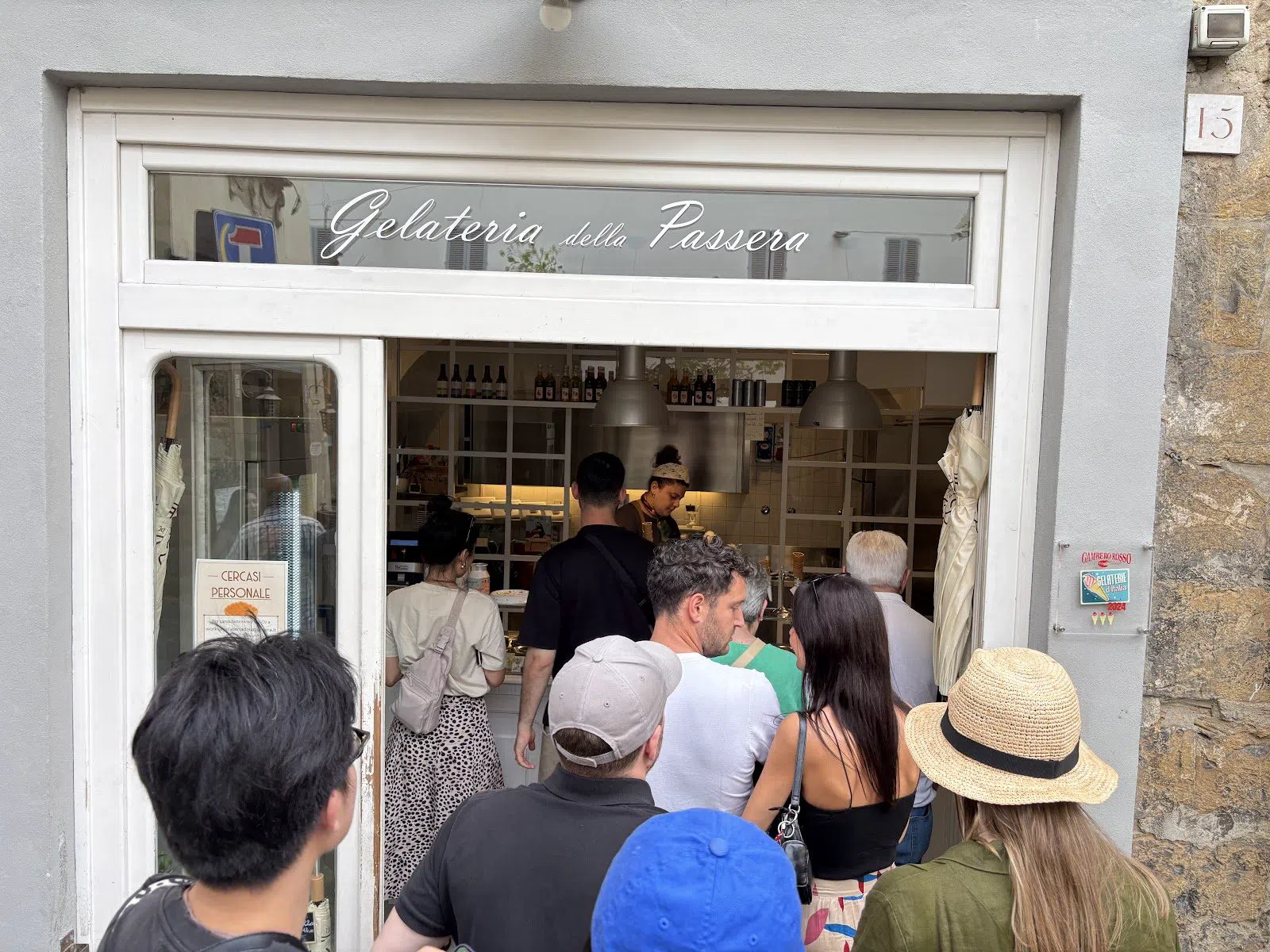
Gelateria della Passera (Piazza della Passera, Oltrarno) has made seasonal, small-batch gelato since 2010 and holds three Gambero Rosso cones. Counter service, no bookings, €3 to €6 a cone. A group of eight will fill the doorway, so take the cones outside and sit in the square, small and paved and one of the few places in the centre where an hour of sitting costs nothing.
A lunch worth leaving the ring road for
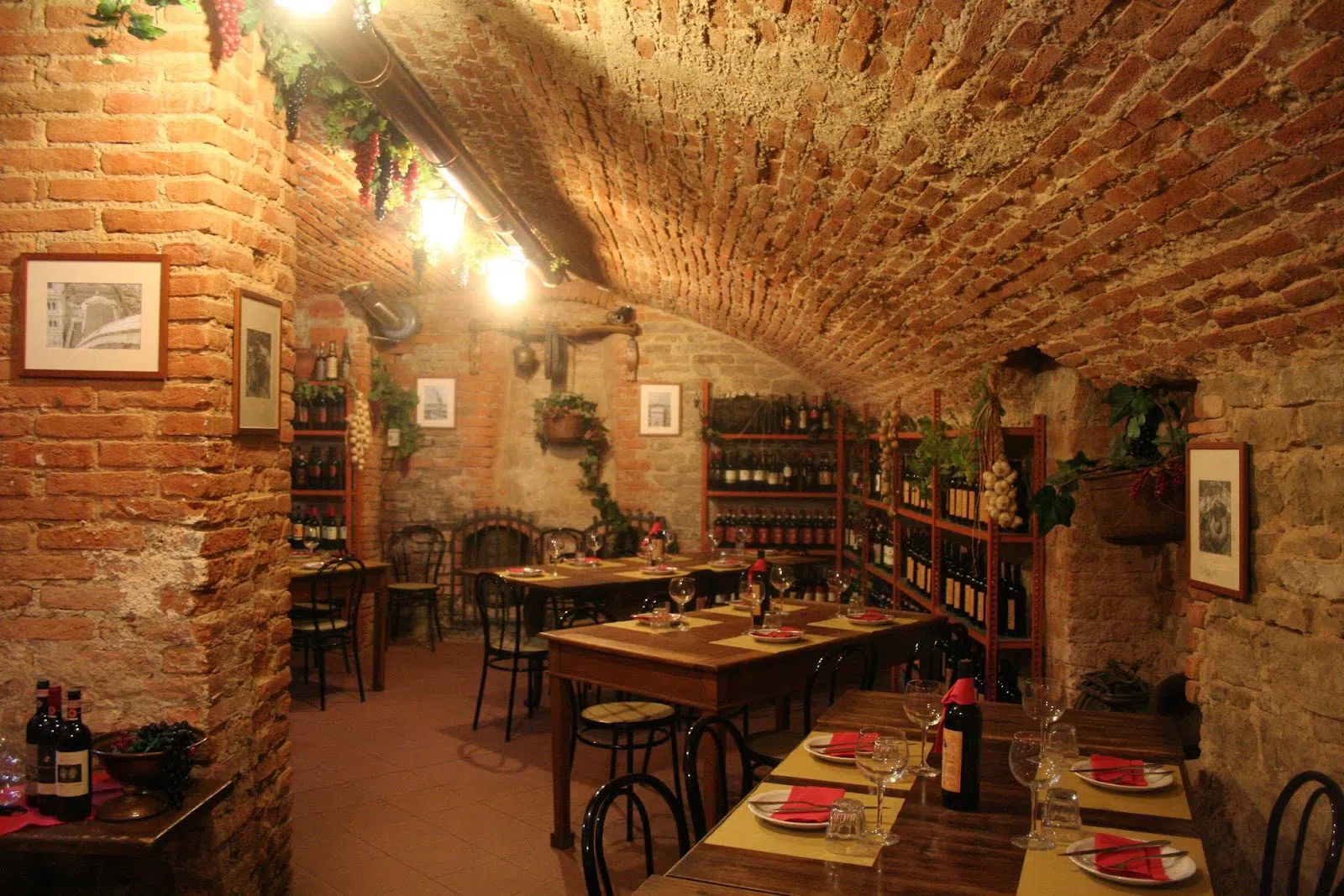
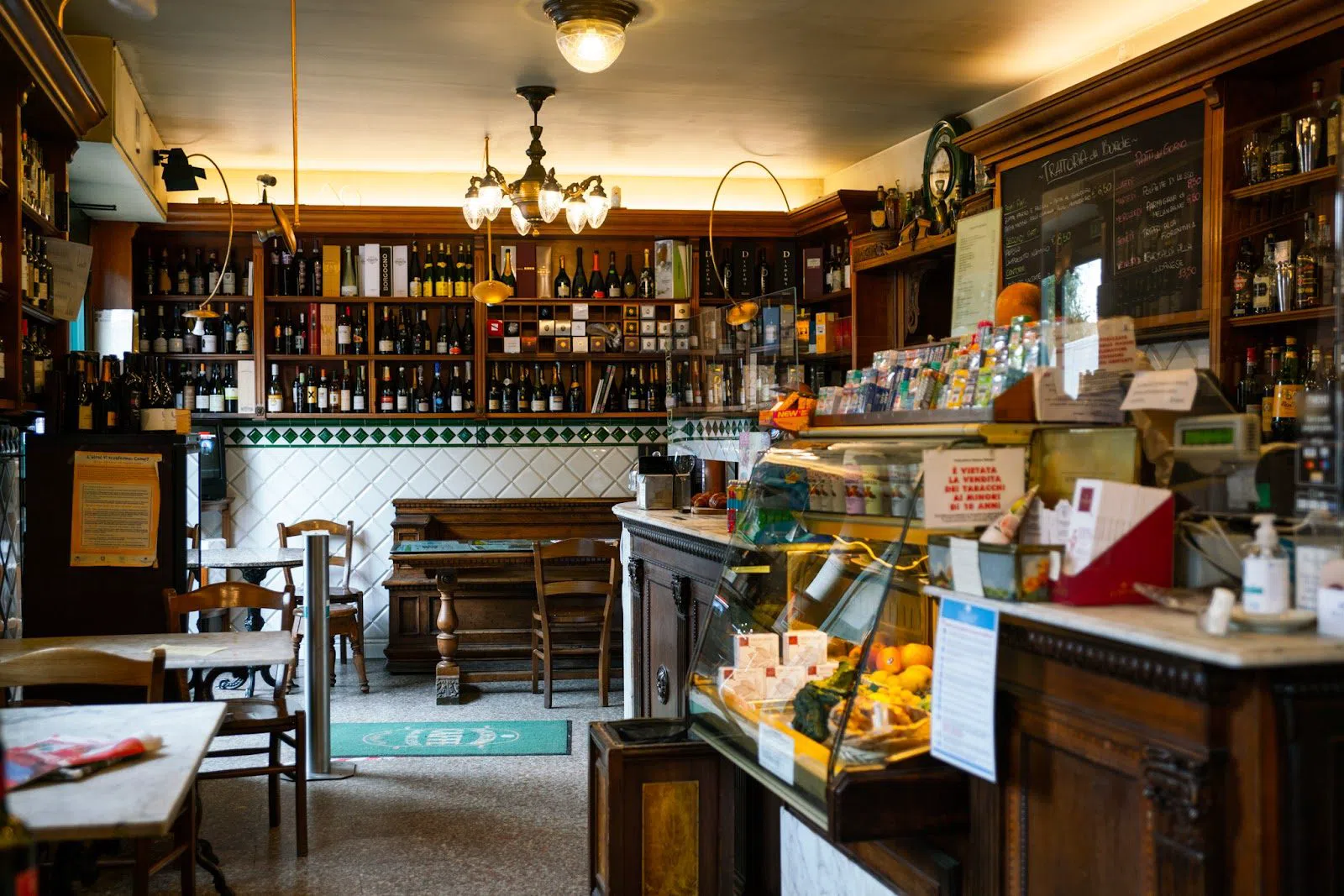
Trattoria da Burde (out on Via Pistoiese, beyond the ring) is 125 years old, half trattoria and half grocery, Michelin Guide listed, and properly outside the visitor map. Weekday lunch is the everyday service; dinner runs on Fridays only. Budget €30 to €45 a head, more once the bistecca lands. Booking is essential for groups, and a taxi or a bus beats the walk. Give it the whole afternoon: the deep wine list, curated by owner Andrea, is the reason to make the trip, and it does not reward a rushed hour.
The river, the hill and one long day in Chianti
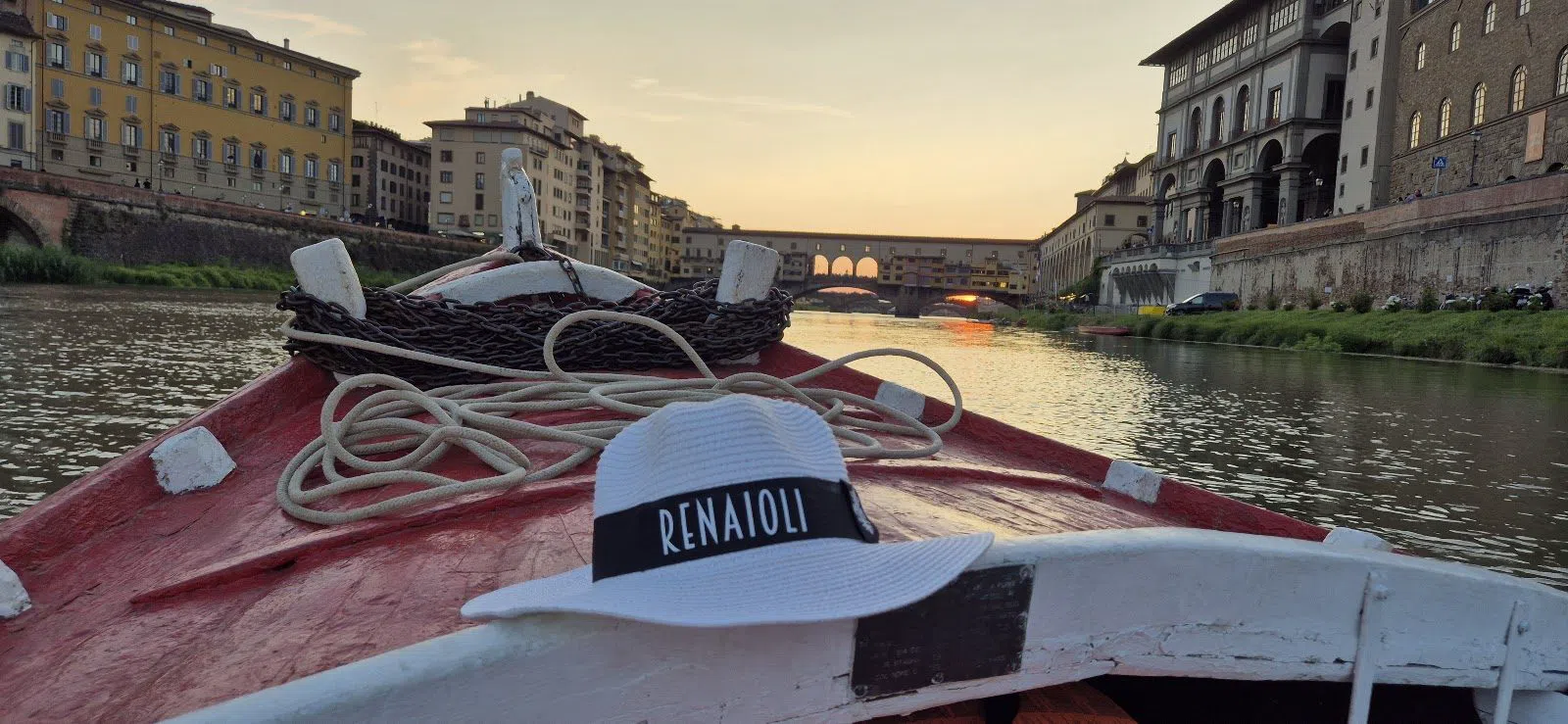
I Renaioli (Lungarno Generale Diaz) row traditional flat-bottomed boats on the Arno from 1 May to 30 September, and only then, which is worth saying plainly because visitors in March and October keep planning around a boat that is not running. Small boats take eight, larger ones fourteen, and several can go out side by side for a bigger party. Shared departures are roughly €25 to €35 per person, private boats considerably more, and the whole thing is about an hour door to door. Booking is required. Take the last departure of the evening, when the water goes the colour of the buildings above it.
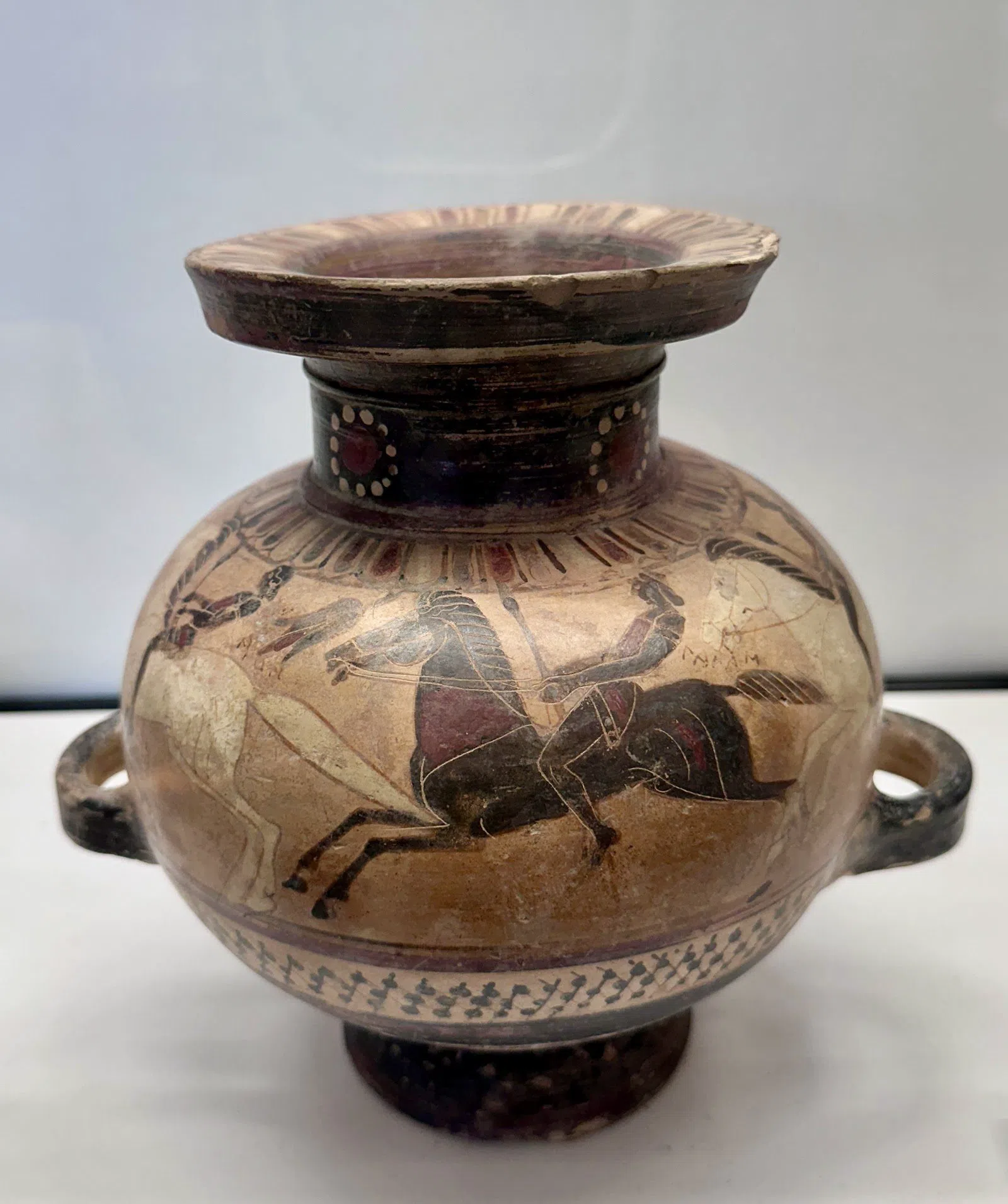
Area Archeologica e Museo Civico Archeologico di Fiesole is the day out that takes the least planning: bus 7 from Piazza San Marco, about 25 minutes uphill, no train and no ticket queue at either end. Site and museum together run around €7 to €12, the Firenze Card is accepted, and there are accessible paths and lifts. Opening is roughly 09:00 to 19:00 daily from April to October and 10:00 to 17:00 in winter, with group and guided visits bookable. The Roman theatre still hosts concerts in summer, so going up late and coming back after dark is a plan rather than a compromise.
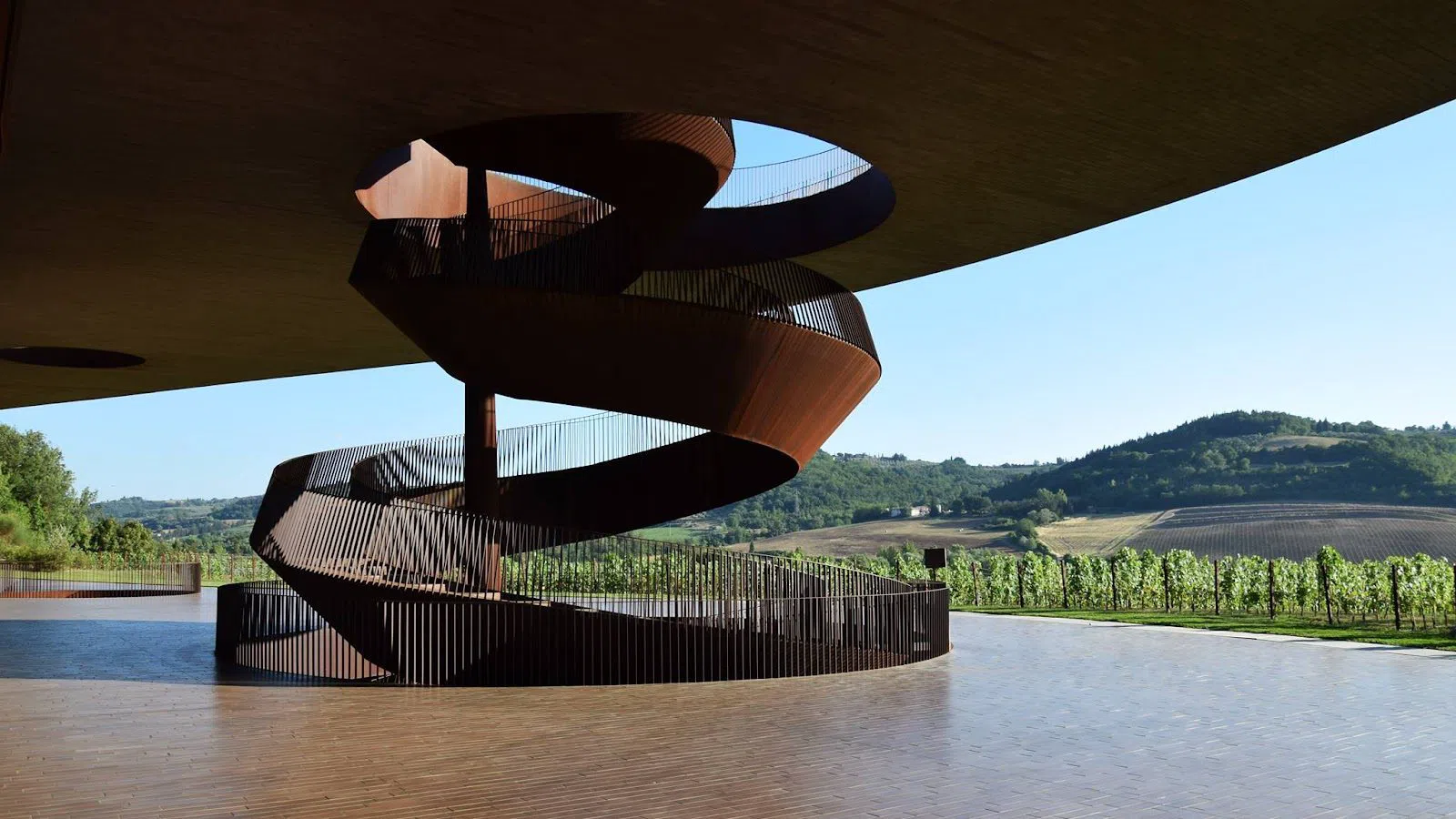
Antinori nel Chianti Classico earns a full day: a modern building buried in the hillside, an art collection, and three wines. It is half an hour south of the city and open daily 10:00 to 18:30 from April to October, shorter in winter. The Tinaia Tour is €50 for adults and €10 for ages 7 to 17; tours run in Italian and English alongside other guests, with interpreters by arrangement. The rooftop restaurant, Rinuccio 1180, serves lunch from 12:00 to 16:00 and is the reason to stay past the tour. Booking is effectively required, book direct, and note that tickets are non-refundable.
How the six days fit together
The shape that works: a Sant'Ambrogio morning and a cooking class on day one, so you arrive at the food before the restaurants. Day two south of the river, with Brancacci in the afternoon slot, the silk mill by appointment in the morning, and gelato in Piazza della Passera in between. Day three is gardens: Bardini for the terraces and the view, Torrigiani if your email went out a week ago. Day four goes north to Stibbert and out to Da Burde for a long weekday lunch, which means dinner can be a sandwich. Day five is Fiesole, up early or up late for a concert. Day six is Chianti, all of it, and nothing else scheduled afterwards. Slot La Specola and the leather school into whichever afternoon the weather ruins. If you want the standard sights too, the Florence guide covers them; this week is built to leave them out.
Getting around, paying and what the week costs
Almost everything above is walkable except Stibbert, Da Burde, Fiesole and the winery. Bus 7 from Piazza San Marco covers Fiesole; Da Burde is a bus or a short taxi; the winery is a car or a booked transfer. Buy the Firenze Card only if the free entries you will actually use, the Brancacci and Fiesole among them, add up past its price; on a six-day itinerary this loose, they often do not. Cards work nearly everywhere, but keep €40 to €50 in cash for the market, the gelateria and the smaller counters. Reckon on €25 to €40 a day for museums and gardens, €30 to €70 for the main meal, €60 to €110 once for a cooking class, €50 plus lunch for the winery day, and €25 to €60 for the private garden. Book the timed and appointment-only places first (Torrigiani seven days ahead, the silk mill and the Brancacci as soon as your dates are firm) and leave the walk-in places for the gaps. For rooms, the Oltrarno puts you inside walking range of most of this list; compare rates through the Florence hotel search. Between May and September the boats run and the theatre has concerts; October and March buy you empty terraces and a quiet chapel instead.
Before you go
Is six days too long for Florence?
Not if you give up on ticking off a list. Six days is roughly three days of central sights plus a market morning, a cooking class, two gardens, a workshop visit and two full days out: Fiesole on bus 7 from Piazza San Marco, and Antinori nel Chianti Classico half an hour south. The pace only fails if you try to fit all of it into one district.
Are the anatomical wax models at La Specola open in 2026?
No. The wax route at the Museo di Storia Naturale La Specola is suspended after an air-conditioning failure in 2026, and some of the waxes are on loan elsewhere. Zoology, mineralogy and the Art & Science rooms remain open, Tuesday to Sunday, 09:00 to 17:00, €10 full and €5 reduced through Vivaticket. Check the museum's status before you travel.
Do I have to book the Brancacci Chapel in advance?
Booking is free but mandatory for groups and school parties, and worth doing anyway, since only 30 people are allowed in at once, in 30-minute slots. Entry is a civic museum ticket of about €10, free under 18 and with the Firenze Card. It closes on Tuesdays and opens only from 13:00 to 17:00 on Sundays.
Can you visit Giardino Torrigiani without an appointment?
No. The garden is private, the Torrigiani family still lives there, and a family member comes along on every visit. Ask at least seven days ahead by email or phone. Expect roughly €25 to 60 per person depending on group size and whether an aperitivo is included. There is no walk-up option at any time of year.
When can you take a traditional boat on the Arno?
I Renaioli run from 1 May to 30 September only, departing from Lungarno Generale Diaz. Shared trips cost roughly €25 to 35 per person and take about an hour door to door; small boats hold eight and larger ones fourteen, with private hire costing considerably more. Booking is required, and outside those dates the boats do not run at all.