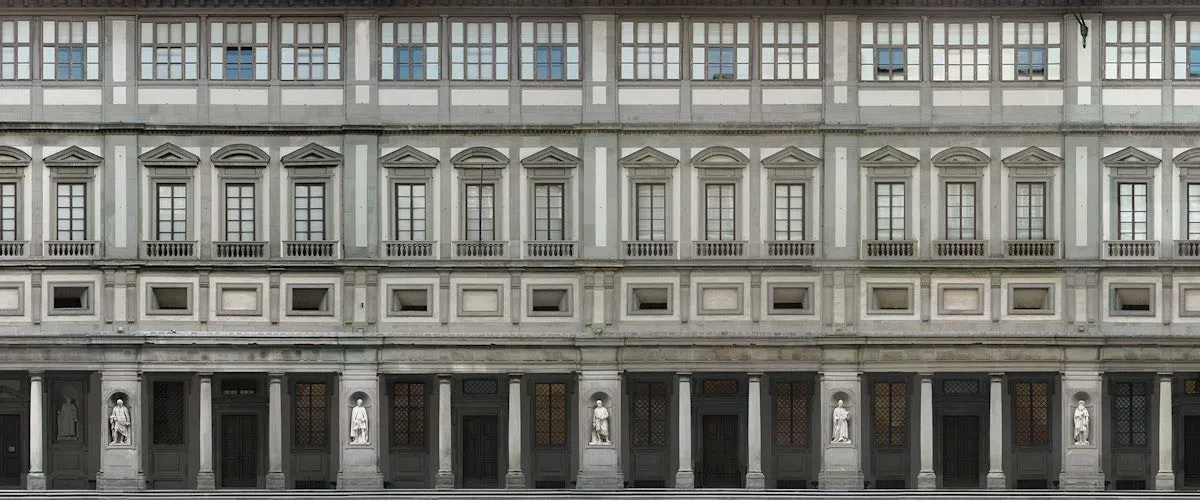

At a quarter past eight on a Tuesday in February, the first long corridor of the Uffizi smells of floor polish and cold stone, and you can hear your own shoes on the terrazzo. By half past eleven the same corridor has become a slow river of shoulders moving at the speed of whoever is photographing a ceiling. Nothing about the gallery changes between those two moments except the hour, and the hour accounts for most of the difference between a visit you enjoy and one you endure.
What you are actually walking into
Gallerie degli Uffizi (Piazza della Signoria, at the river end of the centro storico) was never designed to hold crowds, because it was never designed to hold a museum. Vasari built it in the 1560s as administrative offices, the uffizi: a long U of two parallel wings joined by a short bar above the Arno, wrapped around a narrow courtyard that funnels wind off the river in winter and holds heat in August. The art arrived later, and the building has been negotiating with it ever since. That shape governs how a visit feels. You walk a corridor, you turn into a room, you come back out to the corridor. There is no circular route and no shortcut, which is why a jam in one doorway is felt four rooms away.
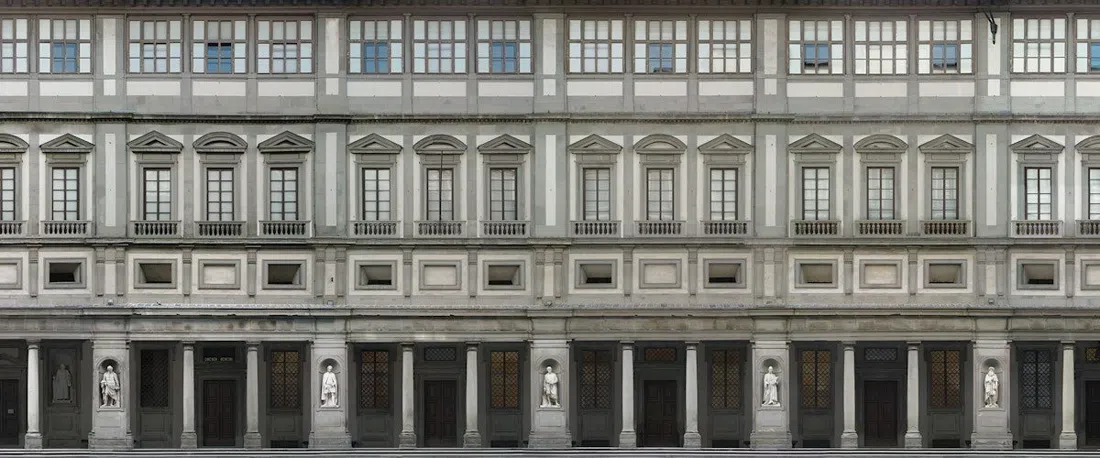
What you see, in the order the building gives it to you, is the arc from gold-ground altarpieces to the full Renaissance and out the other side. Botticelli holds the rooms most people have come for. The Primavera and the Birth of Venus hang in the same space, and that space is the one reliable bottleneck in the building. Leonardo is a few doors on, including the unfinished Adoration of the Magi, which rewards standing still more than any finished picture in the wing. Michelangelo's Doni Tondo, small and startlingly bright, is easy to walk past if you are tired. Caravaggio waits on the lower floor, near the end, when most visitors have stopped looking properly. The windows matter too: the short west bar gives you the Arno, the rooftops and the line of the corridor running along the bridge, and on a clear morning that view is as much a part of the visit as the panels.
One caveat applies right now. A 50-million-euro, two-year programme is rebuilding the entrance, the security screening and the climate control across the complex. Rooms get shuffled, and a work you planned a morning around may have moved a wing. Read the closures board by the entrance before you start rather than after, and treat any room-by-room plan you made at home as provisional.
The gallery opens Tuesday to Sunday, 08:15 to 18:30, with last entry at 17:30. It closes Mondays, 1 January and 25 December.
How long it takes and how to pace it
Two hours is the honest minimum for the main floor at a walking pace that still lets you stop. Three to four hours is a proper look, and past that point most people are reading labels without seeing pictures. A guided walk-through runs a compressed route of roughly ninety minutes hitting the anchors. Take it as a frame, but plan to stay on afterwards with your own ticket rather than leaving when the group does.
The pacing trick is to invert the crowd. Almost everyone entering at opening walks the first corridor slowly and arrives at Botticelli at the same time as the first guided groups. If you start early, walk the first corridor briskly, take Botticelli and Leonardo while the rooms are still half empty, and come back for the early panels on the way out, when the crowd has moved ahead of you. If you enter in the afternoon, do the opposite: the later rooms and the lower floor empty first as people run out of stamina.
The rooftop café most visitors miss
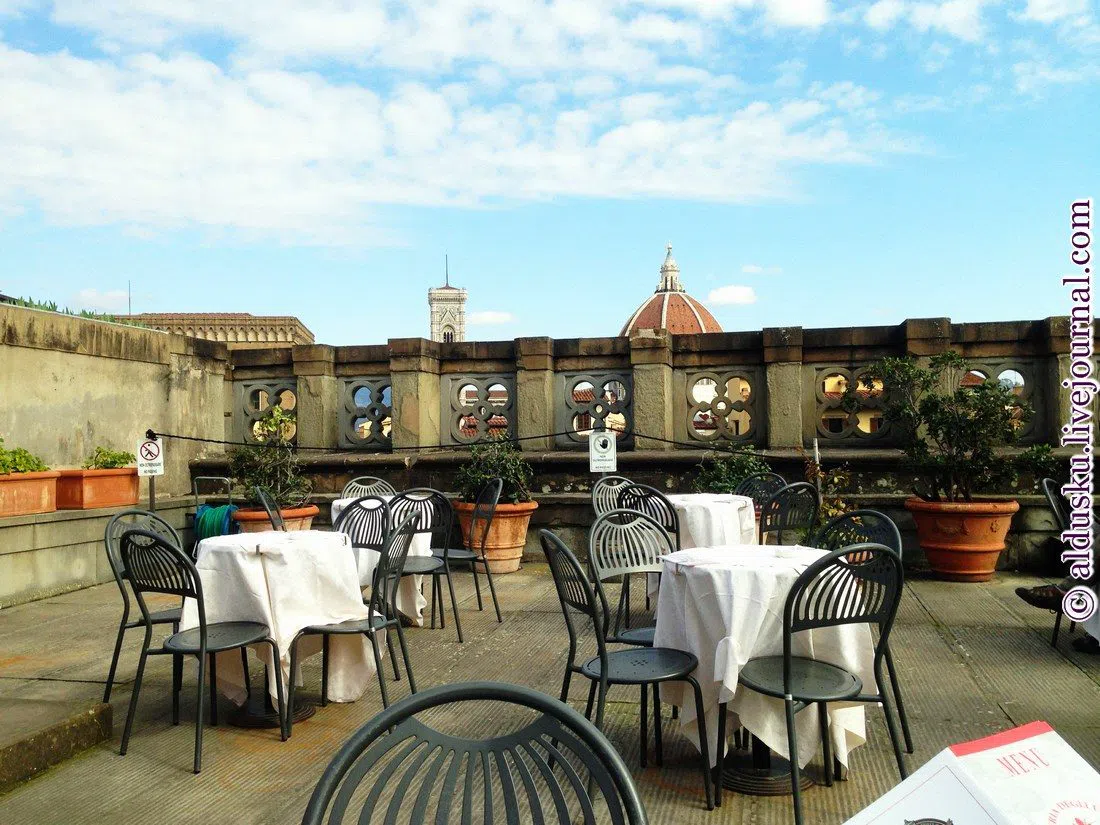
Most visits come apart halfway through, when the legs go and the last hour turns into a march. The remedy is already inside the ticket. Caffetteria degli Uffizi (top floor, above the loggia on Piazza della Signoria) sits within the ticketed route, and its terrace looks across the square to the tower at close range. It is self-service, takes no bookings and has only a few dozen terrace seats. Coffee is a few euro, sandwiches, salads and lasagne run roughly 8 to 15 euro, and sitting at a table adds about 4 euro to the bill. Go at the middle of your visit rather than the end. Used as a break it buys you another hour of looking properly; saved as a finale it is a view you are too tired to enjoy.
Where to wait, and who holds the tickets
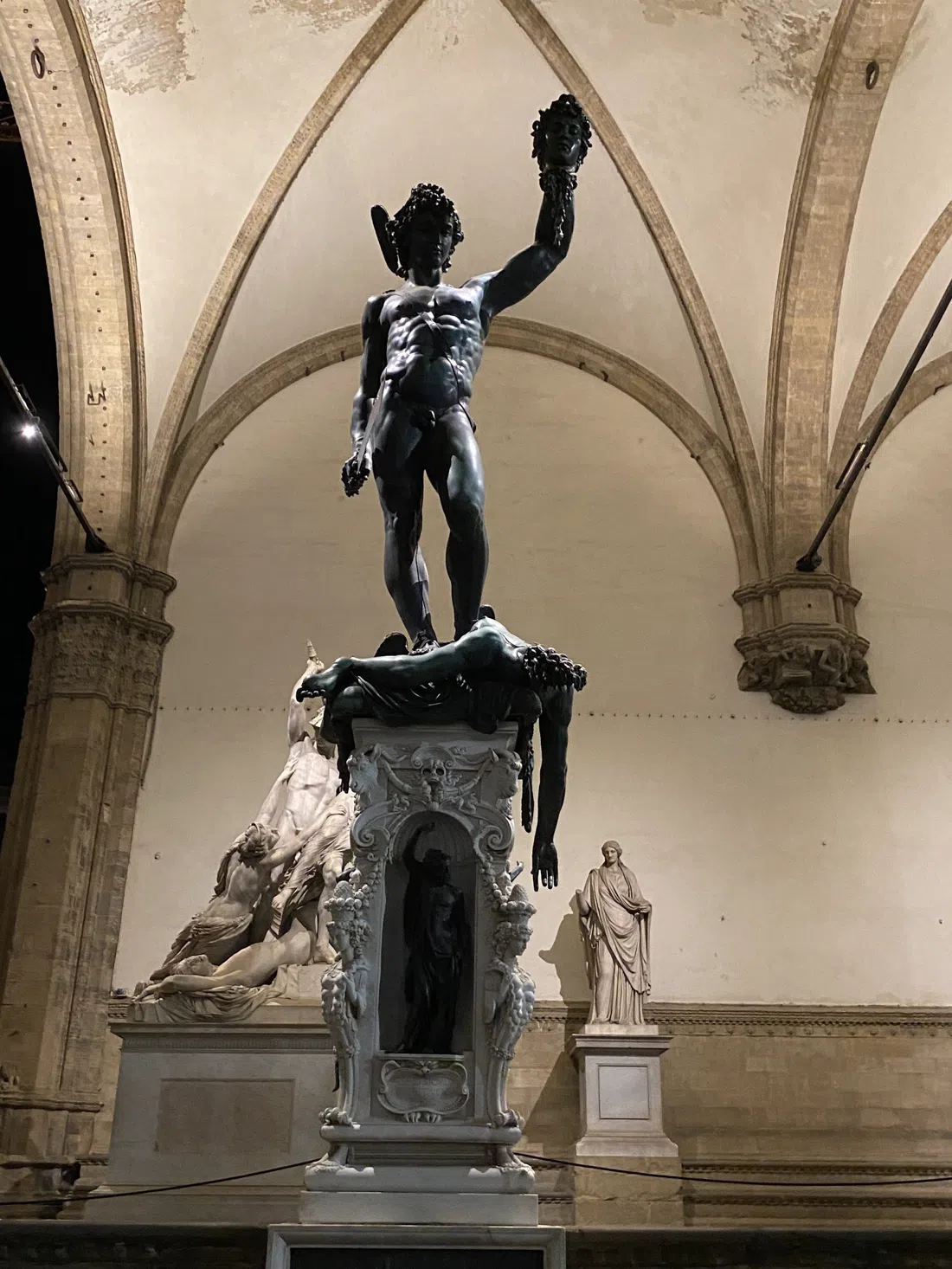
Loggia dei Lanzi (Piazza della Signoria, at the mouth of the Uffizi courtyard) is free, open to the square and full of sculpture you would queue for anywhere else. It is the sane meeting point: one person joins the entry line with the tickets, everyone else stands under the vaults out of the sun or the rain. It is busiest mid-morning, when guided groups stop here in sequence, and quietest after dark, when the lighting flattens the crowd and the statues do something entirely different.
Tickets at the door, tickets booked ahead
The pricing is slightly counterintuitive. A ticket bought on the day at the gallery is 25 euro; booking online in advance is 29 euro plus a booking fee. The extra four euro buys you a timed slot rather than a discount, and in practice that is the difference between walking in at your hour and standing in the courtyard for an unpredictable stretch of it.
Since 1 January 2026 there has also been an afternoon ticket for entry from 16:00 onwards: 16 euro on site, 20 euro online. With last entry at 17:30 and closing at 18:30 that gives you a short visit rather than a full one, but it is a good short visit. The building is emptying, the light through the west windows is low and warm, and 16 euro for ninety minutes with room to breathe is better value per minute than a crowded morning. It suits a second visit, or a first one where you accept you will only see part of it.
The first Sunday of the month is free. The tickets are issued at the counter, they are nominative and they are same-day only, so there is no booking your way around the queue. It is, predictably, the most crowded day of the month, and if your trip does not hinge on the saving, the 25 euro on a different day buys a considerably better experience.
Guided options are bookable ahead and are attached to this page separately. Across the bookable tours here there are 14,823 traveller reviews, with the leading one rated 4.7 out of 5 from 5,795 reviews, and prices start from about 80 USD per person. Some departures of that top tour are already fully sold out on 4 October 2026, 1 November 2026 and 6 December 2026; other dates are still bookable.
The group rules that catch people out
The gallery caps guided groups at 16 people including the guide, so anything sold as a small group here is small by the building's own rule rather than the seller's marketing. Any group over six must use whisper-system headsets, which is why the corridors are quieter than the visitor numbers suggest. Groups of 11 or more pay a 70-euro supplement on top of the tickets, worth knowing if you are organising for a family party or a set of friends, because splitting into two groups of ten can cost less than one group of twelve.
For couples and pairs, a guide is optional. For anyone who wants the paintings placed in an argument rather than a checklist, it is money well spent, and the headset means you are not straining to hear over three other groups in the same room.
Through the corridor and out the other side
Corridoio Vasariano (running from the gallery across the river into the Oltrarno) reopened after nearly a decade shut, and it is the addition to an Uffizi visit worth planning around: a raised private passage that leaves the gallery, crosses above Ponte Vecchio (Piazza del Pesce, the goldsmiths' row between the centro storico and the Oltrarno) and comes down on the far bank. Entry is timed and the caps are tight. Your Uffizi entry must be booked two hours before your corridor slot, so the two are one planned sequence rather than two separate decisions. Combined Uffizi and Corridor tickets run 43 to 47 euro; the Friday special openings are 20 euro same-day or 24 euro pre-booked. The corridor is open Tuesday to Sunday, 10:15 to 16:35, plus Friday evenings from 19:00 to 23:00 through 20 November 2026. A warm Friday evening up there, with the river going dark underneath, is the version to aim for.
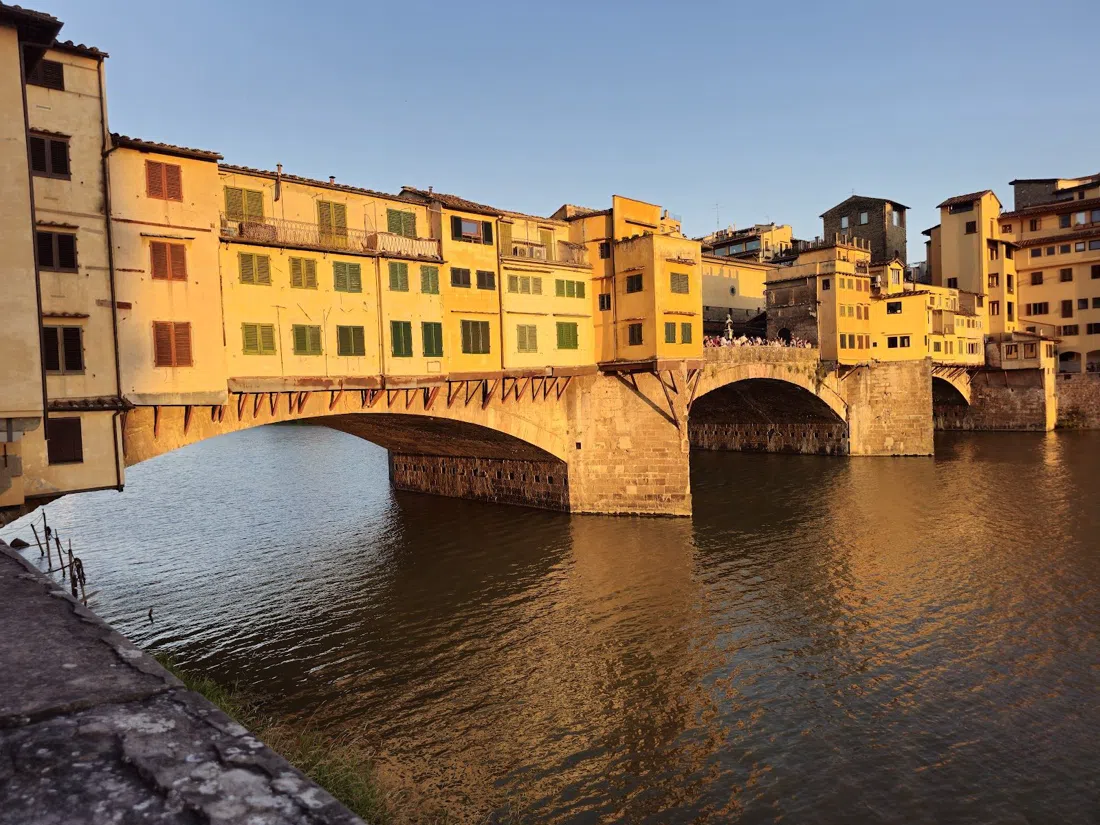
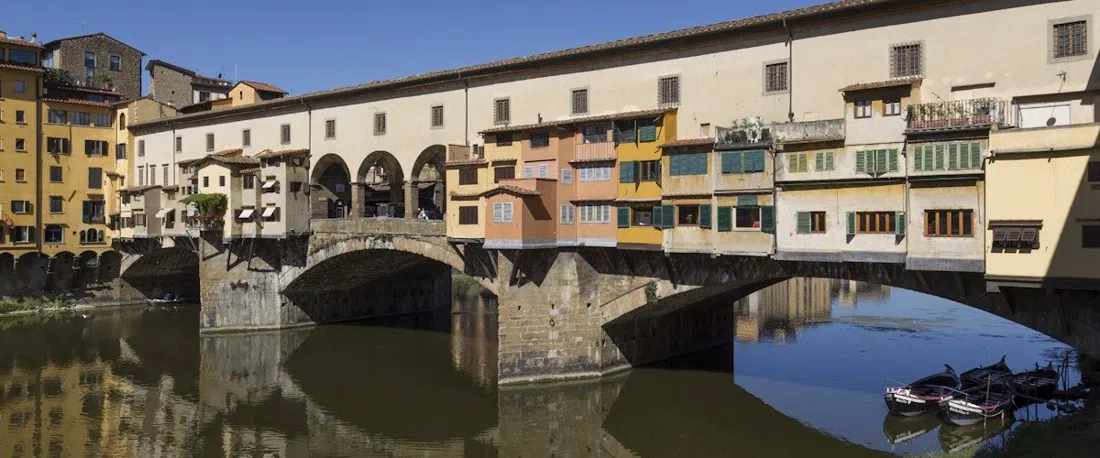
Cross the bridge on foot at some point too. First light or after dark are the only hours it is pleasant; between them it is shoulder-to-shoulder, and the jewellers' windows are the only thing anyone can see. From below, on the bank, the corridor finally reads as a structure rather than a line on a map.
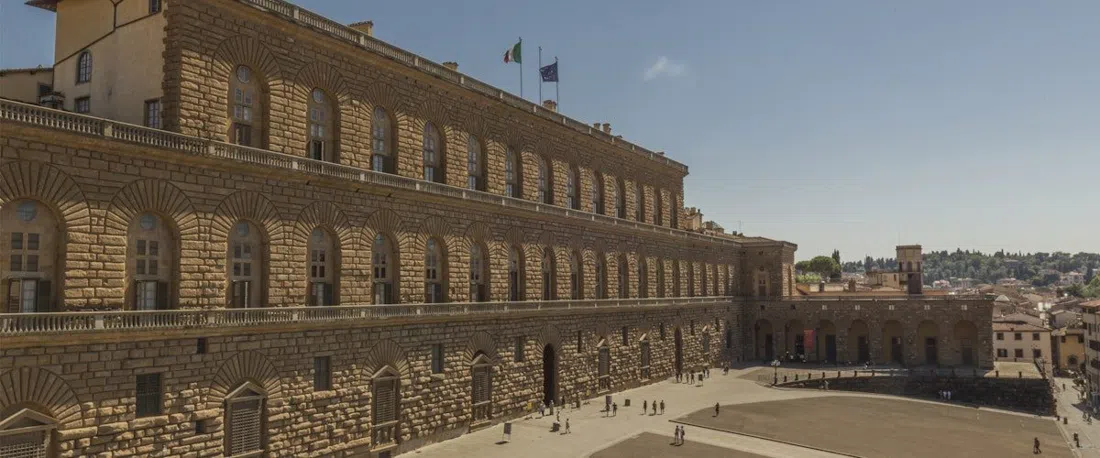
Palazzo Pitti & Giardino di Boboli (Oltrarno, at the far end of the corridor's run) belongs to the same institution and is reliably calmer than the Uffizi. Pitti is 16 euro same-day or 19 pre-booked; Boboli is 10 or 13, and 15 at the ticket office on the day; together they are 22 or 25. If you have more than one museum day, the five-day all-museums ticket at 40 euro, or 58 including the Vasari Corridor, is the honest value play. Garden groups are capped at a more generous 28 people, and reservations are mandatory for the Royal Apartments combinations.
When the gallery is heaving
There are four good escapes within a few minutes' walk, and all of them are worth visiting in their own right.
Museo Galileo (Piazza dei Giudici, on the riverside) is literally next door: 9 euro adult, 5.50 concession and for groups of 15 or more, 4.50 for schools, free under six. It opens 09:30 to 18:00 and closes early at 13:00 on Tuesdays, and it is the only museum near the Uffizi open on a Monday, which makes it the natural Monday plan when the gallery is shut.
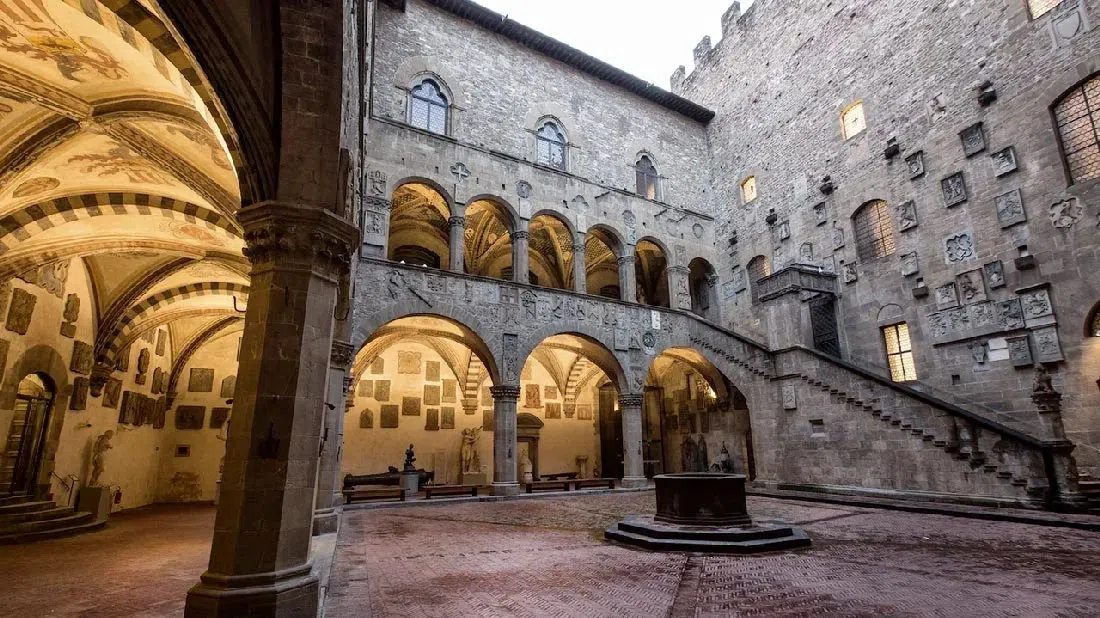
Museo Nazionale del Bargello (five minutes east, by Piazza San Firenze) is 12 euro and has far more room to move than the Uffizi, so a guided visit works here. Watch the closure pattern: Tuesday to Sunday 08:15 to 18:50, but shut on the second and fourth Sunday of each month.
Museo di Palazzo Vecchio & Torre di Arnolfo (Piazza della Signoria, thirty seconds from the Uffizi exit) is the obvious pairing, because the tower gives you the close rooftop view the gallery does not. The museum is 18 euro, 12 for 18 to 25s; the tower and rampart walkway are 20 euro, 13 reduced, free for under-18s, and under-6s are not allowed up. The site is cashless, timed booking is recommended for the tower, and both museum and tower close early at 14:00 on Thursdays.
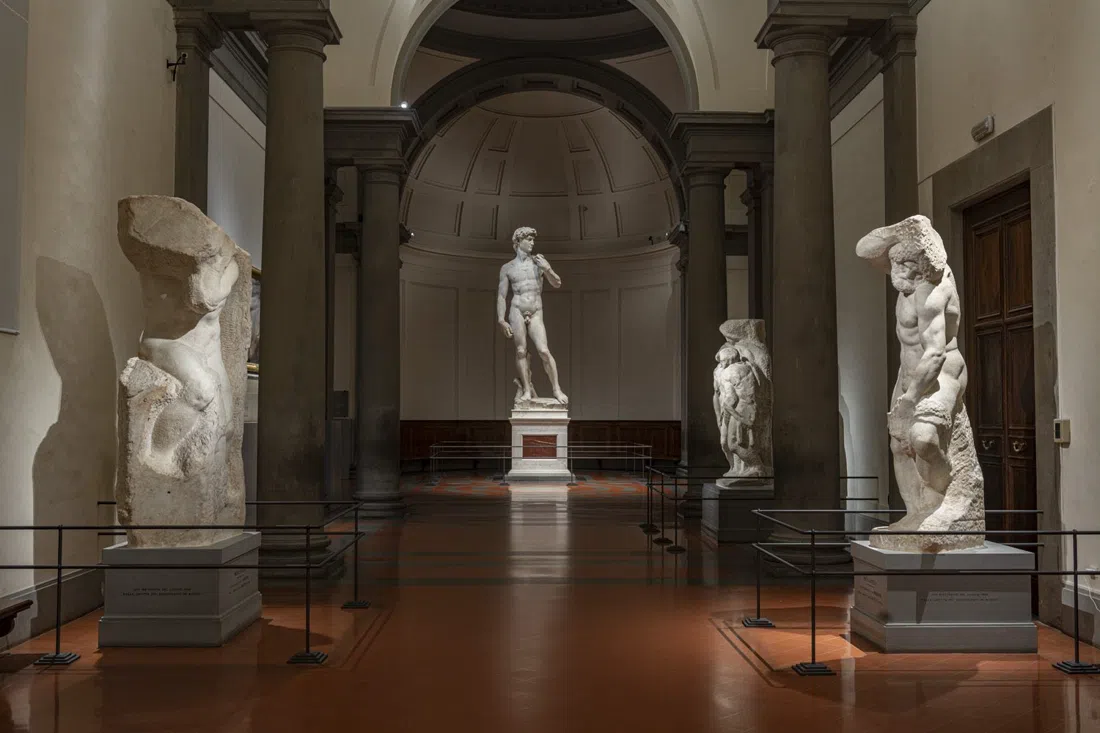
Galleria dell'Accademia di Firenze (San Marco, a ten-minute walk north) is the other must-book ticket: 16 euro at the door subject to availability, 20 pre-booked plus a 4-euro reservation fee, free for under-18s with ID, and 26 euro for a 48-hour combined ticket with the Bargello. It opens Tuesday to Sunday 08:15 to 18:50. Book it for a different half-day from the Uffizi. Stacking both into one morning is how people end up remembering neither.
Eating within five minutes of the exit
All'Antico Vinaio (Via dei Neri, three minutes from the exit towards Santa Croce) is the default when the morning has gone on art. Around 8 to 10 euro buys a schiacciata big enough for two; it is takeaway in practice, several adjacent shopfronts run parallel queues, and you can order online ahead. The queue everyone joins is usually not the shortest one on the street.

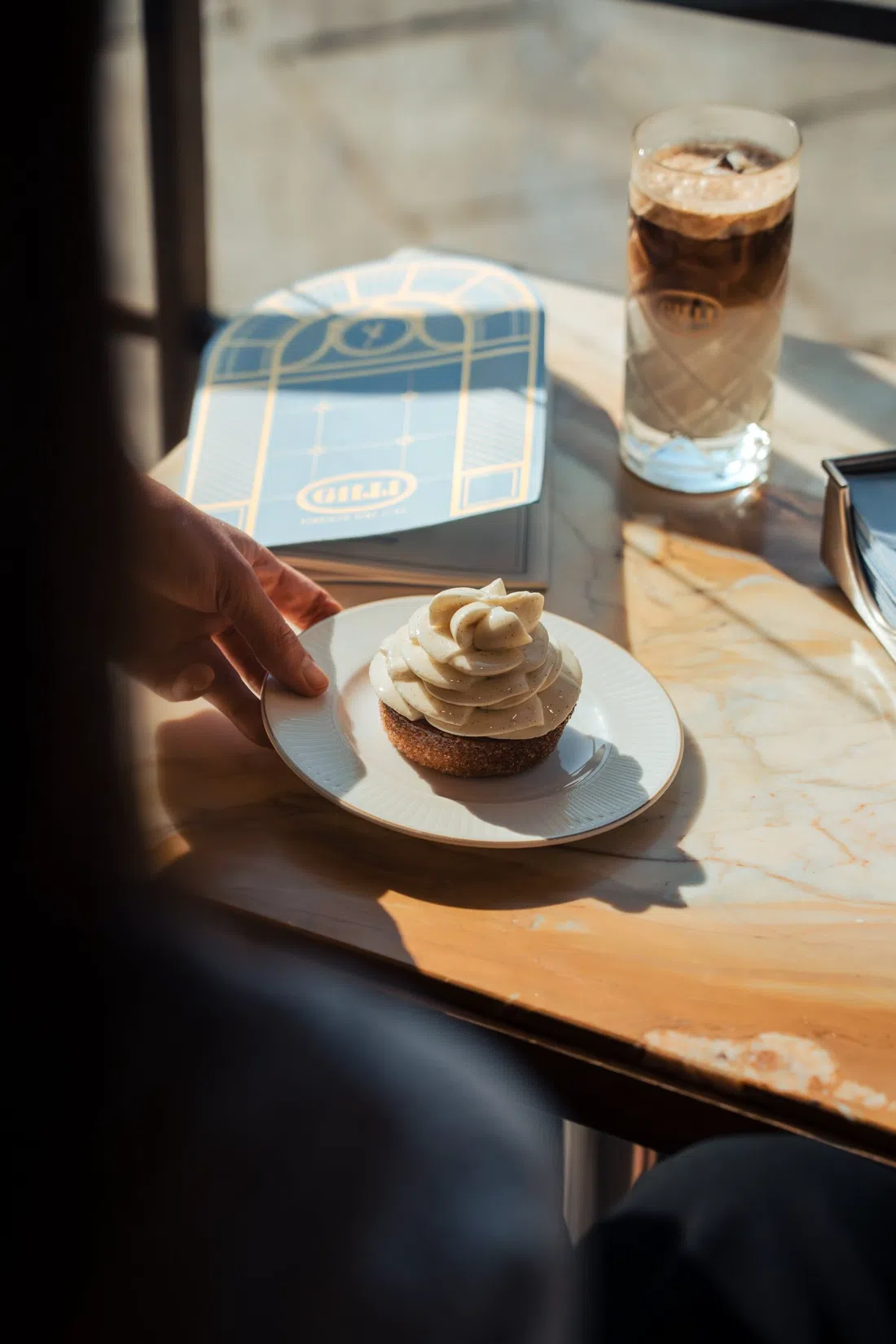
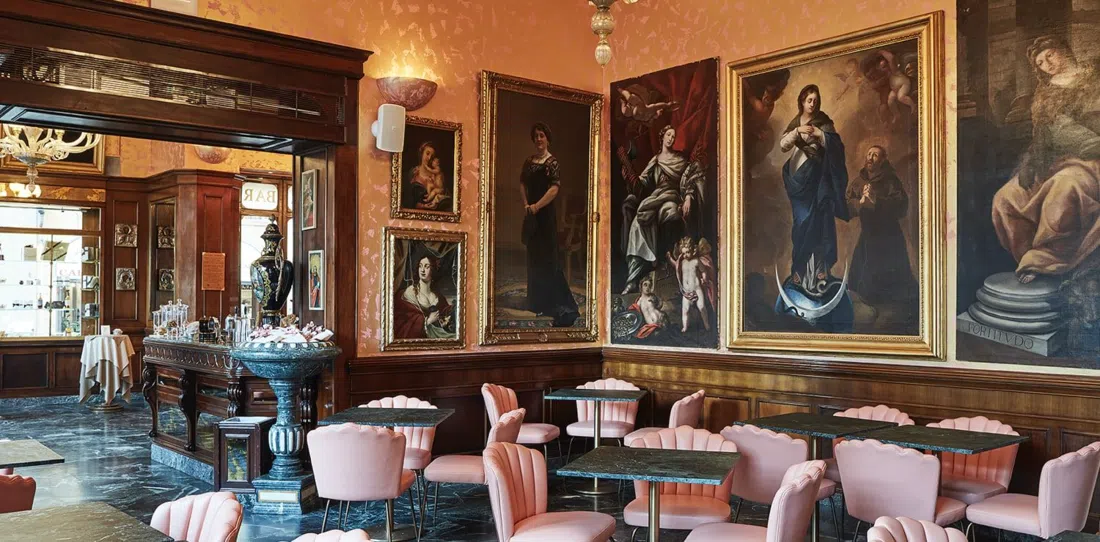
Caffè Gilli (Piazza della Repubblica, five minutes north) has been trading since 1733 and is the sensible breakfast before an early slot: cheap standing at the bar, several times the price at a table. Counter service is fast and handles a group; the table-service side is small, so a large party should split.
Caffè Rivoire (Piazza della Signoria) reopened in late March 2026 after a heritage-approved refit and runs 08:00 to 22:00 daily. Terrace seating is dense and waiter-served, square-side tables carry a premium, and the hot chocolate is the thing to order in cold months. Small groups are fine; large parties should call ahead.
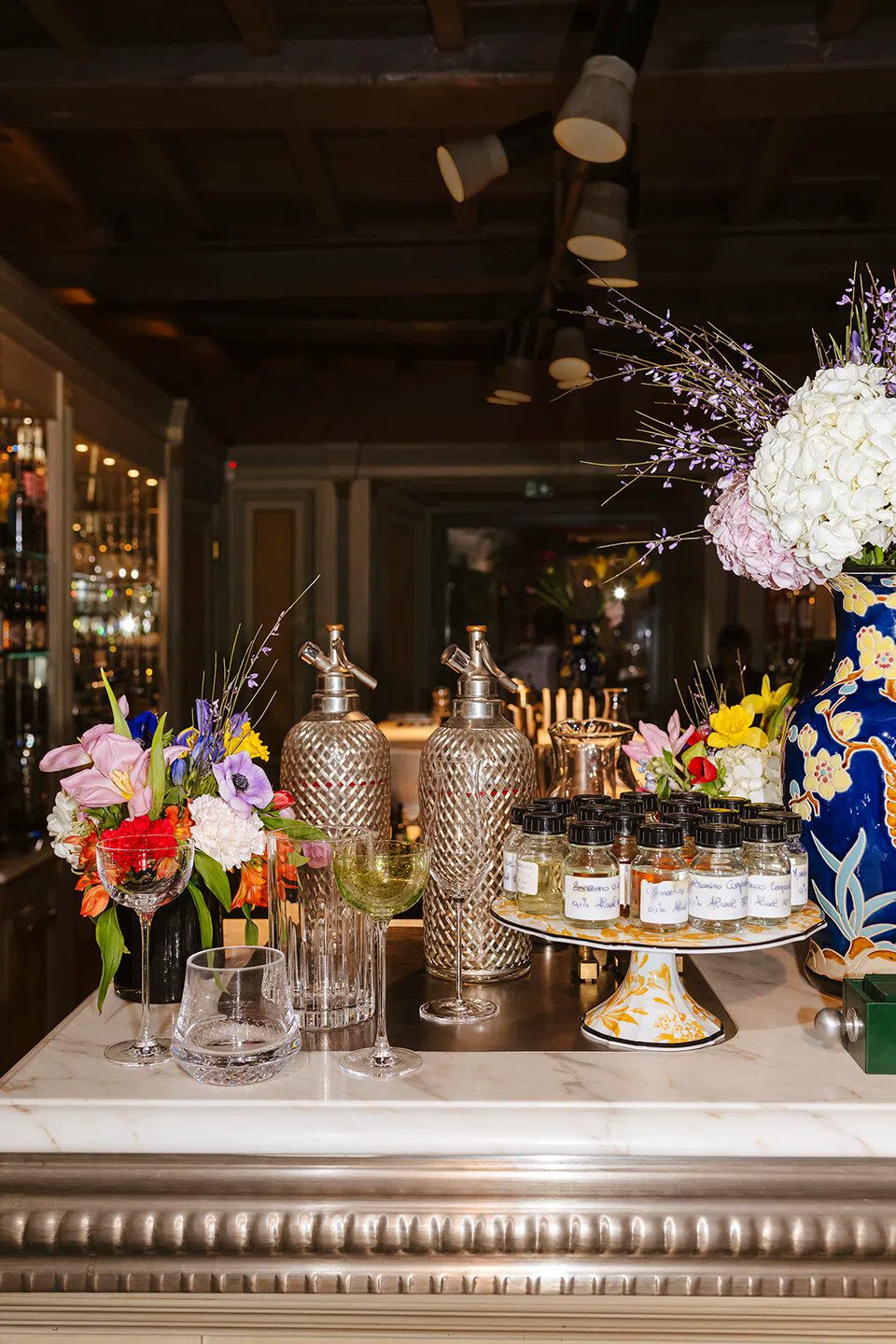
Gucci Giardino 25 (Piazza della Signoria, two minutes from the courtyard) is a small, serious cocktail bar named in Europe's 50 Best Bars 2026. Prices are high-end Florence. It suits pairs and fours, fills from aperitivo hour, and larger groups should reserve. Go if you want one good drink to close the day rather than a meal.
Best time to go
By season: late January to early March is the quiet window, cold and bright, with the first corridor empty at opening. November is similar, wetter, and has the advantage of the Friday corridor evenings until the 20th. April to June and September to October are the pressure months. August is hot and busy at once, and the climate-control works mean some rooms are less comfortable than others.
By day: midweek beats weekends, and Tuesday morning is the best single slot because Monday's closure pushes the backlog to later in the week rather than to the first hour after it. Avoid the free first Sunday unless the saving is the point. Remember the Thursday 14:00 close at Palazzo Vecchio if you are pairing them.
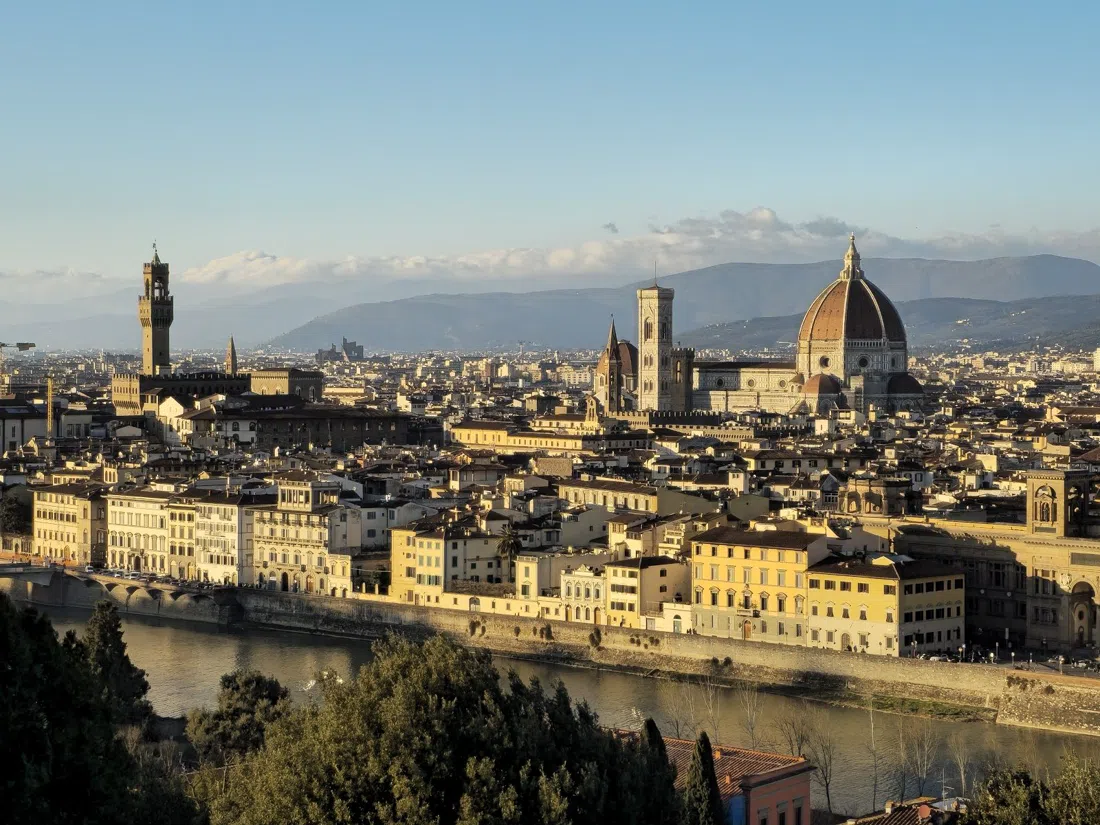
By hour: the 08:15 opening and the 16:00 afternoon ticket are the two good windows. Between roughly 10:30 and 15:00 the building is at its fullest, and the Botticelli rooms are where you will feel it. For the wider picture, walk or take bus 12 or 13 up to Piazzale Michelangelo (the Oltrarno hillside, about twenty minutes on foot) early in the morning rather than at sunset, when the coaches arrive in sequence. From up there you can pick out the gallery's roofline, the corridor crossing the bridge and Palazzo Pitti beyond, the whole system laid out as one object.
Is it worth it
Yes, with a condition. The Uffizi is worth it if you go at one of the two quiet hours, book a slot, and accept you are seeing a portion of a very large collection rather than all of it. It is not worth it as a midday walk-in on a Saturday in June, when you will pay 25 euro to shuffle past pictures you cannot stand in front of.
It suits anyone with a real interest in the Renaissance, and anyone who likes buildings, since the Vasari architecture is half the pleasure. Couples do well here, especially on an afternoon ticket. Families with restless children do better at Palazzo Vecchio's tower or Museo Galileo first, then a short Uffizi run. Larger groups should read the cap and supplement rules before booking anything, and should consider the Bargello, where guided visits are simply more pleasant. If you have one museum morning in the city and want the least crowded serious art, the Bargello or Pitti will give you more room; if you want the pictures that define the period, this is where they are.
Practical notes
Everything in this article except Piazzale Michelangelo is within a fifteen-minute walk of the Uffizi courtyard, and most of it is within five. The historic centre is largely pedestrian and cobbled, so wear shoes you can stand in for four hours. For Piazzale Michelangelo take bus 12 or 13, or walk it in about twenty minutes uphill.
Cards work almost everywhere and Palazzo Vecchio is entirely cashless, but carry some cash for bar coffees and the sandwich counters. Standing at the bar always costs less than sitting.
Budget, for one adult on a single museum day: 29 euro for a pre-booked Uffizi entry plus fee, around 10 euro for lunch at the sandwich counter, a few euro for coffee at the rooftop terrace, and 20 euro if you add the tower. Two museum days or more and the five-day all-museums ticket at 40 euro pays for itself quickly. Book the Uffizi and the Accademia before you travel; leave the Bargello, Museo Galileo and Palazzo Vecchio as day-of decisions.
Stay within the centro storico or just across the river in the Oltrarno if you want the 08:15 opening to be realistic. Start the Florence hotel search with that ten-minute walking radius in mind, and read the wider Florence guide for how the rest of the city fits around a museum day.